
How to Create a Beautiful Wildlife Habitat in Your Phoenix Backyard Garden
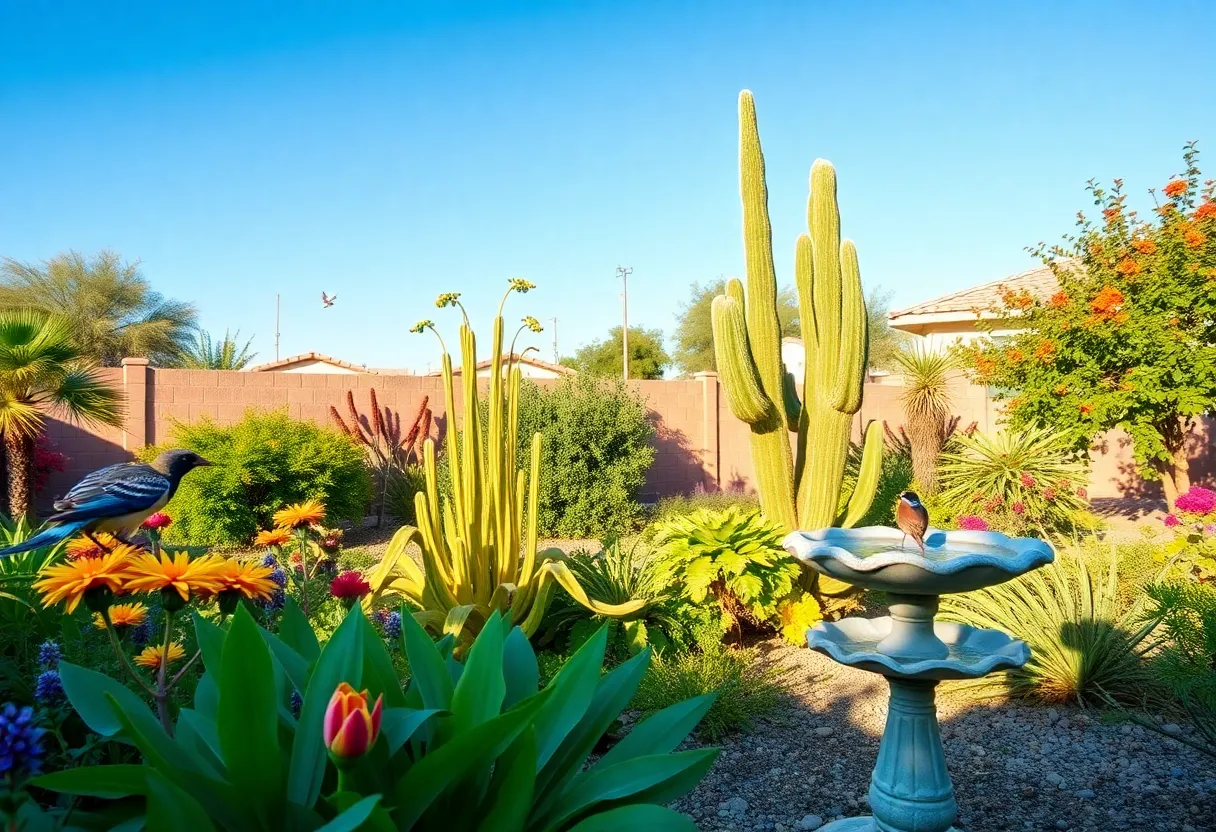
Transforming your Phoenix backyard into a thriving wildlife habitat offers numerous ecological and aesthetic benefits. This process supports native flora and fauna, enhances biodiversity, and creates an engaging outdoor space. By strategically selecting native plants, providing essential water sources, designing shelter options, and adopting sustainable practices, you build a resilient and vibrant ecosystem right in your own yard. The following guidelines deliver essential insights and actionable steps tailored for Phoenix, Arizona.
Understanding the Local Ecosystem: The Foundation for Success
Before initiating any landscaping projects, delve into the unique characteristics of the Sonoran Desert, which encompasses Phoenix. Recognizing native plant and animal species, their behaviors, and habitat requirements is fundamental. Native plants are specifically adapted to endure high temperatures, low rainfall, and poor soils. They form the backbone of a successful wildlife habitat, supporting pollinators, birds, reptiles, and beneficial insects.
Selecting Native Plants: The Core of a Sustainable Habitat
Choosing native vegetation is integral for establishing a resilient, water-efficient, and ecologically beneficial garden. Native plants offer food, shelter, and nesting sites tailored to local wildlife, reducing the need for supplemental watering and maintenance.
- Desert Marigold (Baileya multiradiata): Bright yellow flowers that attract pollinators and butterflies.
- Penstemon (Penstemon spp.): Tubular flowers favored by hummingbirds and bees.
- Desert Willow (Chilopsis linearis): Pink to lavender blooms supporting bees, hummingbirds, and butterflies.
- Ocotillo (Fouquieria splendens): Spiny stems adorned with red flowers attracting hummingbirds.
- Agave (Agave spp.): Succulents providing nectar and habitat for insects and small mammals.
These plants establish a low-maintenance, drought-tolerant landscape that seamlessly integrates with local conditions.
Providing Water: Central to Wildlife Survival
In an arid environment like Phoenix, water sources are vital for attracting and supporting local wildlife. Properly designed water features must prioritize safety and accessibility. Options include:
- Birdbaths with shallow, sloped surfaces for safe bathing.
- Fountains that produce gentle movement and sound to attract animals.
- Small Ponds with minimal depth, providing habitat for aquatic insects, amphibians, and birds.
Ensure water is refilled regularly, cleaned to prevent mosquito breeding, and located where wildlife feels safe and undisturbed.
Designing Shelter and Nesting Sites: Enhancing Habitat Complexity
Wildlife requires shelter for protection, rearing young, and resting. Creating diverse shelter options encourages a variety of species to thrive.
- Rock Piles: Discrete hiding spots for reptiles, insects, and amphibians that seek shelter from extreme temperatures.
- Brush Piles: Dense thickets that serve as nesting and shelter sites for small birds and mammals.
- Native Trees and Shrubs: Provide canopy cover, nesting sites, and perches for birds and insects.
- Bee Hotels: Enclosed cavities designed for solitary bees, which are vital pollinators.
Varying the structure sizes and types encourages a broader range of species to establish themselves.
Reducing Pesticide Use: Protecting Beneficial Organisms
Minimize the use of chemical pesticides and herbicides. These substances can disrupt local food chains and harm non-target species such as bees, butterflies, and birds. Instead, adopt integrated pest management (IPM) practices, which involve monitoring pest populations and employing organic or biological controls when necessary. Naturally encouraging beneficial insects helps maintain pest control without ecological harm.
Incorporating Mulch and Soil Enrichment
Applying organic mulch around plants offers multiple ecological benefits:
- Retains soil moisture and reduces evaporation.
- Suppresses weed growth, decreasing competition for resources.
- Regulates soil temperature, protecting roots from extreme heat.
- Enriches soil as it decomposes, supporting healthier plants and soil organisms.
Use natural materials such as wood chips, straw, or shredded bark for best results.
Creating Microhabitats: Enhancing Biodiversity
Diverse microhabitats support a wide range of species, increasing your garden’s ecological richness. Strategies include:
- Planting different layers of vegetation — from ground covers to tall shrubs.
- Introducing small water features or shaded areas to attract species specific to those conditions.
- Utilizing rock arrangements and native plant clusters to offer shelter and foraging grounds.
Each microhabitat addresses specific needs of local wildlife, promoting a balanced and resilient ecosystem.
Community Engagement and Education
Participating in local conservation or urban wildlife programs can expand your understanding and impact. Sharing your garden’s progress encourages community awareness and support for native habitat restoration. Engaging in citizen science projects can offer valuable data on species presence and behaviors, further informing your habitat strategies.
Monitoring and Adaptive Management
Regular observation is essential for assessing your habitat’s success. Track which species visit and how they utilize your garden. Use this information to adjust plant selections, water features, or shelter options. Adaptive management ensures your habitat remains vibrant and functional over time.
Patience and Persistence
Wildlife naturally takes time to discover and occupy a new habitat. Consistent, thoughtful effort yields lasting results. Nurture your garden through seasons and observe the gradual increase in biodiversity. Your perseverance transforms a simple yard into a thriving ecological sanctuary.
Summary and Final Recommendations
Building a wildlife-friendly garden in Phoenix requires deliberate plant choices, sustainable water and shelter design, and mindful management practices. The integration of native plants—such as desert marigold, penstemon, desert willow, ocotillo, and agave—is essential. Installing appropriate water sources and shelter fosters a welcoming environment. Limiting chemical controls preserves beneficial species, while microhabitats increase biodiversity. Over time, patience and careful observation will reward you with a garden teeming with native wildlife.
Conclusion
A thoughtfully designed wildlife habitat enriches your outdoor space, contributes to local conservation, and supports the fragile desert ecosystem. By adhering to ecological principles, selecting native plants, and creating sustainable features, you foster a thriving environment that benefits both wildlife and homeowners alike. Every effort counts toward restoring ecological balance and enjoying the beauty of nature in your own backyard.
FAQs
What are the most essential native plants for Phoenix wildlife habitats?
Native plants such as desert marigold, penstemon, desert willow, ocotillo, and agave are foundational. They provide critical food and shelter for local pollinators, birds, and insects.
How much water should I provide to attract wildlife?
Provide shallow, clean water sources—like birdbaths or small ponds—that are refilled regularly. Ensure safe access and avoid stagnant water to prevent mosquito breeding.
Can I use pesticides in a wildlife habitat garden?
No. Minimize or eliminate pesticide use to protect beneficial insects and other wildlife. Use integrated pest management practices instead.
What shelter options are best suited for Phoenix’s climate?
Use rock and brush piles, native trees, and bee hotels. These create safe hiding, nesting, and roosting sites adapted for desert conditions.
How long does it take to see wildlife in my garden?
Wildlife typically begins to visit after several months, but it can take years for a full, stable ecosystem to establish. Consistent, mindful care accelerates this process.
Key Features of a Phoenix Wildlife Habitat
| Feature | Description | Benefit |
|---|---|---|
| Native Plant Selection | Use desert-adapted species such as desert marigold, ocotillo, and desert willow. | Supports local wildlife; requires less water and maintenance. |
| Water Features | Shallow birdbaths, fountains, small ponds. | Provides essential hydration; attracts birds and amphibians. |
| Shelter Structures | Rock piles, brush heaps, bee hotels, native trees. | Creates safe spaces for nesting, shelter, and foraging. |
| Pesticide-Free Management | Use organic methods and monitor pest levels. | Protects beneficial insects and overall ecosystem health. |
| Microhabitats | Diverse layers of vegetation and water features. | Encourages a wide range of species, increasing biodiversity. |

Author: STAFF HERE PHOENIX WRITER
The PHOENIX STAFF WRITER represents the experienced team at HEREPhoenix.com, your go-to source for actionable local news and information in Phoenix, Maricopa County, and beyond. Specializing in "news you can use," we cover essential topics like product reviews for personal and business needs, local business directories, politics, real estate trends, neighborhood insights, and state news affecting the area—with deep expertise drawn from years of dedicated reporting and strong community input, including local press releases and business updates. We deliver top reporting on high-value events such as the Waste Management Phoenix Open, Cactus League Spring Training, and Arizona State Fair. Our coverage extends to key organizations like the Greater Phoenix Chamber of Commerce and Visit Phoenix, plus leading businesses in technology and healthcare that power the local economy such as Intel and Banner Health. As part of the broader HERE network, including HERETucson.com, we provide comprehensive, credible insights into Arizona's dynamic landscape.