

News Summary
The University of Arizona has created a Surplus Storefront that transforms excess university assets into valuable resources for students and the community. This initiative promotes sustainability by reducing waste and making essential items more affordable. It serves as a prime example of responsible stewardship while supporting campus operations and enhancing community ties. The Surplus Storefront not only offers a diverse inventory of goods but also demonstrates how effective surplus management can contribute to institutional excellence and environmental goals.
Phoenix, AZ — In the dynamic landscape of Arizona’s higher education, institutions continually seek innovative ways to maximize resources, support campus operations, and foster a sense of community. The University of Arizona, a cornerstone of academic excellence in the state, has quietly cultivated a remarkable initiative that embodies these principles: its Surplus Storefront. This often-overlooked operation transforms excess university assets into accessible and affordable resources, demonstrating a commitment to responsible stewardship, economic efficiency, and practical sustainability within the broader Phoenix and Arizona educational ecosystem.
Far more than just a place to find used goods, the Surplus Storefront represents a tangible example of institutional discipline and innovative problem-solving. It’s a mechanism through which the university not only recoups value from items no longer needed but also provides valuable materials to campus departments, students, and the wider public at a fraction of their original cost. This model reinforces the idea that resourceful management can directly contribute to academic and operational success, creating a positive ripple effect throughout the university community and beyond.
The Purpose and Practicality of Surplus Management
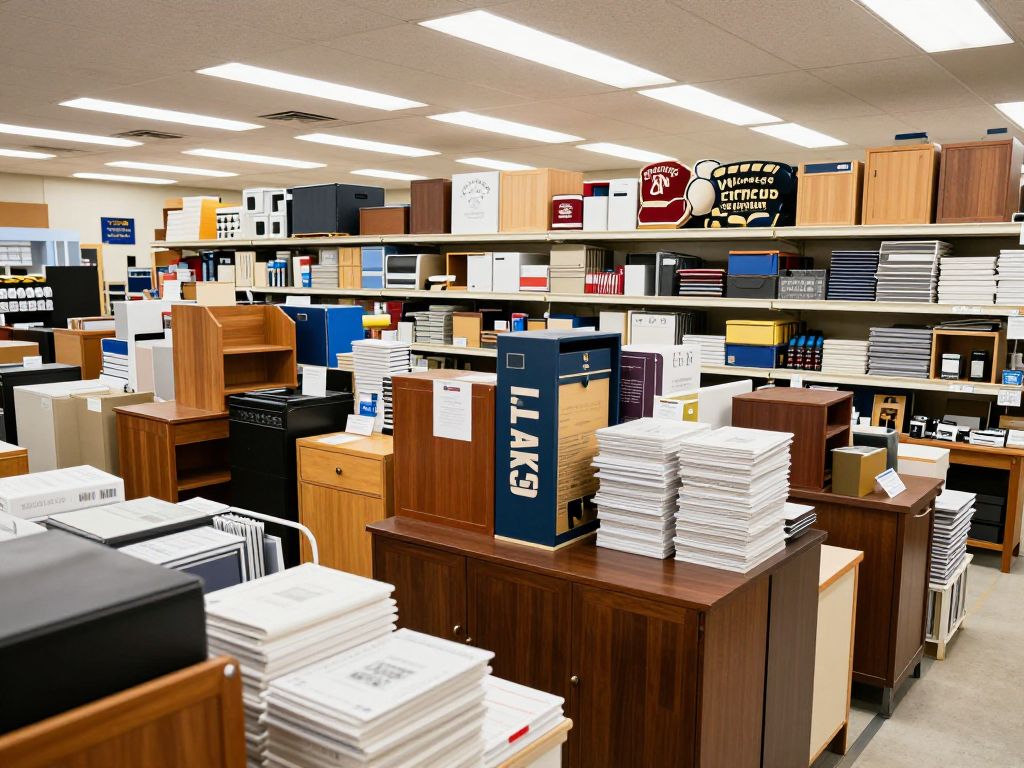
The University of Arizona’s Surplus Storefront serves as the central hub for managing the university’s excess property. Its primary function is to collect, process, and redistribute items that are no longer actively used by various university departments. This systematic approach ensures that valuable resources do not go to waste. Instead, they are given a second life, supporting continued operations and initiatives across campus. The store makes items available as affordable resources for campus and the community.
The items range broadly, from everyday office supplies and furniture to specialized scientific equipment and even unique university-branded apparel. The inventory can even include unusual finds like replicas of spacecraft. This diverse collection highlights the sheer volume and variety of assets managed by a large research institution, underscoring the necessity of an efficient surplus program. By handling this extensive array of goods, the Surplus Storefront plays a critical role in maintaining the operational fluidity and financial health of the university.
A Model for Sustainability and Resourcefulness
One of the most significant impacts of the Surplus Storefront is its contribution to sustainability. By repurposing and reselling items, the university significantly reduces waste sent to landfills. This commitment aligns with broader environmental stewardship goals, showcasing how practical asset management can support ecological responsibility. The emphasis on reuse and recycling minimizes the environmental footprint of university operations, reflecting a forward-thinking approach to resource consumption.
Furthermore, the storefront’s operations demonstrate robust resourcefulness. Each item processed through the surplus program represents an opportunity to recover value and avoid new purchases. This judicious use of existing assets instills a culture of efficiency and thoughtful consumption within the university. It teaches the principle of making the most of what is available, a valuable lesson in both academic and personal responsibility.
Empowering Campus and Community Through Affordability
The economic benefits of the Surplus Storefront extend directly to both the campus community and the public. By offering items at significantly reduced prices, the storefront makes essential resources accessible to a wider audience. University departments can acquire needed equipment or furnishings without expending large portions of their budgets on new purchases, allowing funds to be reallocated to research, teaching, or student programs. This financial efficiency supports the academic mission by freeing up resources for core educational endeavors.
For students, faculty, and staff, the storefront provides an affordable avenue to obtain items ranging from office essentials to unique university memorabilia. The concept of converting surplus items into affordable resources for campus is central to its mission. This accessibility also extends to the local Phoenix and Arizona communities, who can benefit from purchasing high-quality items at budget-friendly prices. This outreach strengthens the bond between the university and its surrounding community, fostering a sense of shared resourcefulness and mutual benefit.
Fostering Leadership and Responsible Stewardship
The operation of the Surplus Storefront exemplifies key leadership principles and a strong sense of personal responsibility. The systematic management of surplus property requires discipline, organization, and a clear understanding of financial and environmental implications. The staff responsible for this initiative demonstrate leadership in efficient asset management, showcasing how a well-run program can deliver multifaceted benefits.
This initiative also promotes responsible stewardship of public and institutional funds. Every dollar saved through repurposing and reselling surplus items is a dollar that can be invested back into critical university functions, from cutting-edge research to student support services. This cycle of responsible management reinforces the university’s commitment to academic freedom and excellence, ensuring that resources are optimally deployed to achieve its educational mission.
A “Hidden Gem” in Arizona’s Higher Education Landscape
The University of Arizona’s Surplus Storefront has been aptly described as a “hidden gem” within the university system. While not always in the spotlight, its continuous operation and tangible benefits make it an invaluable part of the institution’s infrastructure. Similar to how Maricopa Community Colleges are recognized for providing accessible and affordable education options within Arizona, the Surplus Storefront provides accessible resources.
Its success is a testament to the idea that innovation doesn’t always come from grand new projects but can also be found in optimizing existing processes and resources. It underscores a fundamental truth in higher education: prudent management of all assets contributes directly to the overall strength and impact of the institution. It offers a practical example of how disciplined operations contribute to institutional excellence and community welfare.
Key Features of the University of Arizona Surplus Storefront
| Feature | Description |
|---|---|
| Purpose | Manages and redistributes the university’s excess property. |
| Inventory Scope | Diverse range, from office supplies and furniture to scientific equipment and branded apparel, including unique items like spacecraft replicas. |
| Benefits | Provides affordable resources for campus and community, reduces waste, supports sustainability, recoups value for the university. |
| Impact | Enhances institutional efficiency, promotes responsible stewardship, and supports economic accessibility for academic and community needs. |
The University of Arizona’s Surplus Storefront stands as a quiet but powerful testament to the institution’s commitment to innovation, responsible management, and community engagement. By transforming surplus items into valuable and affordable resources, it not only supports the university’s operational needs but also fosters a culture of sustainability and resourcefulness. This initiative serves as a shining example of how institutions in Phoenix and across Arizona can lead through practical application of discipline and thoughtful stewardship. We encourage readers to explore the various programs and initiatives at Arizona’s higher education institutions, as often the most impactful contributions are found in unexpected places. Stay updated on Phoenix AZ college news to discover more such examples of excellence and community impact.
Frequently Asked Questions About the University of Arizona Surplus Storefront
Q: What is the University of Arizona Surplus Storefront?
A: The University of Arizona Surplus Storefront is a facility that manages, processes, and redistributes items that are no longer needed by university departments, turning them into affordable resources for campus and the wider community.
Q: What kinds of items can be found at the Surplus Storefront?
A: The inventory is diverse, ranging from office supplies, furniture, and specialized scientific equipment to university-branded apparel and even unique items like replicas of spacecraft.
Q: How does the Surplus Storefront contribute to sustainability?
A: By repurposing and reselling items, the storefront significantly reduces the amount of waste sent to landfills, aligning with the university’s environmental stewardship goals and promoting reuse.
Q: Who can purchase items from the Surplus Storefront?
A: The Surplus Storefront provides affordable resources for campus departments, students, staff, and the general public, making items accessible to a broad audience.
Q: What is the broader impact of the Surplus Storefront on the university and community?
A: It contributes to financial efficiency by recouping value from assets, frees up university funds for core academic missions, strengthens community ties through affordable access to goods, and promotes responsible stewardship and resourcefulness.
Deeper Dive: News & Info About This Topic
HERE Resources

Author: STAFF HERE PHOENIX WRITER
The PHOENIX STAFF WRITER represents the experienced team at HEREPhoenix.com, your go-to source for actionable local news and information in Phoenix, Maricopa County, and beyond. Specializing in "news you can use," we cover essential topics like product reviews for personal and business needs, local business directories, politics, real estate trends, neighborhood insights, and state news affecting the area—with deep expertise drawn from years of dedicated reporting and strong community input, including local press releases and business updates. We deliver top reporting on high-value events such as the Waste Management Phoenix Open, Cactus League Spring Training, and Arizona State Fair. Our coverage extends to key organizations like the Greater Phoenix Chamber of Commerce and Visit Phoenix, plus leading businesses in technology and healthcare that power the local economy such as Intel and Banner Health. As part of the broader HERE network, including HERETucson.com, we provide comprehensive, credible insights into Arizona's dynamic landscape.