

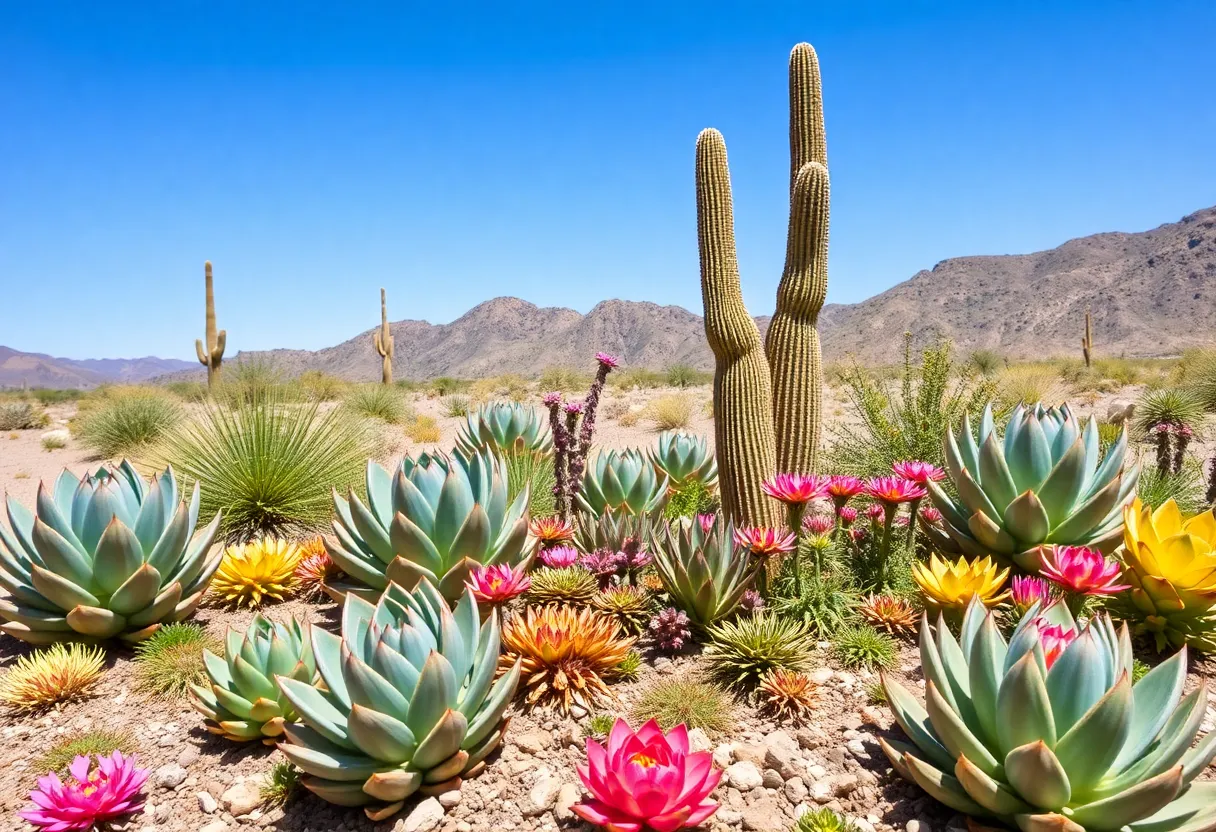
How to Grow a Thriving Succulent Garden in Phoenix’s Dry Climate
Phoenix’s desert environment presents unique horticultural challenges, primarily due to extreme temperatures and low rainfall. Suited to these conditions are succulents—plants renowned for their water-storing capabilities and adaptability. Properly understanding and catering to their specific needs can enable gardeners to create a robust and visually appealing succulent garden that withstands the harsh desert climate.
Understanding Phoenix’s Climate
Before engaging in succulent cultivation, it is essential to acknowledge the climatic conditions. Phoenix experiences some of the hottest summer temperatures in North America, often exceeding 110°F (43°C). Winters are generally mild, rarely dropping below freezing. Rainfall totals are minimal, typically less than 8 inches annually, and rainfall events tend to be sporadic and intense. These factors make water conservation critical and emphasize the need for plants adapted to arid environments.
Succulents have evolved in similar conditions, typically native to deserts and semi-desert regions across the world. Their anatomical features—thick, fleshy leaves or stems—allow them to store water efficiently. They also possess shallow root systems that rapidly absorb rainwater when available, and their waxy surfaces reduce moisture loss. These adaptations render succulents particularly suitable for Phoenix’s climate.
Selecting Suitable Succulent Varieties
The success of a thriving succulent garden depends on choosing species capable of enduring Phoenix’s intense heat and low humidity. The following species are highly recommended for their drought resistance and adaptability:
- Agave: Known for their sculptural form and resilience, agaves tolerate high temperatures and poor soils with ease. They require minimal watering once established.
- Aloe Vera: A durable succulent that thrives in full sun, aloe is both aesthetically appealing and offers medicinal benefits. It prefers well-draining soil and infrequent watering.
- Ocotillo: Recognizable by its tall, spiny stems that bloom vibrant flowers after rain, ocotillo adds vertical interest and attracts hummingbirds.
- Echeveria: Rosette-forming succulents that showcase wide color variations. They perform well in full sun and are low-maintenance.
- Sedum: An adaptable genus; some sedum species serve as ground cover, while others excel in rock gardens or containers. They tolerate drought and poor soils.
Planting Techniques
Correct planting practices are fundamental to success. The goal is to establish healthy root systems and ensure plants are well-suited to the arid conditions. Follow these targeted steps:
Soil Preparation
Drainage is paramount. Native soils are often heavy and retain moisture, which can lead to root rot. Amend soil with coarse sand, pumice, or perlite to achieve a well-draining medium. A ratio of approximately ⅔ inorganic components to ⅓ organic material provides an optimal balance.
Optimal Planting Time
Plant during early spring or fall. These periods avoid the extreme heat of summer and the cold snaps of winter, giving succulents a window for establishment under moderate conditions.
Spacing and Arrangement
Maintain adequate spacing between plants—generally at least a foot apart—to promote airflow and minimize disease risks. Grouping succulents with similar water and light needs enhances overall health and aesthetic coherence.
Post-Planting Watering
Immediately after planting, water lightly to settle soil around roots. Thereafter, allow the soil to completely dry out before watering again. This mimics natural desert infrequent rains and discourages overwatering.
Watering Practices
Overirrigation is a leading cause of succulent failure. Fine-tune watering routines as follows:
- In Frequency: During active growing seasons, water every two to three weeks, allowing soil to fully dry between sessions. During dormant winter months, reduce watering frequency further.
- Method: Apply water at the soil level, avoiding contact with leaves or stems. Use slow, deep watering to encourage deep root growth.
- Adjust Seasonally: Recognize that with decreasing temperatures and growth, succulents consume less water, requiring fewer watering sessions.
Sunlight and Temperature Management
Although succulents need abundant sun, direct exposure during the hottest parts of the day can cause sunburn or stress. Protective strategies include:
- Morning Sun: Ensure succulents receive strong light early in the day when temperatures are cooler.
- Afternoon Shade: Use shade cloths, or strategically plant taller species or structures to cast partial shade on delicate plants.
- Heat Management for Potted Plants: Move containers to shaded locations during peak afternoon hours, especially during heatwaves.
Soil and Container Considerations
Using containers enhances control over soil and watering, especially in designated garden beds or patios. When choosing pots:
- Drainage Holes: Ensure containers have adequate drainage to facilitate water runoff.
- Material: Terracotta and ceramic pots are porous, aiding moisture evaporation, whereas plastic retains moisture longer and may require adjusted watering schedules.
Fertilization
Succulents have minimal nutritional needs. Use a low-nitrogen, balanced fertilizer during active growth periods. Over-fertilizing encourages weak, leggy growth and diminishes drought tolerance.
Pest and Disease Management
Generally resistant, succulents can still fall prey to pests and diseases if improperly cared for:
- Mealybugs: White, cottony pests that can be eliminated with insecticidal soap or neem oil treatments.
- Root Rot: Results of overwatering or poor drainage. Promptly remove affected plants and replant in properly amended soil.
Seasonal Adjustments
As seasons change, modify care routines to sustain plant health:
- Summer: Increase watering as plants enter active growth, but always ensure soil dries completely between waterings.
- Winter: Cut back watering significantly. For potted succulents, consider moving indoors or providing frost protection, especially if temperatures approach freezing.
Conclusion
Growing a thriving succulent garden in Phoenix requires a strategic approach rooted in understanding their specific needs and environmental challenges. Select drought-tolerant species suited to extreme conditions, prepare well-draining soil, and implement precise watering and sunlight strategies. Regular observation and adjustments to care routines will foster healthy, resilient, and vibrant succulents that showcase the beauty of the desert landscape year-round.
Frequently Asked Questions
What are the best succulents for Phoenix’s dry climate?
Ideal varieties include Agave, Aloe Vera, Ocotillo, Echeveria, and Sedum. These plants are highly drought-tolerant and adapted to intense heat.
How often should I water succulents in Phoenix?
Water only when the soil is completely dry, roughly every two to three weeks during the growing season, and less frequently in winter. Always ensure proper drainage to prevent root rot.
What soil mix is best for succulents in Phoenix?
A well-draining mix comprising ⅔ inorganic materials (sand, pumice, perlite) and ⅓ organic matter is optimal to prevent water retention and promote healthy roots.
How can I protect succulents from the intense afternoon sun?
Position succulents to receive morning sunlight and use shade cloths or taller companion plants to shield them from the harsh midday heat, especially in summer.
How should I fertilize succulents in Phoenix?
Use a low-nitrogen, balanced fertilizer sparingly during active growth periods. Excess fertilizer can weaken plants and reduce drought tolerance.
Key Features of a Phoenix Succulent Garden
| Feature | Description |
|---|---|
| Climate Compatibility | Designed for extreme heat, low rain, and high sunlight exposure. |
| Plant Selection | Includes drought-resistant species like Agave, Aloe Vera, Echeveria, Ocotillo, and Sedum. |
| Soil Needs | Well-draining, inorganic-rich soil mix to prevent root rot. |
| Watering Schedule | Infrequent deep watering; primarily when soil is completely dry. |
| Sunlight Exposure | Partial shade during peak afternoon hours; full sun in the morning. |
| Fertilization | Minimal, low-nitrogen fertilizer during growth periods. |