
Creating a Thriving Shade Garden in Phoenix’s Intense Sunlight:Strategic Planning and Plant Selection
Introduction
Growing a lush, sustainable shade garden in Phoenix’s extreme desert climate demands meticulous planning. The city’s *intense sunlight*, *high temperatures*, and *minimal rainfall* pose unique challenges. However, with careful selection of native and drought-resistant plants, along with proper water management, it is possible to cultivate an oasis of greenery that thrives despite the harsh environment.
Understanding Phoenix’s Climate and Its Impact on Gardening
Extreme Temperatures
Summers in Phoenix frequently exceed 100°F (38°C). Such high temperatures can quickly stress plants not adapted to arid conditions. Heat causes rapid evaporation of moisture, leading to dehydration if plants are improperly selected or cared for.
Limited Rainfall
The city receives just over one inch of rain during its wettest months, making natural soil moisture scarce. Persistent drought conditions necessitate efficient irrigation, drought-resistant plant choices, and soil amendments to establish a thriving garden.
Soil Conditions
Desert soils tend to be sandy and low in organic matter, which complicates water retention. Soil amendments and mulching are essential to improve fertility and conserve moisture.
Selecting Appropriate Shade Trees
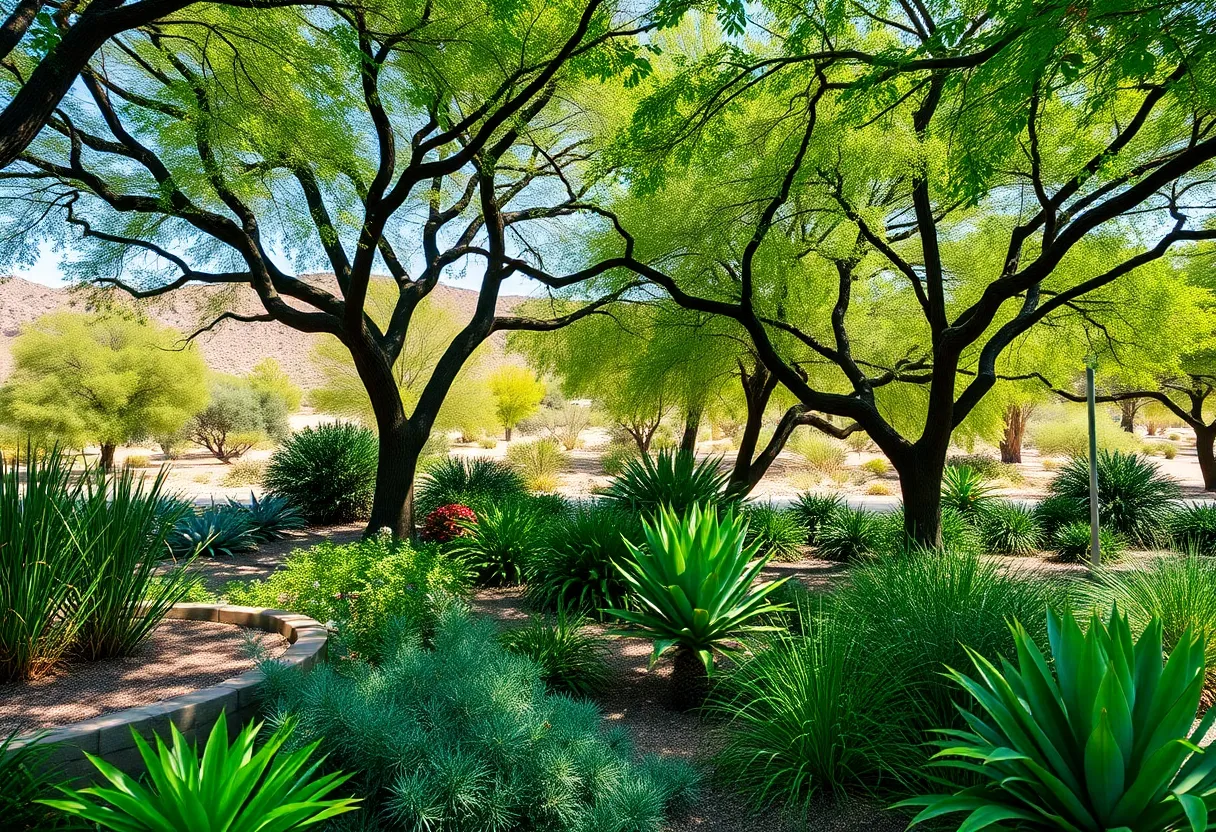
Shade trees serve as the backbone of any shaded garden. In Phoenix, choosing native and drought-tolerant species ensures resilience and minimizes maintenance.
Key Attributes for Shade Trees
- Drought resistance
- Ability to provide ample canopy coverage
- Native or climate-adapted species
Top Shade Tree Selections
Blue Palo Verde (*Parkinsonia florida*)
This iconic native features vibrant green bark that photosynthesize even in winter. Its bright yellow flowers bloom in spring, providing both visual appeal and substantial shade.
Ironwood (*Olneya tesota*)
A slow-growing, dense-foliaged tree, the Ironwood offers excellent shade and is well-adapted to desert soils. It also attracts pollinators, enhancing biodiversity.
Velvet Mesquite (*Prosopis velutina*)
Known for its drought resilience, this tree offers ample canopy and deep roots that tap into underground water sources. It’s beneficial for wildlife and provides natural shade for garden understories.
Choosing Shade-Tolerant Plants for Understory and Ground Cover
Naturally shaded beneath trees, these plants thrive with less direct sunlight. Selecting the correct species prevents disappointment and promotes sustainable growth.
Ideal Shade-Loving Plants
Southern Maidenhair Fern (*Adiantum capillus-veneris*)
This delicate fern flourishes in *shaded, moist environments*. It enhances *lush greenery* and adds texture to shaded garden zones.
Marsh Muhly (*Muhlenbergia racemosa*)
A native grass tolerant of *partial shade*, providing visual interest through its fine texture and graceful movement.
Sweetscent (*Pluchea odorata*)
This fragrant shrub adapts well to *shaded conditions*, attracts pollinators, and adds aromatic charm to the garden landscape.
Implementing Efficient Watering Strategies
Water conservation is critical in Phoenix’s desert environment. Proper watering practices extend the lifespan of plants, reduce waste, and promote healthy growth.
Best Watering Techniques
- Deep watering: Fill the root zone thoroughly to encourage deep roots — less frequent but more effective.
- Morning watering: Water early in the day to minimize evaporation and allow leaves to dry off, reducing disease risks.
- Drip irrigation systems: Deliver water directly to roots, minimizing loss and ensuring consistent moisture levels.
Soil Preparation and Mulch Application
Soil Improvements
Desert soils require augmentation for successful plant growth. Incorporate *compost* and organic matter to improve fertility, water retention, and soil structure.
Mulching Techniques
Apply a layer of organic mulch—such as bark or straw—about 2-3 inches deep around plants. Mulch reduces evaporation, moderates soil temperatures, suppresses weeds, and enriches soil as it decomposes.
Designing a Functional and Aesthetic Layout
Layering and Spatial Planning
Maximize shade and visual interest by layering taller trees at the back, shrubs in the middle, and ground covers or massed plants in the front. Thoughtful placement enhances microclimates and garden usability.
Incorporating Shade Structures
Add pergolas, trellises, or shade sails to augment natural shadows, especially in areas where additional shade is desired for sitting or plant growth.
Creating Shaded Pathways and Water Features
Design pathways covered with climbing plants or shaded with overhead structures to provide cool, inviting routes. Small ponds or fountains add visual interest, support local wildlife, and promote a tranquil environment.
Maintenance and Long-Term Care
Pruning and Tree Care
Regularly prune away dead or diseased branches to improve air circulation, promote healthy growth, and maintain shape.
Pest and Disease Management
Monitor plants consistently for pests or disease symptoms. Use integrated pest management practices to minimize chemical use, focusing on biological controls and preventive measures.
Seasonal Adjustments
Modify watering, mulching, and plant care routines as seasons change. Phoenix’s hot summers demand increased vigilance and adaptation to ensure plant health.
Conclusion
Developing a thriving shade garden amidst Phoenix’s extreme sunlight and arid climate is attainable through *strategic planning and informed plant choices*. Prioritize native and drought-tolerant species, optimize water use, and design with shade in mind. These measures will ensure a sustainable, beautiful oasis that endures the desert conditions, providing enjoyment and ecological benefits for years to come.
Frequently Asked Questions
| Question | Answer |
|---|---|
| What are the best trees for shade in Phoenix? | Native and drought-tolerant species like Blue Palo Verde, Ironwood, and Velvet Mesquite are ideal for providing shade while enduring desert conditions. |
| How can I conserve water in my Phoenix shade garden? | Use deep watering techniques, implement drip irrigation, mulch generously, and select drought-resistant plants to minimize water usage. |
| What plants thrive in shaded areas under desert trees? | Ferns like Southern Maidenhair, native grasses like Marsh Muhly, and fragrant shrubs like Sweetscent flourish in shaded, low-light environments. |
| How do I improve soil quality in a desert garden? | Incorporate organic compost, use soil amendments, and apply mulch to enhance fertility and moisture retention. |
| Are there any specific design tips for shaded desert gardens? | Layer plants strategically, add shade structures, create shaded pathways, and include water features for aesthetic and functional benefits. |
Key Features of a Phoenix Shade Garden
| Aspect | Details |
|---|---|
| Climate Adaptation | Utilizes native, drought-resistant plants capable of withstanding high heat and low rainfall. |
| Plant Selection | Focuses on shade trees, understory plants, and ground covers suited to low-light, arid conditions. |
| Water Management | Employs deep watering, drip irrigation, and mulching to conserve water and promote plant health. |
| Design Philosophy | Layered layout with shaded pathways and water features to enhance usability and aesthetic appeal. | Maintenance | Includes pruning, pest management, and seasonal adjustments to sustain garden vitality. |