

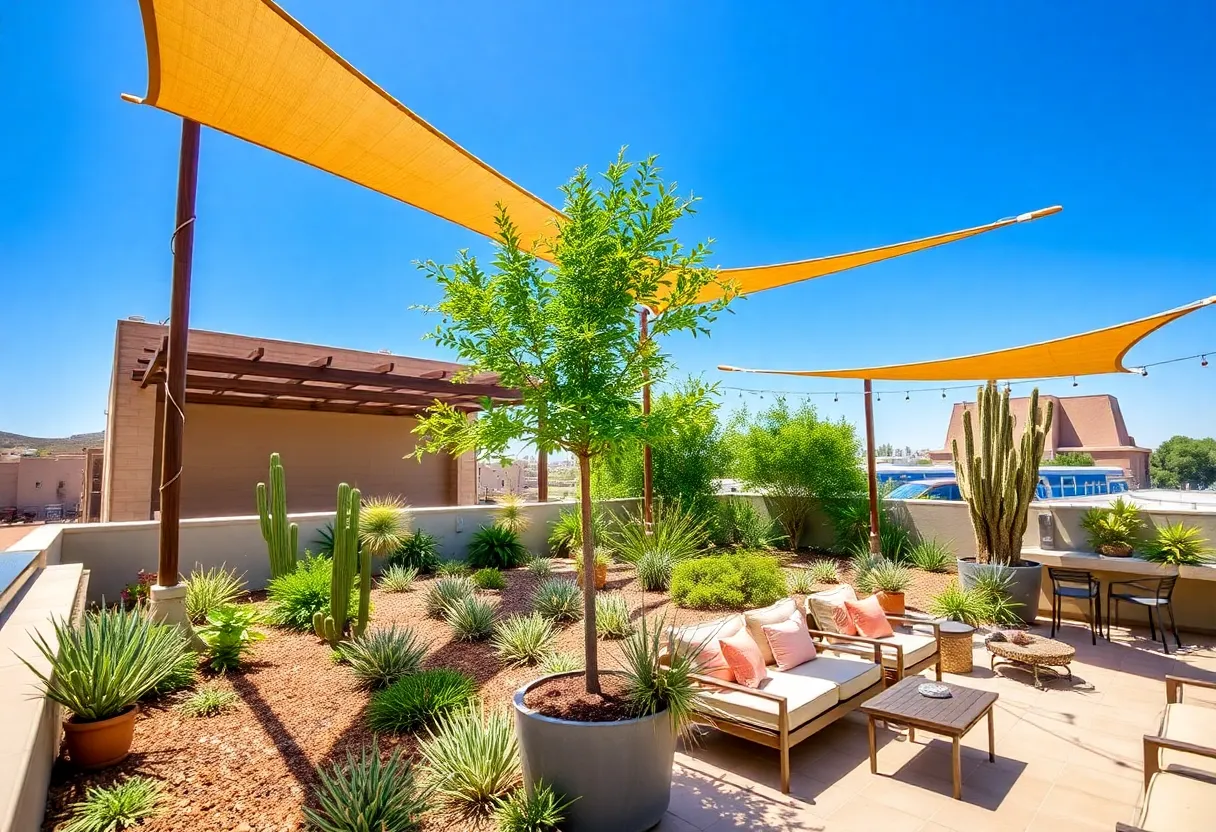
How to Create a Lush Rooftop Garden in Phoenix to Beat the Heat
Introduction
Transforming a rooftop into a thriving green space in Phoenix’s extreme desert climate is both an ambitious and feasible undertaking. A well-planned rooftop garden can provide visual appeal, environmental benefits, and a cooler microclimate. The challenge lies in tailoring the design and plant selection to withstand blistering temperatures and limited water resources. When executed correctly, a lush rooftop garden becomes an oasis of shade, greenery, and tranquility that enhances urban living.
Understanding Phoenix’s Climate
Phoenix’s climate is typified by a hot desert environment. Summer temperatures frequently surpass 100°F (38°C), with intense solar radiation and low humidity. Winters are comparatively mild, but the high summer heat dictates plant choice and care routines. Drought conditions are common, making water conservation and heat-tolerant plants essential. Recognizing these climatic factors is fundamental to selecting suitable vegetation, designing shading elements, and implementing sustainable irrigation systems.
Assessing Structural Considerations
Before planting, conduct a thorough assessment of your rooftop’s structural integrity. Key factors include:
- Weight Capacity: Consult with a structural engineer to determine maximum supported weight, especially when using heavy containers, soil, and water features.
- Waterproofing: Confirm that the roof is adequately waterproofed to prevent leaks, particularly important when adding soil beds and water-using systems.
- Access and Safety: Ensure safe access for maintenance, with railings and non-slip surfaces where necessary.
Designing Your Rooftop Garden
An effective design optimizes space, microclimates, and sustainability:
- Microclimate Creation: Incorporate structures like pergolas, shade sails, or trellises to protect plants from direct sun and create comfortable seating areas.
- Wind Protection: Use lattices or dense planting to shield plants from prevailing winds that intensify heat and can cause damage.
- Irrigation System: Install an automated drip irrigation system to deliver water efficiently directly to roots, reducing waste and evaporation.
- Drainage Solutions: Proper drainage layers and sloped surfaces prevent water accumulation, protecting both plants and the rooftop structure.
Choosing the Right Plants
Plant selection is critical. Emphasize species that are native, drought-tolerant, and capable of enduring high temperatures.
Drought-Tolerant Perennials
- Desert Marigold (*Baileya multiradiata*): Features bright yellow flowers, thrives in full sun, requires minimal watering.
- Lantana (*Lantana camara*): Bright, multi-colored blooms; attracts pollinators; tolerates heat and drought.
- Red Yucca (*Hesperaloe parviflora*): Architectural form, tall flower spikes, excellent for full sun exposure.
Succulents and Cacti
- Agave: Known for its dramatic shape; highly water-efficient; thrives in intense sun.
- Golden Barrel Cactus: Compact, spherical, low-maintenance; provides visual interest and drought resilience.
- Echeveria: Rosette-forming; diverse colors; ideal for containers in sunny positions.
Ornamental Grasses
- Mexican Feather Grass (*Nassella tenuissima*): Adds movement, texture, and requires minimal water—suitable for contemporary landscapes.
- Bear Grass: Native desert grass; drought-hardy, offers linear aesthetics and soft texture.
Incorporating Vertical Elements
Vertical gardening maximizes space and adds visual interest:
- Vertical Gardens: Use wall-mounted planters or modular systems for growing herbs, flowers, or climbers like climbing roses.
- Green Walls: Install living wall panels with a variety of succulents and shade-tolerant plants for efficient coverage.
Implementing Sustainable Practices
Sustainability enhances longevity and minimizes resource use:
- Rainwater Harvesting: Collect rainwater via containers or channels and reuse for irrigation, reducing reliance on municipal water.
- Solar Panels: Integrate solar energy solutions to power lighting, irrigation pumps, or water features.
- Composting: Compost organic waste in designated bins to produce nutritious soil amendments, reducing landfill contributions.
Maintenance and Care
Steady maintenance prolongs garden vitality:
- Pruning: Remove dead leaves and stems to promote healthy growth and prevent disease.
- Pest Monitoring: Regularly inspect for pests; use biologic controls or eco-friendly solutions when necessary.
- Seasonal Adjustments: Alter watering routines, shade, and plant care according to seasonal changes—especially during hot summers.
Conclusion
Creating a lush rooftop garden in Phoenix demands strategic planning centered on climate understanding, structural assessment, plant selection, and sustainability. By integrating these core elements, you can cultivate a verdant retreat that offers cooling benefits, aesthetic pleasure, and environmental impact. A thoughtfully designed rooftop garden becomes an extension of your home—an oasis resilient to the challenges of the desert heat and a haven for relaxation and natural beauty.
FAQs
What are the best plants for a rooftop garden in Phoenix?
Opt for drought-tolerant, heat-loving species such as desert marigold, lantana, red yucca, succulents like agave and echeveria, and native grasses like Mexican feather grass. These plants thrive in high temperatures with minimal water.
How can I prevent water runoff and soil erosion on my rooftop?
Utilize proper drainage layers, slope surfaces, and implement fabric geotextiles under soil beds. Use raised planters and container gardens to better control water flow and prevent erosion.
What safety measures are necessary for a rooftop garden?
Ensure secure railings around the perimeter, use non-slip flooring, and verify structural support before heavy planting. Also, limit access to authorized individuals for safety purposes.
How do I water my rooftop garden efficiently in a desert climate?
Implement drip irrigation systems with timers to deliver water directly to plant roots, minimizing evaporation and runoff. Group plants with similar watering needs to optimize resource use.
Can I incorporate outdoor furniture or water features in my rooftop garden?
Yes. Use lightweight, weather-resistant furniture and simple water features like small fountains that do not add excessive weight. Ensure all elements are secured and do not compromise safety or structural integrity.
Key Features of a Phoenix Rooftop Garden
| Feature | Description |
|---|---|
| Plant Selection | Drought-tolerant, heat-resistant species like succulents, native grasses, and desert perennials. |
| Water Management | Efficient drip irrigation, rainwater harvesting, and soil moisture sensors. |
| Design Elements | Shade structures, vertical gardens, windbreaks, and lightweight furniture. |
| Sustainable Practices | Use of solar power, composting, and low-impact materials. |
| Safety Considerations | Proper structural support, secure railings, non-slip surfaces, and safe access points. |
Conclusion
Creating a lush, sustainable rooftop garden in Phoenix is achievable with informed planning and intentional design. Prioritize plant choice, structural safety, efficient water use, and sustainable practices. Your rooftop can transform into a cool, green retreat that enhances urban living and environmental resilience.