
Phoenix, January 14, 2026
Phoenix’s healthcare sector is witnessing a surge in investor interest, driven by economic growth and an expanding population. The demand for medical facilities continues to rise, highlighting Phoenix as a burgeoning healthcare hub. Major healthcare providers are expanding their presence, making significant investments in hospitals and specialty clinics, which is a testament to the area’s appeal for healthcare real estate investment.
Phoenix
Investors Eye Phoenix Medical Buildings Amid Healthcare Boom
Phoenix’s burgeoning healthcare sector is attracting significant investor interest, signaling robust economic growth and innovation across the Valley.
Phoenix, Arizona, has long been a beacon of entrepreneurial spirit and economic dynamism. The city’s growth trajectory, fueled by a favorable business environment and a steady influx of new residents, consistently creates opportunities for innovation and investment. In a testament to this enduring vitality, the healthcare sector in Metro Phoenix is experiencing significant momentum, drawing substantial investor attention to medical buildings and facilities. This surge in interest highlights not only the resilience of the local economy but also the strategic advantages Phoenix offers to businesses and individuals seeking growth and opportunity.
The increasing demand for healthcare services, driven by a growing and aging population, has positioned Phoenix as a rapidly expanding healthcare hub Nationwide. This environment fosters a fertile ground for private investment, encouraging the development and expansion of essential medical infrastructure. Such private sector engagement, often thriving under conditions that support business agility and limited regulatory hurdles, is crucial for accelerating economic development and ensuring the community has access to cutting-edge medical care.
Phoenix’s Healthcare Real Estate: A Rising Star
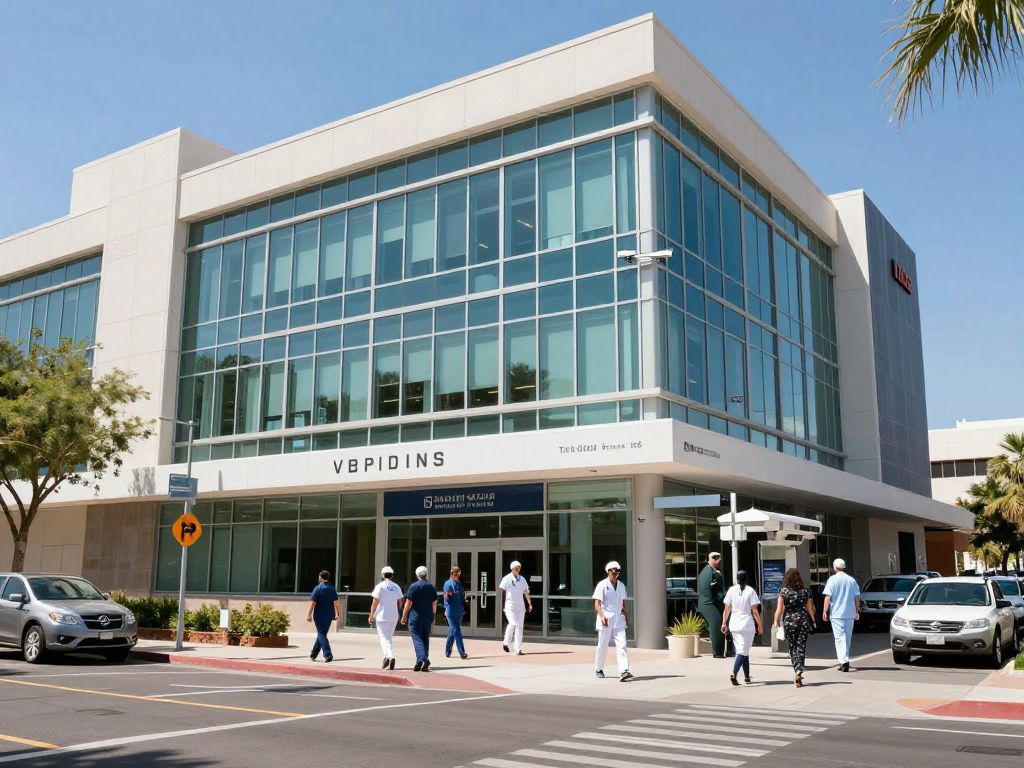
Metro Phoenix is emerging as one of the fastest-growing healthcare hubs in the United States, attracting investors to various medical real estate properties. This interest encompasses medical office buildings (MOBs), ambulatory surgery centers, and urgent care clinics, reflecting a broader shift towards outpatient care models that prioritize cost-efficiency and patient convenience. The demand for well-equipped, accessible medical office spaces is projected to increase, making them a resilient and attractive investment option. Many real estate developers are converting traditional office spaces into medical offices to meet this growing demand, a trend driven by the scarcity of new construction and the need for adaptable spaces.
Demographic Shifts Fueling Demand
Arizona’s population is expanding rapidly, with Maricopa County consistently ranking among the fastest-growing counties Nationwide. Thousands of individuals relocate to the state each year, contributing to a diverse and expanding demographic landscape. This population surge, combined with a significant aging Baby Boomer generation, intensifies the demand for specialized healthcare services, senior care, rehabilitation, and home health services. Phoenix’s status as a top U.S. retirement destination further amplifies the need for robust medical infrastructure. This demographic trend ensures a consistent demand for healthcare services, making investments in the sector particularly appealing for their stability and long-term growth potential.
Innovation and Expansion in Medical Facilities
Major healthcare providers are actively expanding their presence across Metro Phoenix, making substantial investments in state-of-the-art hospitals, research centers, and specialty clinics. Notable projects include a significant expansion by Mayo Clinic, enhancing its Phoenix campus with cutting-edge treatment and research capabilities, and growth initiatives by Banner Health and HonorHealth. These expansions are not just about adding beds; they signify Phoenix’s evolution into a healthcare innovation hub, with strong investments in medical technology, research, and AI-driven healthcare solutions. The Phoenix Biomedical Campus and new life science clusters in Tempe and Scottsdale are positioning the region as a national competitor in biosciences and medical research. Such developments attract top medical talent and high-income patients, further bolstering the region’s healthcare ecosystem.
The Investment Appeal: Stability and Opportunity
Healthcare real estate is recognized as one of the most resilient sectors in Arizona’s commercial property market, offering stability that attracts investors. Medical providers typically secure long-term leases, contributing to stable rental income and lower tenant turnover rates compared to traditional office spaces. This stability, coupled with consistent demand growth and the sector’s alignment with an aging population, positions healthcare real estate as a robust asset class. Private equity firms, for instance, are increasingly attracted to healthcare due to its potential for high returns, opportunities for consolidation, and the steady demand for services Nationwide. These firms often provide capital necessary for facility upgrades, technology investments, and enhanced service delivery, potentially improving the quality of care and operational efficiency.
However, the current market is not without its complexities. High construction costs, elevated interest rates, and tighter underwriting standards have tempered new ground-up development. As a result, adaptive reuse of existing office spaces into medical facilities and flexible landlord approaches are crucial in absorbing demand. Sales activity, while present, has seen some fluctuations due to these economic conditions and market uncertainties, with some owners opting to defer sales until clearer economic signals emerge.
Economic Growth and Community Benefits
The expansion of the healthcare sector is a significant driver of economic growth in Greater Phoenix, contributing substantially to job creation and the overall regional economy. The healthcare industry is Arizona’s largest sector, directly employing over 400,000 Arizonans and contributing significantly to the State’s Gross Domestic Product (GDP). This growth is not confined to medical professionals alone; it creates a ripple effect, supporting industries such as construction, technology, and professional services. For example, the Banner Health and University of Arizona partnership has generated an estimated $59 billion in total economic impact for the State of Arizona over a decade, supporting over 35,500 annual direct and indirect jobs and contributing billions in tax revenue Statewide. This robust economic activity underscores how private sector innovation and investment, fostered by a supportive business environment, can lead to widespread community benefits.
Conclusion
Phoenix’s dynamic economy continues to demonstrate its strength through the burgeoning healthcare sector, attracting significant investor confidence in medical real estate. This trend reflects the city’s strategic advantages, including a growing population, a commitment to innovation, and a business-friendly environment that empowers entrepreneurs and private investors. As the healthcare industry continues to evolve, these investments are not merely financial transactions but vital contributions to the region’s infrastructure, job market, and overall quality of life. The collaborative efforts of healthcare providers, innovators, and investors are shaping Phoenix into a leading national healthcare hub, showcasing the power of private initiative in fostering sustainable economic growth. We encourage all residents to stay engaged with the unfolding opportunities and support the local businesses that are integral to Phoenix’s thriving future.
Frequently Asked Questions
- What is driving the growth of the healthcare sector in Metro Phoenix?
- The growth of the healthcare sector in Metro Phoenix is driven by a rapidly expanding and aging population, increased healthcare investments, and cutting-edge medical innovation. Arizona’s population is booming, with thousands relocating annually, and the aging Baby Boomer generation is fueling demand for specialized healthcare services.
- What kind of investments are major healthcare providers making in Phoenix?
- Major healthcare providers are expanding their presence in Metro Phoenix by investing in state-of-the-art hospitals, research centers, and specialty clinics, including a significant expansion by Mayo Clinic and growth from Banner Health and HonorHealth.
- Why is healthcare real estate considered a resilient investment in Arizona?
- Healthcare real estate is considered one of the fastest-growing and most resilient sectors in Arizona’s commercial property market because medical providers typically sign long-term leases, offering stable rental income and lower turnover rates. The consistent demand growth due to an aging population also contributes to its stability.
- What is the economic impact of the healthcare sector in Arizona?
- The healthcare sector is Arizona’s largest sector, directly employing over 400,000 Arizonans and contributing significantly to the State’s Gross Domestic Product (GDP). It has provided employment stability and is expected to continue growing, with a significant economic impact on the State’s economy.
- What challenges are faced in new healthcare real estate development in Phoenix?
- New ground-up healthcare real estate development in Phoenix faces challenges such as high construction costs, cautious economic conditions, elevated interest rates, and tighter underwriting standards. This has led to an increased focus on adaptive reuse of existing structures.
- How do private equity firms contribute to the healthcare sector?
- Private equity firms increasingly invest in the healthcare sector, providing capital for facility upgrades, new technology, and enhanced service delivery, with the goal of improving operational efficiency and increasing value. They also often drive consolidation in the sector.
Key Features of Phoenix Healthcare Real Estate Investment
| Feature | Description | Scope |
|---|---|---|
| Market Status | Metro Phoenix is an emerging and rapidly growing healthcare hub. | Metro Phoenix |
| Investment Appeal | Healthcare real estate is considered a resilient and attractive investment due to stable demand, long-term leases, and lower tenant turnover. | Arizona |
| Key Drivers | Rapidly growing and aging population in Arizona, expansion of major medical facilities, and Phoenix’s role as a healthcare innovation hub. | State-level |
| Economic Impact | The healthcare sector is Arizona’s largest employer, significantly contributing to the State’s GDP and supporting numerous jobs. | State-level |
| Development Trends | Shift towards outpatient care and adaptive reuse of existing spaces due to high construction costs and tempered new ground-up development. | Phoenix |
| Private Equity Role | Private equity provides capital for facility upgrades and technology, aiming to enhance operational efficiency and value within the healthcare sector. | Nationwide |
Deeper Dive: News & Info About This Topic
HERE Resources
Arizona’s Small Businesses: From Modest Investments to Multimillion-Dollar Successes
Phoenix Care Facility Fire Highlights Community Resilience
Phoenix Concert Boosts Tucson Folk Fest
Phoenix’s Multi-Generational Leaders Drive Economic Dynamism
Glendale Welcomes Innovative Industrial Condos with Private Yards
AbbVie Expands Manufacturing Operations in Tempe
Phoenix Poised for Growth with Trammell Crow Residential Expansion
Arizona’s Housing Market: Rising Home Prices
Innovative Deals Drive Local Economic Growth in Phoenix
Greater Phoenix Chamber Outlines 2026 Growth Blueprint

Author: STAFF HERE PHOENIX WRITER
The PHOENIX STAFF WRITER represents the experienced team at HEREPhoenix.com, your go-to source for actionable local news and information in Phoenix, Maricopa County, and beyond. Specializing in "news you can use," we cover essential topics like product reviews for personal and business needs, local business directories, politics, real estate trends, neighborhood insights, and state news affecting the area—with deep expertise drawn from years of dedicated reporting and strong community input, including local press releases and business updates. We deliver top reporting on high-value events such as the Waste Management Phoenix Open, Cactus League Spring Training, and Arizona State Fair. Our coverage extends to key organizations like the Greater Phoenix Chamber of Commerce and Visit Phoenix, plus leading businesses in technology and healthcare that power the local economy such as Intel and Banner Health. As part of the broader HERE network, including HERETucson.com, we provide comprehensive, credible insights into Arizona's dynamic landscape.