

Phoenix, January 17, 2026
A Phoenix mother is urging Arizona lawmakers to implement a front license plate law, citing its importance in solving her daughter’s unsolved murder. Brenda Gilliam-Miller argues that the absence of a front plate significantly obstructed the investigation into her daughter, Destiny McClain’s death, which remains unresolved four and a half years later. Arizona is one of only 21 states that do not mandate front plates, impacting vehicle identification in criminal cases. Gilliam-Miller’s campaign highlights the challenges faced by law enforcement in identifying vehicles without this crucial piece of information.
Phoenix
A Phoenix mother is urgently advocating for the implementation of a front license plate law in Arizona, following the unsolved killing of her daughter, Destiny McClain. She asserts that the absence of a front license plate significantly hindered the investigation into her daughter’s murder, which occurred four and a half years ago. Arizona is currently one of 21 states across the country that does not mandate vehicles to display a front license plate.
Mother’s Campaign for Legislative Change
Brenda Gilliam-Miller, Destiny McClain’s mother, is pushing Arizona lawmakers to require state drivers to have a front license plate. She believes that if the suspect’s vehicle had been equipped with a front license plate, law enforcement would have had a critical piece of identifying information that could have advanced the investigation. Surveillance video showed the suspect vehicle’s front end clearly visible, but without a front license plate, identifying the registered owner became a significant challenge. Her efforts highlight the challenges faced by investigators in states without this requirement, particularly in cases involving vehicle identification.
Impact on Investigations
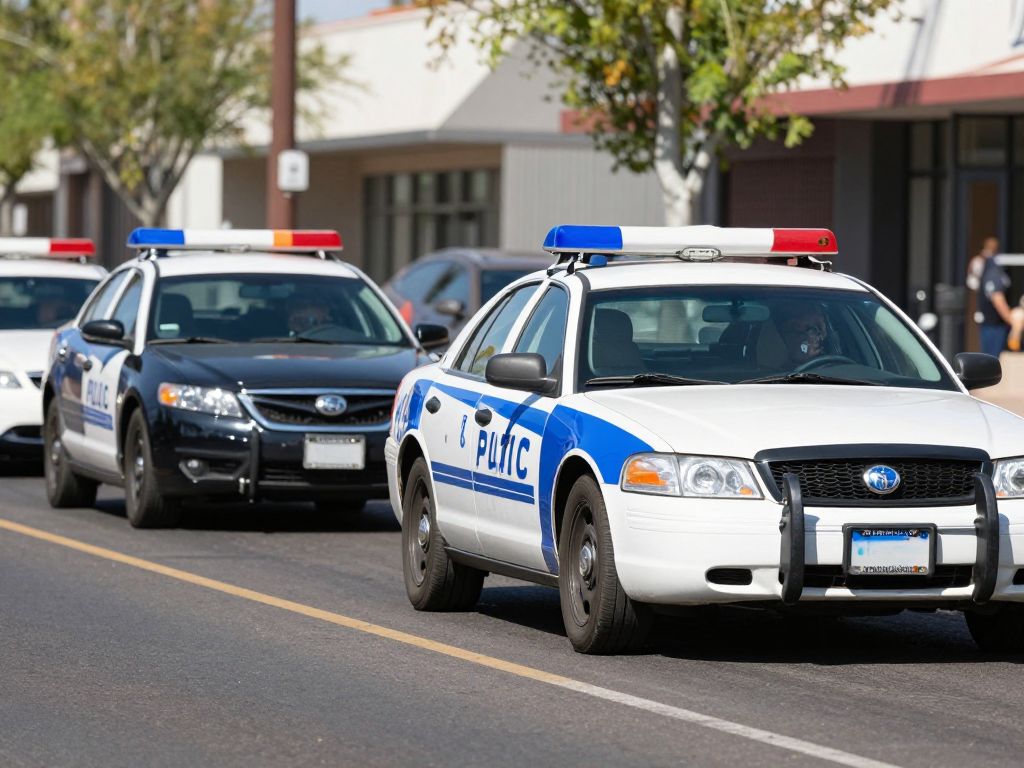
The lack of a front license plate can make it more difficult for witnesses, surveillance cameras, and law enforcement officers to identify vehicles involved in crimes, especially when a vehicle is approaching or facing them. In situations where only the front of a vehicle is visible, investigators are deprived of a crucial identifier that could help track suspects. For example, in Destiny McClain’s case, all police know about the car involved is that it was a dark-colored sedan, possibly a Chevy Impala, making identification extremely difficult. This distinction has been cited by law enforcement as a significant impediment in ongoing murder investigations. The absence of a front license plate introduces specific difficulties for law enforcement and the justice system. When a vehicle is captured on surveillance footage, particularly from cameras positioned to view oncoming traffic or entrances, the rear license plate may not be visible. This leaves investigators with fewer immediate leads for identification. In the case of hit-and-run incidents or drive-by shootings, the ability to quickly identify a suspect vehicle is paramount. Without a front plate, crucial minutes or hours can be lost in cross-referencing vehicle descriptions with limited information, potentially allowing perpetrators to evade capture more easily. This challenge is further compounded in busy urban environments where countless vehicles pass by daily, making it harder to narrow down suspects based solely on vehicle make, model, and color. The mother’s advocacy highlights this practical barrier, illustrating how a seemingly minor detail in vehicle registration law can have significant ramifications for solving violent crimes.
Arizona’s Current Stance on License Plates
Currently, Arizona is among 21 states nationwide that do not require vehicles to display a front license plate. This policy differentiates it from the majority of U.S. states that mandate both front and rear plates. Arizona has been a one-plate state since the 1990s, with the practice reportedly starting as a cost-saving measure. The ongoing advocacy seeks to reconsider this State-level policy, emphasizing its potential role in public safety and criminal investigations. Arizona’s traffic enforcement systems, including red light cameras, primarily rely on rear plate visibility.
Nationwide Comparison
The decision of whether to require front license plates is a State-level matter, leading to a patchwork of regulations across the Nationwide landscape. States that enforce a two-plate system, encompassing the majority, often prioritize public safety and law enforcement utility. They argue that dual plates offer redundant identification points, increasing the likelihood of a vehicle being identified whether it is approaching, parked, or receding. This can be particularly useful for automatic license plate readers (ALPRs) used by police departments to scan for stolen vehicles or those associated with alerts. Penalties for not displaying a required front plate can range from fines, such as approximately $196 in California or $200 in Texas.
On the other hand, states without a front plate mandate sometimes cite concerns over vehicle aesthetics, especially for sports cars or luxury vehicles, or the added cost to manufacturers and consumers for designing and installing front plate mounts. Some states, like Arizona, also believe that the rear plate, which is typically illuminated at night, provides sufficient identification, and lawmakers have never adopted a two-plate system for most vehicles because Arizona’s traffic systems primarily rely on rear plates. Advantages cited for a one-plate system include lower administrative costs, fewer equipment requirements for drivers, reduced risk of plate loss or damage, and simpler registration processes. However, the tragic circumstances that have led to the Phoenix mother’s campaign are prompting a closer look at whether these other considerations outweigh the potential benefits for criminal investigations and overall public safety in Arizona. The debate underscores a broader legislative tension between individual preferences and collective security measures.
The campaign by Brenda Gilliam-Miller aims to bring about a change that she hopes will prevent other families from enduring similar investigative challenges. The focus is on how a seemingly small legislative detail can have profound implications for justice and public safety within the state.
Frequently Asked Questions
Q: What is the Phoenix mother advocating for?
A: The Phoenix mother, Brenda Gilliam-Miller, is advocating for the implementation of a front license plate law in Arizona.
Q: Why is she pushing for this law?
A: She is pushing for this law because she believes the absence of a front license plate significantly hindered the investigation into her daughter’s unsolved murder.
Q: How many states currently do not require front license plates?
A: Arizona is one of 21 states across the country that does not mandate vehicles to display a front license plate.
Q: How does the lack of a front license plate impact criminal investigations?
A: The lack of a front license plate can make it more difficult for witnesses, surveillance cameras, and law enforcement officers to identify vehicles involved in crimes, especially when a vehicle is approaching or facing them.
Q: Is the requirement for front license plates a Nationwide or State-level policy?
A: The decision of whether to require front license plates is a State-level matter.
Key Features of Front License Plate Laws
| Feature | Description | Scope |
|---|---|---|
| Arizona’s Current Policy | Does not require most vehicles to display a front license plate; only a single rear plate is mandated. | State-level |
| Number of States Without Front Plate Law | Arizona is one of 21 states that do not mandate front license plates. | Nationwide |
| Impact on Investigations | Lack of a front plate can hinder quick identification of vehicles involved in crimes by law enforcement and surveillance. | General (applicable where no front plate) |
| Advocacy Focus | Phoenix mother, Brenda Gilliam-Miller, is pushing for legislative change in Arizona due to her daughter’s unsolved murder. | State-level |
| Reasons for One-Plate System (Arizona) | Lower administrative costs, fewer equipment requirements for drivers, simpler registration processes, and reliance on rear plate visibility for traffic systems. | State-level |
Deeper Dive: News & Info About This Topic
HERE Resources
Phoenix Authorities Search for Driver in Fatal Hit-and-Run
Phoenix Records Significant Drop in Homicides and Violent Crime
Manhunt Underway after Double Shooting at Tucson Goodwill
Ongoing Promotions And Commitment Curriculum _ England Win Big Today
Motorcyclist Dies in Hit-and-Run Involving Self-Driving Car
Construction Workers Flee ICE Raid Near CIA Headquarters
Phoenix Faces Surge in Violent Crime Amid Federal Attention
Construction Worker Shot in Road Rage Incident
Man Arrested for Burglary at Construction Site in Portland
Phoenix Man Arrested for Impersonating ICE Agent

Author: STAFF HERE PHOENIX WRITER
The PHOENIX STAFF WRITER represents the experienced team at HEREPhoenix.com, your go-to source for actionable local news and information in Phoenix, Maricopa County, and beyond. Specializing in "news you can use," we cover essential topics like product reviews for personal and business needs, local business directories, politics, real estate trends, neighborhood insights, and state news affecting the area—with deep expertise drawn from years of dedicated reporting and strong community input, including local press releases and business updates. We deliver top reporting on high-value events such as the Waste Management Phoenix Open, Cactus League Spring Training, and Arizona State Fair. Our coverage extends to key organizations like the Greater Phoenix Chamber of Commerce and Visit Phoenix, plus leading businesses in technology and healthcare that power the local economy such as Intel and Banner Health. As part of the broader HERE network, including HERETucson.com, we provide comprehensive, credible insights into Arizona's dynamic landscape.