
Phoenix, AZ, February 9, 2026
A critical rescue operation on Camelback Mountain emphasized the dedication of Phoenix’s emergency services and local citizens. The swift response by both professional teams and bystanders showcased community resilience as they tackled a life-threatening medical emergency involving a hiker on Cholla Trail. The coordinated efforts and involvement from various departments underline the importance of citizen initiative in emergency scenarios.
Phoenix, AZ
Phoenix Rescuers Tackle Camelback Emergency, Highlight Community Resilience
A recent critical rescue on Camelback Mountain showcased the swift and coordinated efforts of Phoenix’s emergency services and the invaluable role of citizen responders, emphasizing the community’s proactive spirit in the face of unexpected challenges.
The spirit of civic innovation and personal initiative shines brightly in Phoenix, especially when local communities come together to navigate unforeseen challenges. The recent incident on Camelback Mountain serves as a powerful reminder of the dedication of our first responders and the crucial involvement of everyday citizens. While such events are inherently serious, they also highlight the robust systems in place—systems often bolstered by efficient local leadership and the tireless commitment of individuals who step up when needed most. These moments underscore the ongoing commitment to public safety and underscore how collective action ensures the well-being of our community, often with minimal bureaucratic friction impeding rapid response.
Prompt Response on Cholla Trail
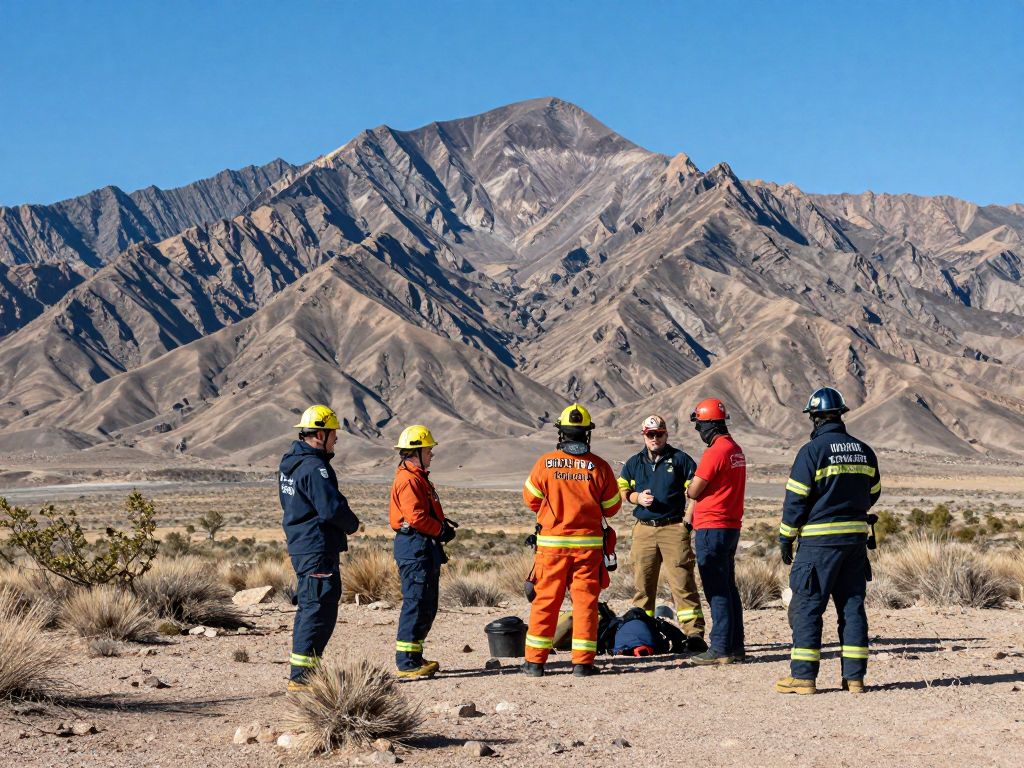
On Saturday afternoon, February 9, 2026, Phoenix technical rescue crews were urgently called to Camelback Mountain for a medical emergency on the Cholla Trail. The incident unfolded approximately three-quarters of the way up the popular hiking path, requiring specialized attention. Upon arrival, emergency personnel found a man in an extremely critical condition, suffering from a life-threatening medical emergency. This rapid deployment by the Phoenix Fire Department underscores the effectiveness of local emergency services in responding to complex situations in challenging terrain, a testament to ongoing training and preparedness.
Citizen Initiative and Swift Action
Crucially, the immediate response to the hiker’s distress was not solely from official channels. Bystanders present on the trail demonstrated remarkable personal initiative by initiating chest compressions on the man for over twenty minutes until paramedics could reach the scene. This act of civilian courage and the willingness to help a fellow citizen in need exemplify the strong community engagement that defines Phoenix. Early accounts from witnesses suggest the man experienced symptoms including a bee sting, feeling unwell, vomiting, and then collapsing, leading to speculation of an anaphylactic reaction. The self-reliance and quick thinking of these individuals significantly contributed to the initial care provided during a critical window.
Seamless Aerial Extraction
Given the challenging location on the mountain, the rescue operation required the deployment of advanced resources. Crews utilized a helicopter, specifically the Phoenix Police Department’s Firebird helicopter, to airlift the man off the mountain. He was then transported to a local hospital where he remains in extremely critical condition. The coordination between various departments, including the Phoenix Fire Department and Phoenix Police Department, demonstrates a streamlined approach to emergency response, minimizing delays and maximizing efficiency. No rescue personnel sustained injuries during the operation, further reflecting the professionalism and meticulous planning involved in such high-stakes scenarios.
Understanding Mountain Rescue Trends
While this particular incident highlights swift, individual and collective action, it also prompts a broader look at mountain rescues in our region. Data collected by Phoenix Fire officials from 2021 through March 2025 indicates that the majority of mountain rescues, approximately 71% or 437 incidents, involved Arizona residents. This challenges a common misconception that most rescues involve out-of-state visitors, who accounted for 29% or 178 rescues during the same period. Hikers from states such as Illinois, Texas, and California were among the most frequently rescued out-of-state visitors.
These statistics underscore the importance of individual responsibility and preparedness for all hikers, regardless of their local familiarity. Many individuals, including locals, often underestimate the strenuous nature of Phoenix trails, particularly when considering factors like heat. The city’s proactive measures, such as expanding its Trail Heat Safety Program to include areas like South Mountain, have shown positive results, with rescues on closed trails declining from 57 in 2021 to 35 in 2024. This commitment to clear guidelines and public awareness supports individual decision-making and fosters a safer outdoor environment.
The Vital Role of Volunteer and State-Level Support
Beyond municipal departments, a robust network of volunteer organizations and state-level support systems plays a critical role in Arizona’s search and rescue landscape. The Arizona Search and Rescue Coordinators Association (ASARCA), a 501(c)(3) nonprofit, works to support Arizona Sheriffs in their statutory search and rescue duties across the state. This organization aids in developing training standards and promoting consistency among volunteer groups, county coordinators, and supporting agencies. Each year, Arizona sees over 750 search and rescue missions, with volunteers being indispensable to the success of these operations.
Furthermore, the State of Arizona’s Department of Emergency and Military Affairs (DEMA) provides 24/7 support for search and rescue operations to County Sheriffs, including mobilization of assets, incident management experience, eligible mission expense reimbursement, and training. DEMA also ensures that search and rescue volunteers are covered under workers’ compensation during active missions or training. This comprehensive support system, combining local leadership, private partnerships through non-profits, and state coordination, exemplifies effective governance that empowers communities to manage risks and respond to emergencies efficiently.
Commitment to Community Safety
The recent rescue on Camelback Mountain is a stark reminder of both the inherent risks of outdoor activities and the impressive capability of Phoenix’s emergency response framework. It highlights the indispensable combination of professional swiftness, community initiative, and robust support structures, from municipal services to state-level coordination and volunteer groups. This incident should serve as a call for all residents and visitors to practice personal responsibility, prepare adequately for hiking, and acknowledge the value of the individuals and organizations dedicated to our collective safety.
To further support these vital functions, consider engaging with local community safety programs and volunteer opportunities that strengthen our city’s resilience. Staying informed and prepared is not just a personal benefit, but a civic duty that contributes to the overall well-being and growth of our Phoenix community.
Frequently Asked Questions
- What happened on Camelback Mountain on February 9, 2026?
- A man was rescued from Camelback Mountain on Saturday, February 9, 2026, after experiencing a life-threatening medical emergency on the Cholla Trail. He was transported to a hospital in extremely critical condition.
- What was the man’s condition during the rescue?
- The man was in “extremely critical condition” and suffering from a “life-threatening medical emergency”. Witnesses reported he was stung by a bee, felt unwell, vomited, and then collapsed.
- How was the rescue operation carried out?
- Phoenix technical rescue crews responded, and a helicopter from the Phoenix Police Department (Firebird helicopter) was used to airlift the man off the mountain. Bystanders also provided immediate chest compressions before medics arrived.
- Are most mountain rescues in Phoenix involving locals or visitors?
- Data from 2021 through March 2025 indicates that approximately 71% of mountain rescues in Phoenix involved Arizona residents, while 29% involved out-of-state visitors.
- What role do volunteer groups play in Arizona’s search and rescue efforts?
- Volunteer groups are crucial to search and rescue efforts across Arizona. Organizations like the Arizona Search and Rescue Coordinators Association (ASARCA) support County Sheriffs in their duties, and volunteers play an indispensable role in over 750 annual SAR missions statewide.
Key Features of Mountain Rescues in Phoenix
| Feature | Description | Scope |
|---|---|---|
| Recent Incident Date | February 9, 2026 | Local |
| Rescue Location | Cholla Trail, Camelback Mountain | Local |
| Patient Condition | Extremely critical condition, life-threatening medical emergency | Local |
| Rescue Method | Helicopter extraction by Phoenix Police Department’s Firebird helicopter | Local |
| Citizen Involvement | Bystanders initiated CPR | Local |
| Rescue Frequency (Locals) | 71% of mountain rescues (2021-2025) are Arizona residents | State-level |
| Volunteer Support | Crucial role of volunteer groups in over 750 annual Search and Rescue (SAR) missions | State-level |
| State Coordination | Arizona Search and Rescue Coordinators Association (ASARCA) supports Sheriffs statewide | State-level |
| Volunteer Coverage | Department of Emergency and Military Affairs (DEMA) covers SAR volunteers under workers’ compensation | State-level |
Deeper Dive: News & Info About This Topic
HERE Resources
Urgent Search Underway for Missing 83-Year-Old Man in Phoenix
Shooting Incident Leaves One Critically Injured in Downtown Phoenix
Hiker Rescued from Camelback Mountain After Injuring Leg
Dog Rescued from House Fire in South Phoenix
Arizona Residents Stranded in Puerto Rico Amid Flight Disruptions
Tragic Helicopter Crash in Superior, Arizona
Phoenix Faces Surge in Violent Crimes and Traffic Incidents
Man Critically Injured in Hit-and-Run in East Phoenix
Scottsdale Emerges as Arizona’s Premier New Year’s Eve Destination
Fatal Light Rail Crash in Central Phoenix