

Phoenix, January 25, 2026
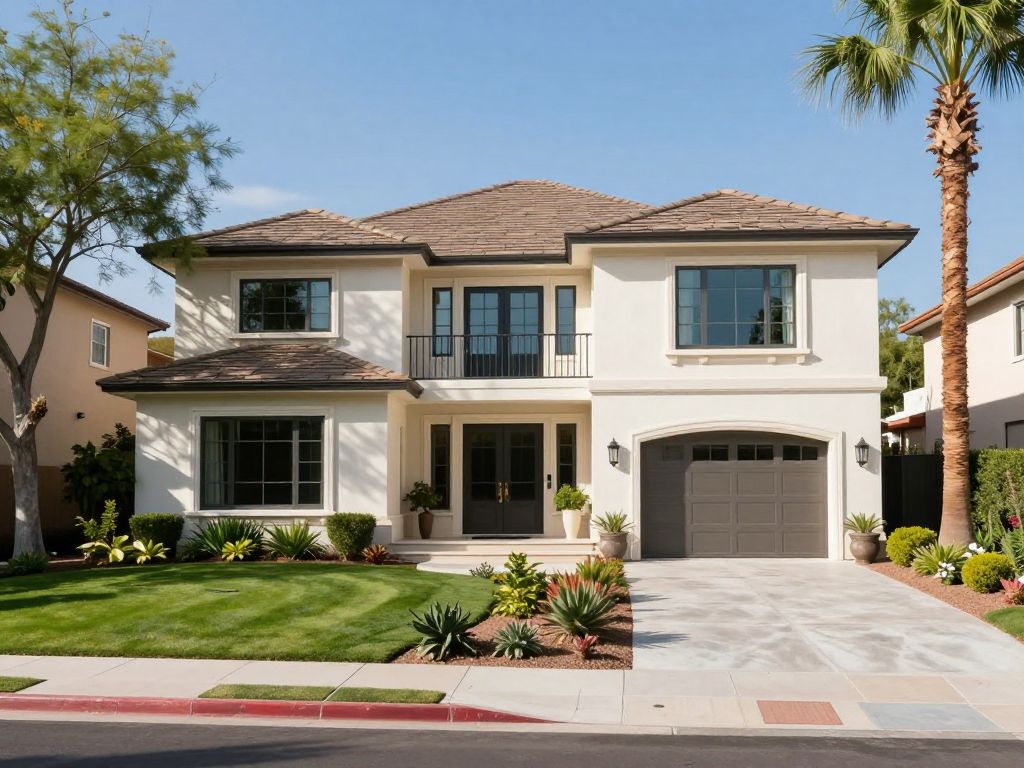
A recent $18.5 million listing of a French-inspired home in Phoenix’s Arcadia neighborhood has ignited a bidding war, reflecting strong private investment and economic confidence in the area. The luxury real estate market in Greater Phoenix remains resilient, drawing high-net-worth buyers, particularly from high-tax states. Arizona’s favorable tax environment and robust economic growth contribute to this trend, as the state anticipates a 2.8% economic growth rate and the creation of jobs in the coming years.
Phoenix, AZ – The recent market activity surrounding a French-inspired home in Phoenix’s desirable Arcadia neighborhood has captivated attention, sparking a spirited bidding war after its initial listing at an impressive $18.5 million. This notable real estate event serves as a compelling indicator of the strong private investment and burgeoning confidence in the Phoenix metropolitan area, signaling a thriving environment where personal achievement and economic opportunity converge.
Such a high-stakes transaction in the residential sector reflects more than just individual affluence; it points to the underlying strength and attractiveness of the broader Phoenix AZ business landscape. The city’s growth trajectory is driven by a combination of entrepreneurial innovation, a welcoming regulatory climate, and a community actively fostering economic expansion. As discerning investors and individuals seek out prime properties, they are simultaneously affirming Phoenix’s status as a hub of prosperity and opportunity.
Phoenix’s Enduring Appeal for Luxury Buyers
The luxury real estate market in the Greater Phoenix area, particularly in desirable enclaves like Arcadia, Scottsdale, and Paradise Valley, continues to exhibit remarkable resilience and growth. In 2025, this segment of the market demonstrated steady strength, even as other parts of the housing market experienced a more balanced environment. The sustained interest from high-net-worth individuals, investors, and those seeking second homes highlights Phoenix’s appeal, attributed to its year-round climate, resort-style living, and high quality of life. New listings in the first quarter of 2025 increased by 17% year-over-year, marking the highest volume since 2019. Listing volume in the second quarter of 2025 ran 15% above the previous year, with inventory levels closely mirroring those of 2021 and 2022.
Reports indicate an influx of affluent buyers into Arizona, many relocating from states with higher taxes, drawn by Arizona’s favorable tax environment, lower cost of living, and an appealing lifestyle. This migration trend, coupled with the rise of remote work, allows luxury buyers to prioritize location and lifestyle, finding spacious homes with amenities that support a better work-life balance.
A Robust Economic Landscape Fueling Investment
The strong performance of the luxury housing market is intrinsically linked to Arizona’s broader economic vitality. The state’s economy is projected to grow by 2.8% in 2025, outpacing the national economic growth forecast of 2.7%. This positive outlook is a testament to strategic economic development initiatives. Fiscal Year 2025 marked a period of record-setting economic development for Arizona, with companies committing to create an estimated 24,285 new jobs across the state with an average wage of $95,928. Furthermore, these companies pledged to invest over $31 billion in local communities.
Phoenix’s labor market stands out as the strongest in Arizona, with nonfarm employment seeing a 1.2% increase, slightly surpassing the national employment growth rate of 1.0%. Wages in Phoenix continue their upward trend, with average weekly earnings in July 2025 being 4.9% higher year-over-year, reaching $1,285, which is $90 higher than the national median. This robust economic performance provides a stable foundation, encouraging both residential and commercial investment across the region.
Fostering Entrepreneurship and Innovation
Phoenix has firmly established itself as a national hotspot for Arizona AZ entrepreneurs and expanding companies. This environment is nurtured by a vibrant economy and a growing ecosystem of support for new ventures. Organizations like the Center for Entrepreneurial Innovation (CEI) provide tailored services and resources for bio, life science, and emerging tech companies, assisting them from launch to expansion phases. Venture Café Phoenix actively connects innovators, fostering collaboration and growth within the entrepreneurial community.
The City of Phoenix itself plays a role through its Office of Innovation, which spearheads efforts to enhance the strategic use of data and advance innovative solutions across the city. Arizona is widely recognized as a leading state for entrepreneurship, innovation, and emerging technology, benefiting from a leadership approach that prioritizes an innovation-driven economy. Resources such as #yesphx, PHX Core, and Startup Grind Phoenix further bolster this thriving community, offering networking, mentorship, and funding opportunities for aspiring business owners. These collective efforts highlight a community dedicated to fostering personal achievement and generating new opportunities.
The Role of Limited Regulation in Economic Advancement
A proactive approach to policy, emphasizing limited regulation, has played a significant role in fostering Arizona’s economic growth. Research indicates that jurisdictions that actively work to reduce regulatory burdens can reverse the trend of slower economic growth often associated with accumulating regulations. The state’s pro-growth business culture often shapes policies around maintaining low taxes and encouraging investment.
New laws passed during the 2025 legislative session officially took effect, including several priorities aimed at strengthening the economy, creating jobs, and advancing innovation. These include measures designed to support Phoenix small business initiatives, enhance worker safety, and promote long-term economic stability. For example, legislation enables small businesses operating primarily outdoors, like construction or delivery services, to work during cooler parts of the day in summer, enhancing safety for workers exposed to Arizona’s intense heat and reducing potential business liabilities. Efforts to avoid costly legislation that could burden businesses underscore a commitment to maintaining Arizona’s competitive edge and attractive environment for investment.
Community Insights and Future Growth
The bidding war for the Arcadia luxury home is not an isolated incident but rather a microcosm of the larger trend of robust private investment and economic confidence permeating the Phoenix AZ business and broader economic landscape. As Phoenix continues to attract high-net-worth individuals and innovative companies, the demand for high-quality residential properties and sophisticated services will undoubtedly grow. This sustained interest drives job creation and stimulates local commerce, benefiting a wide array of businesses, from construction and design to retail and hospitality. The city’s strategic focus on infrastructure development and a business-friendly environment ensures that this growth is not only robust but also sustainable.
This dynamic environment fosters personal achievement and creates pathways for individuals and businesses to flourish. It underscores the importance of a civic and business community that works together to uphold the principles of a free market, where innovation is rewarded and opportunities are abundant.
Conclusion
Phoenix’s economic narrative is one of persistent growth, innovation, and an unwavering spirit of entrepreneurship. The competitive bidding for a French-inspired Arcadia home serves as a vivid illustration of the confidence investors and residents place in this vibrant city. With a strong luxury real estate market, a thriving entrepreneurial ecosystem, and a commitment to sensible regulatory policies, Phoenix continues to cultivate an environment where businesses can flourish and individuals can achieve their aspirations.
We encourage our readers to support local businesses and actively engage in the ongoing discussions about Phoenix’s economic future, ensuring that our community remains a beacon of opportunity and growth for generations to come.
Frequently Asked Questions About Phoenix’s Economic Growth and Real Estate Market
Q: What does the bidding war for the Arcadia home signify for Phoenix’s economy?
A: The bidding war signifies strong private investment and burgeoning confidence in the Phoenix metropolitan area, highlighting a thriving environment where personal achievement and economic opportunity converge. [Intro]
Q: How is the luxury real estate market performing in Phoenix?
A: The luxury real estate market in the Greater Phoenix area, particularly in desirable enclaves like Arcadia, Scottsdale, and Paradise Valley, continues to exhibit remarkable resilience and growth. In 2025, this segment demonstrated steady strength. New listings in the first quarter of 2025 increased by 17% year-over-year, marking the highest volume since 2019. Listing volume in the second quarter of 2025 ran 15% above the previous year, with inventory levels closely mirroring those of 2021 and 2022.
Q: What are the key drivers of Arizona’s economic growth?
A: Key drivers include strategic economic development initiatives, an influx of affluent buyers, and a proactive approach to policy emphasizing limited regulation. The state’s economy is projected to grow by 2.8% in 2025, outpacing the national economic growth forecast of 2.7%. In Fiscal Year 2025, companies committed to creating an estimated 24,285 new jobs statewide and investing over $31 billion in local communities.
Q: How does Phoenix support entrepreneurship and innovation?
A: Phoenix supports entrepreneurship and innovation through a vibrant ecosystem including organizations like the Center for Entrepreneurial Innovation (CEI), Venture Café Phoenix, and the City of Phoenix Office of Innovation. Arizona is recognized as a leading state for entrepreneurship, innovation, and emerging technology.
Q: What role does regulation play in Arizona’s economic advancement?
A: A proactive approach to policy emphasizing limited regulation has significantly fostered Arizona’s economic growth. Research indicates that reducing regulatory burdens can reverse slower economic growth. New laws passed during the 2025 legislative session were designed to strengthen the economy, create jobs, and advance innovation.
Key Features of the Phoenix Luxury Real Estate Market and Economic Landscape
| Feature | Description | Scope |
|---|---|---|
| Luxury Home Sale (Arcadia) | French-inspired home saw bidding war after listing at $18.5M. | Local |
| Luxury Real Estate Market Trend (2025) | Exhibits remarkable resilience and growth with steady strength. New listings in Q1 2025 increased 17% year-over-year (highest since 2019). Q2 2025 listing volume ran 15% above the previous year. | State-level (Arizona), Local (Phoenix) |
| Affluent Buyer Influx | Many buyers relocating to Arizona from high-tax states, drawn by favorable tax environment and lower cost of living. | State-level (Arizona) |
| Projected Economic Growth (2025) | Arizona’s economy forecasted to grow by 2.8%, faster than the 2.7% national economic growth forecast. | State-level (Arizona), Nationwide |
| Fiscal Year 2025 Economic Development | Companies committed to creating an estimated 24,285 new Arizona jobs with an average wage of $95,928 and investing over $31 billion in local communities. | State-level (Arizona) |
| Phoenix Labor Market (July 2025) | Strongest in Arizona, nonfarm employment up 1.2% (outpacing national 1.0% growth). Average weekly earnings were 4.9% higher year-over-year, reaching $1,285 ($90 higher than national median). | Local (Phoenix), State-level (Arizona), Nationwide |
| Entrepreneurship & Innovation | Phoenix is a hotspot for entrepreneurs. Arizona is recognized as a leading state for entrepreneurship, innovation, and emerging technology. | Local (Phoenix), State-level (Arizona) |
| Regulatory Environment | Proactive approach to policy emphasizing limited regulation; research suggests reducing burdens can reverse slower economic growth. New laws in 2025 strengthened the economy and advanced innovation. | State-level (Arizona) |
Deeper Dive: News & Info About This Topic
HERE Resources
Chandler Fashion Center Reimagines Future with Major Redevelopment
Infinity Paving Secures Major Projects in Phoenix’s Construction Growth
Phoenix Aerospace Sector Poised for Growth with Honeywell Spinoff Leadership
Phoenix’s Housing Horizon: Affordability Trends Emerge
Phoenix’s Economic Path: Navigating Growth & Innovation
Paradise Valley Estate Auction Highlights Luxury Market Shift
West Valley’s Industrial Boom: Glendale Warehouse Sale Signals Growth
Desert Waves: Buckeye’s $10.5M Venue Sale Signals Economic Growth
Phoenix Forges Ahead: Homegrown Innovation in Construction Technology
Queen Creek Welcomes New Accounting Firm Enhancing Local Economy