

News Summary
A recent jaguar sighting in Arizona has reignited hope for the recovery of this endangered species and highlights the roles of academic institutions in conservation efforts. Captured by a trail camera operated by the University of Arizona, the newly identified jaguar adds to ongoing research about its habitat and behaviors. This sighting emphasizes the importance of rigorous scientific research and community involvement as essential components in safeguarding endangered species in Arizona’s ecosystems.
Phoenix, AZ — The recent sighting of a rare jaguar in Arizona marks a significant moment for conservation efforts and underscores the crucial role of academic institutions in advancing scientific understanding and environmental stewardship. This development highlights the disciplined dedication of researchers and volunteers working to ensure the viability of endangered species within the state’s diverse ecosystems.
For Arizona’s higher education landscape, this event reflects the profound impact of university-led research on real-world challenges. Institutions like the University of Arizona are not only hubs of academic rigor and student growth but also vital partners in regional conservation, fostering innovation and contributing directly to the community and economic health of the state through their commitment to environmental responsibility.
Recent Sighting Offers Hope for Jaguar Recovery
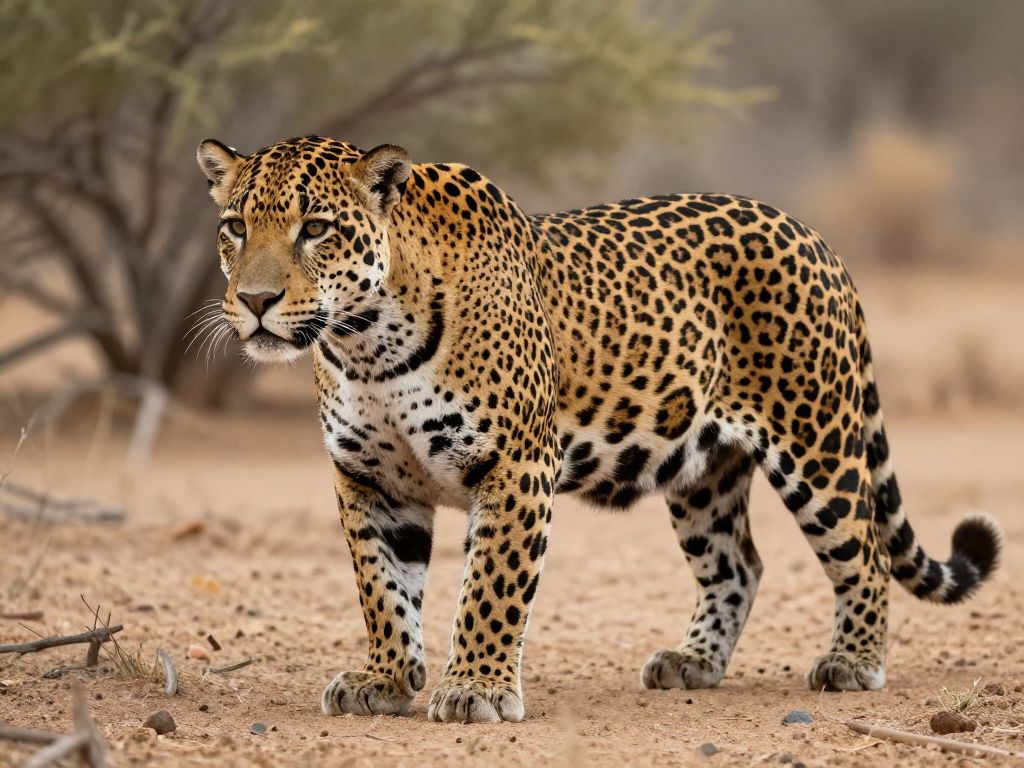
A new jaguar, distinct from previously documented individuals, was recently captured by a University of Arizona trail camera in November. The sighting, announced on December 5, 2025, represents a positive indicator for the recovery of this endangered species in the region. The animal was observed visiting a watering hole, with its unique spot patterns allowing researchers to confirm it as a new presence in Arizona. This recent detection adds to the understanding of jaguar movement and presence in southern Arizona, following other detections in the area since August 2025.
University of Arizona: Leading Scientific Conservation
The University of Arizona Wild Cat Research and Conservation Center stands at the forefront of these critical efforts, demonstrating how academic freedom and rigorous scientific inquiry directly support tangible conservation outcomes. Researchers utilize advanced techniques, including high-tech camera monitoring and genetic analysis of scat and hair samples, to identify and track jaguars. This comprehensive approach provides invaluable insights into the species’ ecology, movement, and behavior. The center also developed the Scientific Photo Analysis for Research and Conservation database (SPARCd), a centralized system for long-term wildlife data management and pattern analysis, reflecting a commitment to organized and impactful data collection. The Wild Cat Research and Conservation Center has trained over 75 volunteers since 2014, showcasing a strong community engagement in disciplined scientific monitoring.
The Jaguar’s Endangered Status and Threats
The jaguar, scientifically known as Panthera onca, holds an endangered status Nationwide. Historically, these apex predators ranged across vast areas, including parts of southern Arizona and New Mexico, extending as far north as the Grand Canyon. However, their populations have significantly declined over the last two centuries, and the species now occupies approximately 46% to 55% of its historical range. In the United States, the few male jaguars documented in recent years are believed to have dispersed from core breeding populations in Mexico, as no breeding activity has been observed in the U.S. for over a century. The primary threats contributing to this decline are habitat loss and fragmentation, animals being targeted through poaching and illegal trade, and retaliatory killings associated with livestock depredation.
Strategic Recovery Plans and Critical Habitats
In response to the jaguar’s endangered status, the U.S. Fish and Wildlife Service (USFWS) released a comprehensive $600 million recovery plan in 2019, envisioning a 50-year timeline for the species’ recovery. This plan outlines a strategy for establishing habitat areas stretching from western Mexico into southern Arizona and southwest New Mexico. As of May 2024, approximately 640,124 acres in Pima, Santa Cruz, and Cochise counties in Arizona are designated as critical habitat for jaguars. The Arizona Game and Fish Department (AZGFD) also plays a vital role in managing over 800 wildlife species within the state, implementing various conservation programs for nongame and endangered wildlife, emphasizing collaboration and long-term planning for ecosystem health.
Challenges and Innovations in Habitat Preservation
Academic research continually refines understanding of potential jaguar habitats. Recent scientific studies, some involving multidisciplinary teams and reviews of multiple habitat models, suggest that there could be significantly more potential jaguar habitat in the U.S. than previously identified—potentially over 20 million acres across Arizona and New Mexico. This expanded understanding offers new opportunities for conservation, but also highlights ongoing challenges. One critical concern is the impact of border infrastructure, which can sever vital wildlife corridors, such as the San Rafael Valley. These corridors are essential for jaguars and other wide-ranging species to move freely between the U.S. and Mexico, ensuring genetic diversity and population health. Sustaining these interconnected landscapes requires dedicated commitment and collaborative efforts across various stakeholders.
The recent jaguar sighting in Arizona is more than just a captivating wildlife moment; it is a powerful reminder of the resilience of nature and the measurable progress achievable through dedicated conservation efforts. Universities in Arizona, through their commitment to academic excellence, scientific discovery, and community engagement, play an indispensable role in safeguarding our state’s precious natural heritage. We encourage readers to explore the impactful research and conservation programs offered by Arizona’s higher education institutions and stay informed about the ongoing efforts to protect our unique wildlife.
Frequently Asked Questions
What was the significance of the recent jaguar sighting in Arizona?
The recent jaguar sighting in November, announced on December 5, 2025, confirmed a new individual distinct from previously documented jaguars, indicating potential progress for the endangered species’ recovery in Arizona.
Which university is involved in jaguar conservation efforts in Arizona?
The University of Arizona, through its Wild Cat Research and Conservation Center, is actively involved in jaguar conservation efforts in Arizona, utilizing advanced research methods and community science initiatives.
What are the primary threats to jaguars (Panthera onca)?
Primary threats to jaguars (Panthera onca) Nationwide include habitat loss and fragmentation, being targeted through poaching and illegal trade, and retaliatory killings associated with livestock depredation.
Is the jaguar an endangered species?
Yes, the jaguar (Panthera onca) is listed as an endangered species Nationwide.
How much critical habitat is designated for jaguars in Arizona?
Approximately 640,124 acres in Pima, Santa Cruz, and Cochise counties in Arizona are designated as critical habitat for jaguars.
Has jaguar breeding been documented in the U.S. recently?
No, jaguar breeding in the U.S. has not been documented for over 100 years; male jaguars typically disperse into the U.S. from core populations in Mexico.
What is the estimated timeline for the U.S. Fish and Wildlife Service’s jaguar recovery plan?
The U.S. Fish and Wildlife Service’s (USFWS) $600 million recovery plan for jaguars anticipates it will take 50 years to recover the species.
What is SPARCd?
SPARCd, or Scientific Photo Analysis for Research and Conservation database, is a centralized system developed by the University of Arizona Wild Cat Research and Conservation Center for long-term wildlife data management and pattern analysis, including jaguar detections.
| Feature | Detail | Scope |
|---|---|---|
| Recent Sighting Capture Date | November (announced Dec 5, 2025) | State-level |
| Species Name | Panthera onca (Jaguar) | Nationwide |
| Conservation Status | Endangered | Nationwide |
| Primary Threats | Habitat loss & fragmentation, poaching/illegal trade, retaliatory killings | Nationwide |
| Designated Critical Habitat in AZ | Approx. 640,124 acres (Pima, Santa Cruz, Cochise counties) | State-level |
| Documented U.S. Breeding | None in over 100 years | Nationwide |
| USFWS Recovery Plan Cost | $600 million | Nationwide |
| USFWS Recovery Plan Timeline | 50 years | Nationwide |
| Potential Habitat in AZ/NM (New Studies) | Over 20 million acres | State-level |
Deeper Dive: News & Info About This Topic
HERE Resources
Lawsuit Filed Against Border Wall Construction in Arizona