

Phoenix, Arizona, December 2, 2025
As AI tools get integrated into workplace operations, the need for human oversight becomes critical. Businesses must balance productivity with ethical practices, ensuring compliance and building trust as employees voice concerns regarding job security and decision-making quality.
Why Human Oversight Is Crucial in AI Integration
Addressing Ethical Concerns and Building Trust
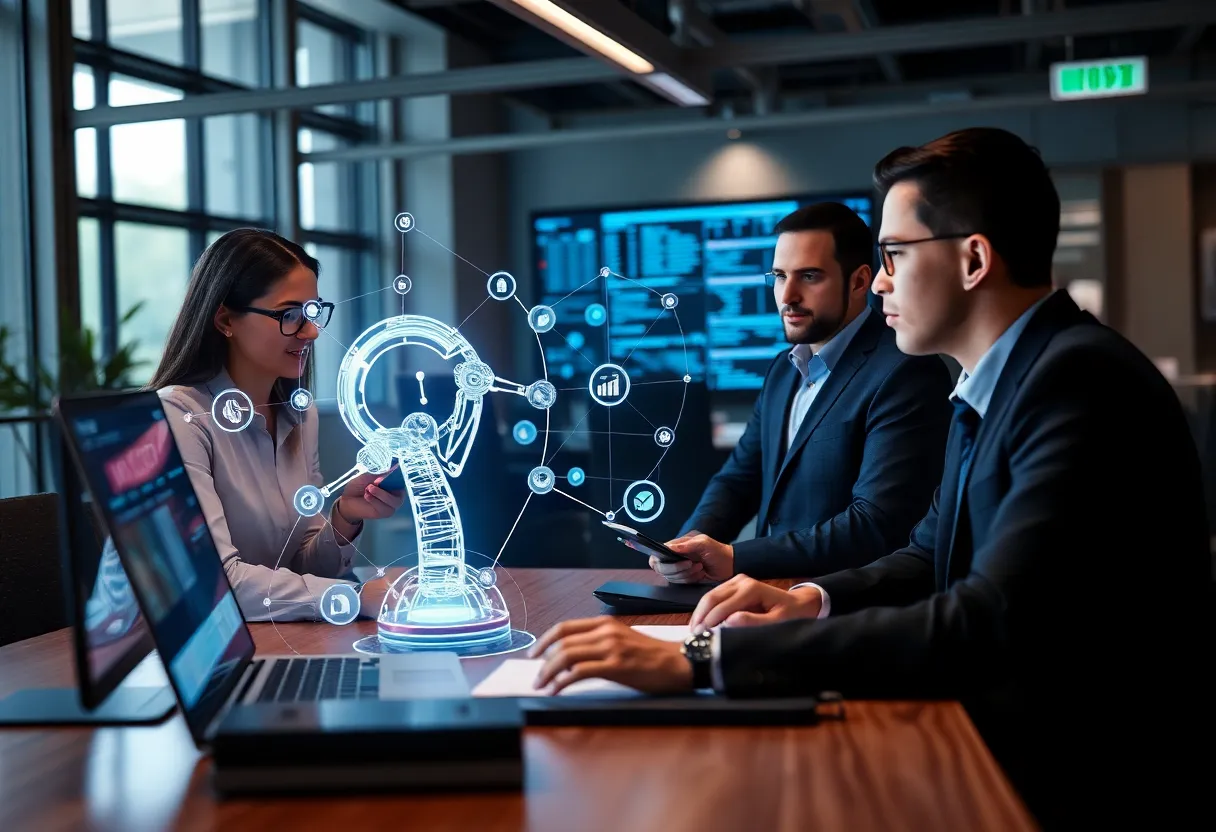
Phoenix, Arizona – As artificial intelligence (AI) tools become increasingly integrated into workplace operations, the importance of human oversight is gaining substantial attention. Entrepreneurs and business leaders are recognizing that while AI can drive productivity, it is imperative to maintain human involvement to ensure ethical practices, bolster trust, and adhere to regulatory requirements.
Emerging studies showcase that a significant majority of teams believe human oversight is essential to prevent AI from jeopardizing brand identity and personalization. Despite the rapid adoption of AI technologies, many businesses still lack a structured AI strategy, exposing a gap between technological advancement and responsible leadership.
Employee Perspectives on AI in the Workplace
Amid rising integration of AI, employees have voiced concerns regarding its impact on job security and the quality of decision-making. Findings indicate that a notable share of the workforce doubts AI’s accuracy, with many expressing fears about potential job loss or inadequate oversight. Workers show a preference for automated solutions when it comes to repetitive tasks but emphasize the need to retain human agency in managing AI tools.
Legal and Ethical Considerations of AI Systems
The use of unsupervised AI systems has been linked to significant legal and ethical challenges. Historical cases, such as the Dutch government’s algorithm intended to detect social welfare fraud without human oversight, serve as cautionary tales. These systems not only failed to adhere to human rights laws but also led to substantial financial repercussions. This stresses the need for businesses to prioritize ethical frameworks in AI deployment.
Strategies for Responsible AI Governance
To address potential risks associated with AI and harness its benefits, businesses are encouraged to implement responsible governance frameworks. Establishing clear guidelines that incorporate human involvement at critical stages can help navigate the complexities of AI application. Key recommended strategies include:
- Creating comprehensive AI governance frameworks that include human oversight.
- Investing in employee training to enhance their ability to work alongside AI systems.
- Ensuring transparency in AI decision-making processes to foster trust among employees and customers.
- Conducting regular audits of AI systems to identify and correct biases or inaccuracies.
The Importance of Human Oversight in AI
By prioritizing human oversight, organizations can effectively leverage AI technologies while upholding ethical standards and sustaining stakeholder trust. The balance between technological advancement and responsible governance will likely dictate the future success of businesses in the era of AI.
Frequently Asked Questions (FAQ)
Why is human oversight important in AI integration?
Human oversight is essential to ensure AI systems align with ethical standards, maintain transparency, and comply with regulations, thereby preventing potential legal and ethical issues.
What are the risks of unsupervised AI systems?
Unsupervised AI systems can lead to biased decisions, lack of transparency, and potential violations of laws, resulting in significant financial and reputational damage.
How can businesses ensure responsible AI use?
Businesses can ensure responsible AI use by developing clear governance frameworks, investing in employee upskilling, ensuring transparency in AI decision-making, and regularly auditing AI systems for biases.
Key Features of Human Oversight in AI Integration
| Feature | Description |
|---|---|
| Ethical Alignment | Ensures AI systems operate within ethical boundaries, preventing unintended consequences. |
| Transparency | Maintains clear understanding of AI decision-making processes, fostering trust among stakeholders. |
| Compliance | Guarantees adherence to legal and regulatory standards, avoiding potential violations. |
| Bias Mitigation | Identifies and addresses biases in AI systems to ensure fair outcomes. |
| Employee Empowerment | Involves employees in AI processes, enhancing job satisfaction and performance. |
Deeper Dive: News & Info About This Topic
HERE Resources
Tesla Plans Autonomous Vehicle Operations in Arizona
Pima County Sheriff’s Department Trials AI for Reporting
High School Football Game Canceled Due to Safety Concerns
Missing Second-Grade Girls Found Safe in Phoenix
Tesla Expands Robotaxi Network into Arizona
Arizona Passes Bill to Regulate AI in Healthcare Decisions
Walgreens Set to Pay $350 Million Over Opioid Prescription Practices

Author: STAFF HERE PHOENIX WRITER
The PHOENIX STAFF WRITER represents the experienced team at HEREPhoenix.com, your go-to source for actionable local news and information in Phoenix, Maricopa County, and beyond. Specializing in "news you can use," we cover essential topics like product reviews for personal and business needs, local business directories, politics, real estate trends, neighborhood insights, and state news affecting the area—with deep expertise drawn from years of dedicated reporting and strong community input, including local press releases and business updates. We deliver top reporting on high-value events such as the Waste Management Phoenix Open, Cactus League Spring Training, and Arizona State Fair. Our coverage extends to key organizations like the Greater Phoenix Chamber of Commerce and Visit Phoenix, plus leading businesses in technology and healthcare that power the local economy such as Intel and Banner Health. As part of the broader HERE network, including HERETucson.com, we provide comprehensive, credible insights into Arizona's dynamic landscape.