

Flagstaff, Arizona, February 16, 2026
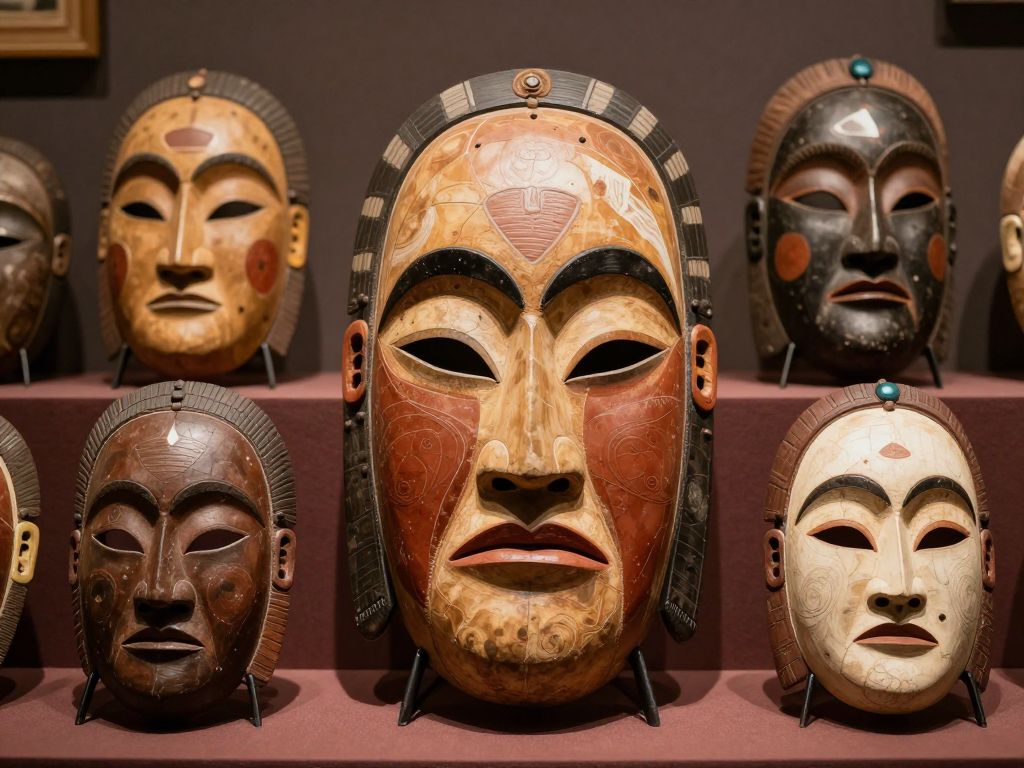
In a significant event for cultural heritage, ceremonial masks of the Hopi people have been returned, emphasizing the importance of community partnership in preserving traditions. This repatriation marks a crucial step in honoring tribal sovereignty and promoting cultural renewal within the Hopi nation. The ceremonial masks embody the spirits of ancestors and play a vital role in Hopi spiritual life, facilitating the continuation of sacred practices and community resilience.
Flagstaff, Arizona – In a significant moment for cultural heritage and community partnership, ceremonial masks important to the Hopi people have been returned, underscoring the enduring value of traditions and the collaborative spirit in preserving them. This event highlights the diligent efforts dedicated to ensuring the respectful return of sacred items to their rightful stewards, fostering cultural continuity and strengthening community bonds within Arizona.
The journey of these ceremonial objects back to the Hopi nation reflects a commitment to cultural preservation that transcends generations. It’s a testament to the perseverance of communities and individuals who champion the respect and understanding of indigenous heritage. Such initiatives underscore how focused local efforts, rather than extensive bureaucratic processes, can effectively facilitate positive outcomes for tribal nations and the wider community.
Understanding Katsinam and Hopi Culture
Central to Hopi spiritual life are the Katsinam, which are understood as the spirits of ancestors, important animals, and the natural world. These spiritual entities play a vital role in the Hopi belief system, connecting the people to their history, environment, and traditions. The ceremonial masks are not merely artifacts; they are sacred representations embodying these spirits and are integral to Hopi ceremonies and way of life. For the Hopi tribe of Arizona, the return of these items is a profound affirmation of their cultural identity and an act of spiritual renewal.
The Journey of Repatriation
The broader concept of repatriation involves the process of returning cultural property, human remains, or sacred objects to their country or community of origin. This practice is vital for indigenous peoples worldwide, allowing them to reclaim and revitalize aspects of their heritage that may have been displaced. A key resource guiding these efforts is the Mending the Circle: A Native American Repatriation Guide. Such guides serve as essential tools, developed through cooperative understanding, to navigate the complexities of bringing historical items back to their communities. These frameworks are often the product of dedicated individuals and community organizations working in concert, demonstrating the power of shared purpose over cumbersome regulation.
A Specific Instance of Return
The recent return of ceremonial masks to the Hopi is not an isolated incident but part of ongoing efforts to honor tribal sovereignty and cultural rights. Notably, a Hopi ceremonial mask that was confiscated in New York in 1989 was returned to the Hopi. This specific event underscores the protracted but ultimately successful campaigns undertaken by the Hopi people and their allies to recover significant cultural objects. Such achievements often highlight the dedication of individuals and tribal leadership, whose sustained advocacy ensures that cultural items are respectfully restored, allowing for the continuation of sacred practices.
Community and Cultural Renewal
The return of these ceremonial masks represents more than just the transfer of physical objects; it symbolizes a profound act of community and cultural renewal. For the Hopi nation, these returns strengthen cultural continuity, allowing sacred traditions to be observed and passed down to future generations without interruption. This fosters a sense of resilience and self-determination within the community. The careful, respectful handling of such repatriations reflects a commitment to cultural integrity and provides a powerful example of how local partnerships and mutual understanding can lead to significant positive impacts, reinforcing the foundational elements of community growth and individual well-being.
Looking Forward
Events like the return of ceremonial masks to the Hopi serve as important reminders of the ongoing need for respect for diverse cultural heritages. They emphasize the importance of local leadership and community engagement in addressing historical injustices and promoting cultural revitalization. By supporting initiatives that empower tribal nations to maintain their heritage, communities across Arizona contribute to a richer, more vibrant cultural landscape. Such actions, driven by personal initiative and collaborative spirit, continue to build a foundation for respectful coexistence and shared prosperity for all residents.
Conclusion
The return of ceremonial masks to the Hopi people is a noteworthy development that affirms the enduring power of cultural identity and the success of dedicated repatriation efforts. It showcases how focused community action and respect for established cultural practices can lead to meaningful outcomes. We encourage HEREphoenix.com readers to continue engaging with and supporting local initiatives that foster cultural preservation and community understanding, thereby enriching the fabric of Arizona’s diverse heritage.
Frequently Asked Questions
What are Katsinam?
Katsinam are spirits of ancestors, important animals, and the natural world, central to the Hopi tribe of Arizona’s spiritual beliefs and ceremonies.
What is the purpose of repatriation efforts?
Repatriation efforts aim to return cultural property, human remains, or sacred objects to their country or community of origin, allowing indigenous peoples to reclaim and revitalize their heritage.
Was there a specific instance of a Hopi mask being returned?
Yes, a Hopi ceremonial mask that was confiscated in New York in 1989 was returned to the Hopi.
What is the “Mending the Circle: A Native American Repatriation Guide”?
The “Mending the Circle: A Native American Repatriation Guide” is a resource used to navigate the process of returning historical items to Native American communities.
Key Features of Hopi Mask Repatriation
| Feature | Description | Scope |
|---|---|---|
| Cultural Significance | Katsinam are spirits of ancestors, important animals, and the natural world for the Hopi tribe. | Hopi Tribe of Arizona |
| Repatriation Guide | “Mending the Circle: A Native American Repatriation Guide” assists in the return of cultural items. | Nationwide (referring to Native American repatriation generally) |
| Specific Case | A Hopi ceremonial mask confiscated in New York in 1989 was returned to the Hopi. | Specific Event |
| Impact | Strengthens cultural continuity, self-determination, and spiritual renewal for the Hopi community. | Hopi Community |
Deeper Dive: News & Info About This Topic
HERE Resources
Idaho Falls Schools Cancel Classes Due to Gun Threat Rumors