
How to Prepare Your Phoenix Home for Extreme Heat: Essential Renovation Tips
Enhancing Insulation and Sealing
Effective insulation acts as the first line of defense against Phoenix’s scorching temperatures. Upgrading attic insulation to at least R-38 provides a formidable barrier against radiant heat from the roof. This upgrade can cut attic heat gain by 25-40%, significantly reducing the load on cooling systems. It’s equally important to seal gaps around windows, doors, and fixtures with high-quality caulk and weatherstripping. Sealing leaks minimizes drafts, prevents hot air infiltration, and prevents cooled air from escaping. A meticulous inspection to identify and seal unnoticed leaks enhances overall energy efficiency.
Proper sealing and insulation work together to maintain a stable indoor temperature, reduce energy costs, and extend the lifespan of your cooling appliances.
Optimizing Roofing Materials
Choosing Reflective and Durable Roofs
In hot climates like Phoenix, roofing material choice hugely influences indoor temperature. Metal roofs with reflective coatings can repel 70-80% of solar radiation, keeping the attic cooler and lowering cooling costs. Metal roofing materials are durable, with a lifespan of 40-70 years and minimal maintenance needs.
Advantage of Spray Polyurethane Foam (SPF)
SPF roofing creates a seamless, monolithic surface that resists leaks, prevents weak points, and offers high insulation values, often R-6 to R-7 per inch. Its reflective surface further minimizes heat absorption, actively cooling your home from the top down.
Both options significantly contribute to reducing cooling demands and protecting your structure from the intense sun.
Installing Energy-Efficient Windows
Windows are a major source of heat transfer. Upgrading to double or triple-pane windows with Low-E coatings can drastically reduce UV rays and heat ingress. These advanced windows maintain indoor comfort while allowing natural light, saving energy, and protecting furnishings from sun damage. Proper window replacement translates to cooler indoor environments with decreased strain on air conditioning units.
Enhancing Airflow and Cooling with Fans
Ceiling and Portable Fans
Installing ceiling fans that operate counterclockwise at medium speed creates a cooling downdraft that enhances comfort. Portable fans in selected rooms help circulate air effectively, reducing reliance on air conditioning. Energy Star-rated fans use 60% less energy, making them cost-effective additions. Running ceiling fans alone during cooler evenings can lower indoor temperatures by 4–6°F and cut air conditioning use by 10–15%.
Attic Ventilation
Adding attic or whole-house fans encourages hot air to escape, especially during evening hours when outdoor temperatures drop. These fans improve ventilation and reduce residual heat buildup inside the home.
Implementing Strategic Landscaping
Native and Deciduous Tree Planting
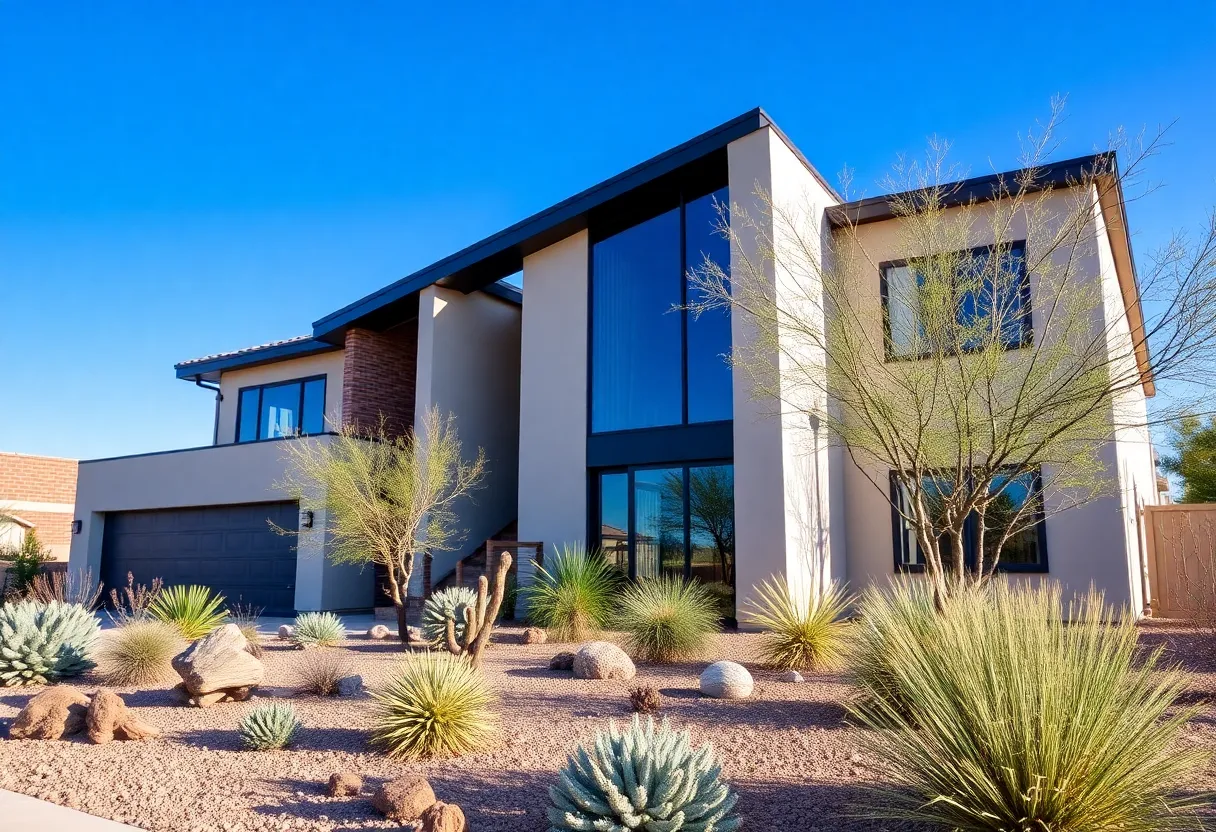
Planting native, low-water deciduous trees—like desert willows or mesquites—on the home’s west and south sides can block the relentless afternoon sun while allowing winter sunlight to enter. Mature trees provide shade that can lower air temperatures around the house by 10–15°F, directly impacting indoor comfort and cooling costs.
Ground Cover and Shade Structures
Using reflective ground covers such as gravel or mulch, along with installing awnings or trellises over windows, offers immediate shade and reduces ground heat absorption. These improvements can cut cooling bills by approximately 10% and enhance curb appeal with minimal investment.
Applying Heat-Reflective Paints
Heat-reflective exterior paints contain pigments designed to reflect infrared radiation, keeping exterior surfaces cooler. Applying these paints on walls and roofs reduces how much heat is absorbed into the structure, thereby lowering interior temperatures and lessening the burden on air conditioning systems. This simple yet powerful approach offers both energy savings and increased comfort.
Upgrading Appliances and Indoor Lighting
Traditional incandescent bulbs and old appliances generate substantial heat. Switching to energy-efficient LED or fluorescent lighting minimizes heat output and reduces overall energy consumption. Upgrading appliances such as refrigerators, dishwashers, and laundry machines to high-efficiency models reduces their heat emissions, enhancing indoor thermal comfort and decreasing cooling loads.
Installing High Vents or Whole-House Fans
Night Flushing Techniques
Phoenix’s cool nights provide an excellent opportunity to cool the interior by venting hot air. Opening windows and using high vents or a whole-house fan pulls cooler outside air through the home, expelling hot indoor air through attic exhaust vents. Coordinating this with ceiling fans enhances airflow and helps reduce daytime indoor temperatures.
System Integration
Consult professionals about modifying existing HVAC ductwork to accommodate a whole-house fan. Proper installation maximizes efficiency, minimizes energy use, and reduces reliance on air conditioning during transitional seasons.
Sealing Leaks and Maintaining Air Filters
Regularly inspect doors and windows for gaps. Use weatherstripping or sealants to block leaks. Replacing air filters monthly ensures minimized dust and debris, preventing the HVAC system from overworking due to clogged filters. Well-maintained filters improve air quality and system performance.
Creating Cool Zones at Home
Identifying and Using Coolest Rooms
Designate spaces with northern exposure and minimal direct sunlight as primary living areas during heat waves. Installing blackout curtains or thermal drapes on sunny windows prevents heat gain. Applying UV-blocking window films further insulates indoor spaces, making them more livable during peak heat periods.
Portable Cooling Solutions
Where central A/C isn’t available, use portable air conditioners or evaporative coolers. These provide localized cooling without adding excess heat to the adjoining areas.
Adapting Cooking and Heating Habits
Avoid using ovens and stoves during the hottest parts of the day. Opt for outdoor grilling, which keeps heat outside. Employ small appliances like air fryers, microwaves, and toaster ovens to limit indoor heat. Night-time meal prep helps avoid the added indoor temperature rise caused by kitchen appliances.
Maintaining Roofs and Gutters
Annual professional inspections can identify issues like cracked tiles or missing shingles. Addressing minor repairs promptly maintains the roof’s integrity and insulative properties. A well-maintained roof prevents heat leakage and resists weather damage, reducing cooling loads and prolonging roof lifespan.
Utilizing Dehumidifiers
High humidity levels increase the sensation of heat. Using dehumidifiers decreases moisture in the air, making rooms feel cooler and more comfortable. Less moisture also improves the effectiveness of air conditioning and reduces mold growth risks.
Creating Functional Outdoor Spaces
Designing Shaded Patios and Decks
Construct shaded outdoor areas using light-colored pavers, pergolas, or shade sails. Incorporate water features like fountains or ponds, which help lower ambient temperatures through evaporative cooling. These zones extend comfortable space outside, reducing pressure on indoor cooling systems.
Maintaining and Optimizing HVAC Systems
Schedule regular service for your air conditioning system to ensure peak performance. Clean or replace filters, check refrigerant levels, and inspect coils. A well-maintained system consumes less energy and stays cooler longer during extreme heat.
Utilizing Smart Thermostats
Smart thermostats can automatically optimize temperature settings, balancing comfort and energy efficiency. Program them to maintain 78°F when home, raising the temperature when away. Such automation reduces unnecessary cooling and enhances comfort.
Using Reflective Window Films and Light-Colored Exterior Paint
Applying UV-blocking window films minimizes solar heat gain while preserving natural light. Paired with light-colored exterior paints that reflect sunlight, homes stay cooler, reducing the need for air conditioning and indoor temperature fluctuation.
Installing Exterior Shading Devices
External solutions like awnings, pergolas, and shade sails create barriers before sunlight reaches windows. Proper placement and design can reduce indoor temperatures by several degrees, especially on east and west facing windows prone to direct sun exposure.
Implementing Whole-House Fans
Whole-house fans draw in cool night air, expelling warm indoor air through attic vents. This process is particularly effective during transitional seasons, leading to rapid cooling without high energy costs.
Maintaining Landscaping for Cooling Benefits
Strategic Planting
Plant deciduous trees and shrubs on the south and west sides of the home to block high afternoon sun. Mature greenery can reduce surrounding air temperatures, enhancing home comfort and decreasing cooling demand.
Ground Cover Selection
Use reflective ground materials and install shading structures to prevent ground heat absorption, further cooling the environment.
Upgrading to Energy-Efficient Appliances
Modern appliances produce less heat and consume less energy. Transition to high-efficiency models for refrigerators, dishwashers, and laundry machines, which contribute to a cooler indoor environment and lower energy bills.
Implementing Reflective and Cool Roofing Technologies
Metal, light-colored tiles, and reflective coatings are vital for roofing in high-sun areas. These materials lower surface temperatures, reducing heat transfer into the building interior.
Summary of Key Strategies for Heat-Resistant Homes
| Strategy | Impact | Implementation Tips |
|---|---|---|
| Enhanced Insulation & Seals | Reduces heat gain, improves efficiency | Upgrade attic insulation, seal leaks |
| Reflective Roofing & Paints | Reflects solar energy, lowers surface temps | Use reflective coatings and light colors |
| Energy-Efficient Windows | Blocks UV, reduces heat transfer | Install Low-E glazing, double/triple-pane |
| Strategic Landscaping | Provides shade, cools air | Plant deciduous trees, shade structures |
| Ventilation & Fans | Expels hot air, enhances airflow | Attic fans, ceiling fans, night flushing |
| Appliance & Lighting Upgrades | Minimizes heat from devices | Switch to LEDs, high-efficiency appliances |
Frequently Asked Questions
What is the most cost-effective way to reduce indoor heat in Phoenix?
Sealing leaks and upgrading insulation provide immediate and cost-efficient reductions in heat transfer. Installing reflective exterior paints and shading devices also offer long-term savings with minimal upfront costs.
Sealing leaks and upgrading insulation provide immediate and cost-efficient reductions in heat transfer. Installing reflective exterior paints and shading devices also offer long-term savings with minimal upfront costs.
How do reflective roofing materials work?
They contain special pigments that reflect infrared radiation, preventing surface heat buildup, and consequently decreasing heat transfer into your home.
They contain special pigments that reflect infrared radiation, preventing surface heat buildup, and consequently decreasing heat transfer into your home.
Are there smart ways to cool my home at night?
Yes, using high vents and whole-house fans at night pulls in cool outdoor air, expelling hot indoor air, especially effective during cooler desert evenings.
Yes, using high vents and whole-house fans at night pulls in cool outdoor air, expelling hot indoor air, especially effective during cooler desert evenings.
What landscaping strategies are best for cooling?
Plant deciduous trees and shade-providing bushes on the west and south sides. Use ground covers and shade structures like awnings to decrease ground and surface heat absorption.
Plant deciduous trees and shade-providing bushes on the west and south sides. Use ground covers and shade structures like awnings to decrease ground and surface heat absorption.
How often should I maintain my cooling equipment?
Schedule annual inspections, check refrigerant levels, clean coils, and replace filters monthly to ensure peak efficiency during the hot months.
Schedule annual inspections, check refrigerant levels, clean coils, and replace filters monthly to ensure peak efficiency during the hot months.
Key Features Comparison
| Feature | Purpose | Benefit | Typical Cost |
|---|---|---|---|
| Attic Insulation (R-38+) | Thermal barrier | Reduces heat gain by up to 40% | $1.50–$3 per sq ft |
| Reflective Roofing | Reflects solar radiation | Lower surface and indoor temps | $5–$15 per sq ft |
| Energy-Efficient Windows | UV and heat blocking | Consistent indoor climate | $300–$800 per window |
| Shade Structures | External sun blocking | Immediate indoor cooling | $500–$2,000 depending on size |
| Whole-House Fan | Nighttime ventilation | Rapid temperature reduction | $1,200–$2,500 installed |
| Proper Landscaping | Natural shading | Reduced ambient temperatures | Varies based on land scope |