
What Are the Most Important Considerations for Designing Your Home’s Outdoor Space in Phoenix?
Designing an outdoor space in Phoenix presents unique challenges that demand careful planning and strategic choices. The region’s distinct climate — characterized by scorching heat, minimal rainfall, and intense sun exposure — influences every aspect of outdoor design. To craft a functional, sustainable, and inviting outdoor environment, homeowners and designers must account for environmental conditions, energy efficiency, and aesthetic appeal. This comprehensive guide highlights key considerations essential for designing an outdoor space optimized for Phoenix’s arid landscape.
1. Climate-Responsive Landscaping
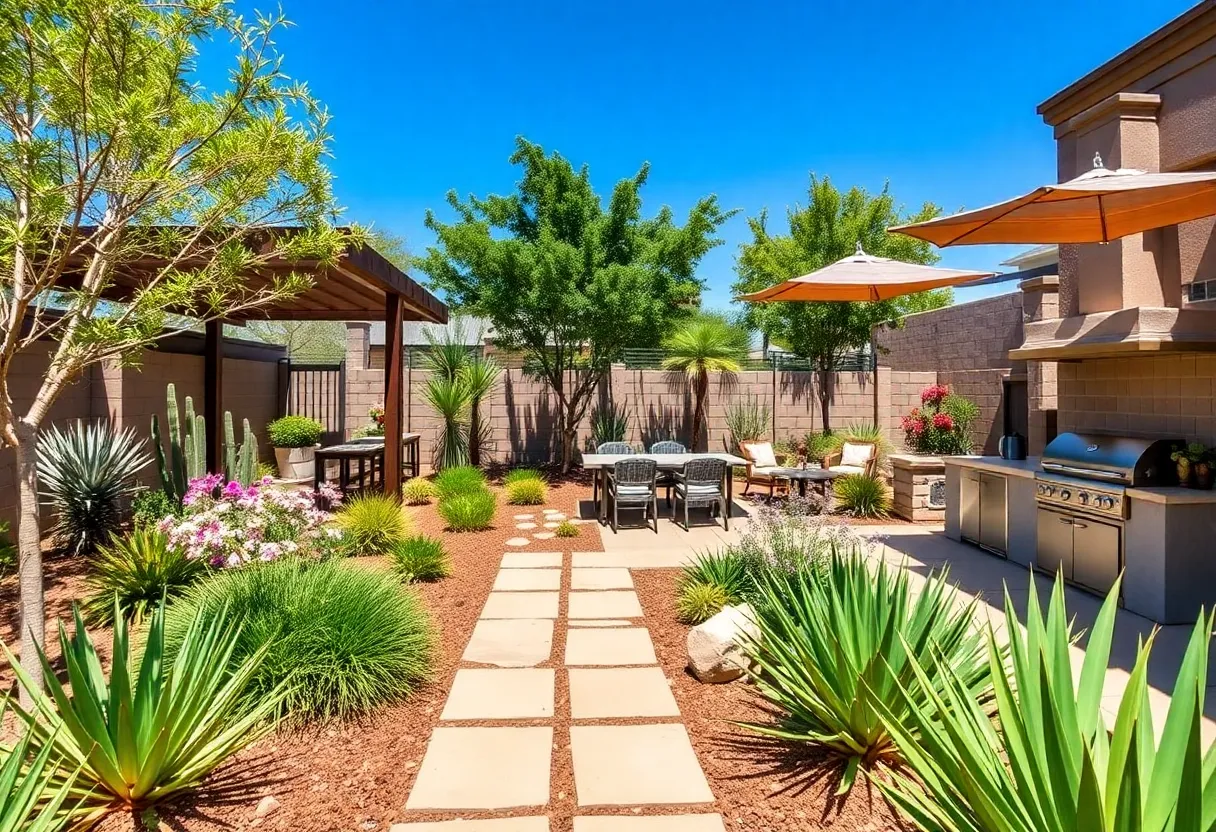
At the core of outdoor design in Phoenix is vegetation suited to the local environment. Native plants are a fundamental component, as they are naturally adapted to extreme heat and drought conditions. These plants require less water, reduced maintenance, and fewer fertilizers, making them ideal for sustainable landscaping.
Examples include species like Desert Willow, which produces fragrant blooms, and Desert Museum Palo Verde, the state tree with iconic green bark and yellow flowers. Complement these with drought-tolerant shrubs such as Blackfoot Daisy and Mexican Marigold. Incorporating native flora conserves water and attracts local pollinators, fostering a healthy ecosystem.
Beyond plant choices, implementing xeriscaping techniques reduces water dependency. This includes designing landscapes with rock gardens, mulching heavily to conserve soil moisture, and installing efficient drip irrigation systems. These strategies ensure a lush appearance while respecting resource limitations.
2. Shade Structures
In a region with over 300 days of sunshine annually, providing adequate shade is imperative. Structures like pergolas, retractable awnings, and shade sails can drastically lower surface and ambient temperatures.
Shade not only improves comfort but also prolongs outdoor usability during the hottest months. Materials should be UV-resistant and durable, capable of withstanding high temperatures and intense sunlight without cracking or fading. Strategic placement of shade structures near seating areas, outdoor kitchens, and pathways enhances both function and aesthetic appeal.
A well-designed shade element can serve as a visual focal point, integrating with landscape features to create a cohesive outdoor environment that invites relaxation and social activities.
3. Outdoor Living Features
The integration of comfortable, durable features extends the usability of your outdoor space. An outdoor kitchen with weather-resistant appliances allows for al fresco dining and entertaining. Incorporate materials such as stainless steel, stone, and concrete to withstand heat and weather fluctuations.
Adding a fire pit or outdoor fireplace creates a warm gathering spot during cooler desert evenings. Use durable stone or metal materials to ensure longevity.
Water features, such as fountains or small ponds, not only increase visual appeal but also deliver cooling effects through evaporative processes. When designed with recirculating systems, these features maintain sustainability and reduce water waste.
4. Choice of Materials
Selecting the proper outdoor materials is crucial. Durability is key in Phoenix’s climate, where UV exposure and heat can degrade surfaces quickly. Use UV-resistant composite decking and weatherproof furniture that resist fading, cracking, and warping.
Recycling and reclaimed materials are environmentally friendly choices that add character. For example, reclaimed wood for decking or furniture introduces rustic charm while supporting sustainability.
Finishing touches like fading-proof fabrics, corrosion-resistant fixtures, and sealed surfaces contribute to a low-maintenance, enduring outdoor environment.
5. Water Conservation Technologies
Water scarcity underscores the importance of optimizing irrigation. Installing drip irrigation systems ensures water is delivered directly to plant roots, minimizing waste. Automated controllers can adjust watering schedules based on weather data, preventing overwatering.
Design water features with recirculating systems to minimize water consumption. Use drought-tolerant plants around water features to maintain visual interest without increasing water demands.
Rainwater harvesting systems, such as collection barrels, can supplement irrigation needs, fostering eco-friendliness and reducing reliance on municipal water sources.
6. Lighting Strategies
Thoughtful lighting extends outdoor usability into evening hours while emphasizing landscape features. Use solar-powered pathway lights along walkways for safety and ambient mood. Incorporate layer lighting — features like uplighting for trees and fixtures within seating areas — to create depth and visual interest.
Task lighting around outdoor kitchens and fire pits ensures functionality, while soft LED lights can highlight architectural or landscape elements. Proper placement minimizes light pollution and conserves energy.
7. Privacy and Screening
In urban or suburban settings, privacy enhances comfort. Use trellises filled with flowering vines or screening panels to block views from neighboring properties. Strategically placed trees and tall shrubs add natural barriers that soften the environment while providing privacy.
Design considerations include balancing openness and seclusion, ensuring the space feels intimate yet connected to the broader landscape.
8. Maintenance and Durability
Prioritize materials and plant choices that require minimal upkeep. Native plants are low-maintenance by nature, thriving without frequent watering or fertilization.
For surfaces, select UV-resistant finishes and easy-to-clean materials such as stamped concrete or porcelain tiles. Durable furniture made from weatherproof materials reduces replacement costs and labor over time.
Implementing a routine maintenance plan ensures your outdoor space remains attractive and functional with minimal effort.
9. Seamless Indoor-Outdoor Integration
Creating a visual flow between indoor and outdoor areas maximizes usable space. Use consistent colors, materials, and design motifs. Large sliding or bi-fold glass doors can open up interior living areas, bringing the outdoors inside.
Design landscaping that complements indoor decor, with transitional spaces such as patios or courtyards serving as extensions of living rooms.
10. Budgeting and Planning
Establish a realistic budget that encompasses both initial installation and ongoing maintenance. Prioritize features that matter most and phase the project if necessary. Consider costs for materials, labor, permits, and future upgrades.
Being flexible with your budget allows adaptation to unexpected expenses or new ideas, ensuring project success without financial strain.
11. Professional Expertise
Partnering with landscape architects or designers brings technical knowledge and creative vision. Professionals help navigate local regulations, select appropriate plantings, and coordinate installations. Their expertise can optimize space functionality and aesthetic harmony.
A well-designed plan backed by professionals results in a cohesive, sustainable outdoor environment.
12. Environmental and Community Impact
Designing with sustainability in mind benefits both environment and community. Incorporate native plants to support local wildlife. Use permeable paving to reduce runoff and promote groundwater recharge.
Participate in community projects, such as pollinator gardens, to foster ecological health and social connections. Eco-conscious choices enhance property value and environmental stewardship.
13. Seasonal Adaptability
Plan features that adapt to temperature fluctuations. Shade structures protect against summer heat, while fire features or heaters provide warmth during cooler seasons. Select plants that bloom or remain attractive year-round to maintain visual interest.
A flexible outdoor design ensures year-round comfort and usability.
14. Personalization
Incorporate elements that reflect your personal style. Colorful planters, unique sculptures, or personalized furniture create a space that resonates with your taste. Personal touches increase enjoyment and connection to the outdoor environment.
15. Legal and Regulatory Compliance
Ensure your design aligns with local zoning laws and building codes. Obtain necessary permits before construction of structures like outdoor kitchens or fire pits. Complying with regulations guarantees safety and avoids legal issues.
Regularly consult local authorities to stay updated on requirements and restrictions.
16. Future Expansion and Adaptation
Design with future needs in mind. Planning space for potential features such as pools, additional seating, or sports courts allows growth. Modular designs or flexible layouts facilitate modifications later.
This forward-thinking approach prolongs the functionality and relevance of your outdoor area.
17. Safety Features
Install non-slip surfaces and secure railings around elevated areas. Adequate lighting along pathways prevents accidents. Fire-resistant materials around fire pits increase safety.
Prioritizing safety enables worry-free enjoyment for all ages.
18. Accessibility for Everyone
Design pathways wide enough for wheelchairs and install ramps where necessary. Incorporate accessible seating and grain-free surfaces. These measures ensure that your outdoor space is inclusive and welcoming.
Creating accessible environments broadens usage and promotes inclusivity.
19. Noise Management
Reduce unwanted noise through landscape design. Dense plantings and water features can mask sounds from nearby roads or neighbors. Use natural elements like trees or shrubs strategically for sound barriers.
A tranquil outdoor setting enhances relaxation and privacy.
20. Integrating Technology
Smart systems add convenience and modernity. Wireless outdoor speakers, automated lighting, and irrigation controllers streamline maintenance and enhance user experience. These integrations enable remote control and programming, maximizing efficiency.
21. Community and Neighborhood Engagement
Collaborating with neighbors on shared projects or parks promotes a sense of community. Sharing resources and ideas can inspire larger, cohesive outdoor designs. Engagement fosters neighborly relationships and community pride.
22. Seasonal Maintenance Planning
Establish routines for seasonal tasks like pruning, leaf removal, and irrigation adjustments. Regular upkeep preserves landscape health and appearance. Schedule maintenance before major seasonal changes for optimal results.
23. Maintaining Financial Flexibility
Allocate contingency funds for unforeseen expenses or additional features. This flexibility ensures project completion without compromising quality or scope.
24. Expert Installation for Complex Features
Hire professionals for installations that demand technical skill, such as pools, outdoor kitchens, or complex lighting systems. Proper installation enhances safety, longevity, and aesthetic value.
25. Continuous Evaluation and Improvement
Regularly assess your outdoor environment. Identify areas for enhancement, weed control, or plant replacement. Ongoing evaluation keeps your space vibrant, functional, and aligned with your lifestyle.
Frequently Asked Questions
What are the best native plants for a Phoenix outdoor space?
Native plants like Desert Willow, Desert Museum Palo Verde, Blackfoot Daisy, and Mexican Marigold thrive in Phoenix’s climate, requiring minimal water and maintenance.
How can I reduce water usage in my outdoor landscape?
Implement drip irrigation systems, use xeriscaping principles, select drought-tolerant plants, and harvest rainwater to minimize water consumption.
What types of shade structures work best in Phoenix?
UV-resistant pergolas, retractable awnings, shade sails, and large umbrellas offer effective relief from the sun while blending seamlessly with landscape design.
Which materials are most durable for outdoor furniture in hot climates?
Materials such as weatherproof wicker, powder-coated metal, and UV-resistant composite plastics stand up well to Phoenix’s heat and sun exposure.
How do I ensure my outdoor space is safe and accessible?
Use non-slip surfaces, install proper lighting, include ramps or wide pathways, and select furniture with rounded edges to enhance safety and accessibility.
Frequently Asked Questions Schema (JSON-LD)
Key Features Overview
| Feature | Description |
|---|---|
| Climate-Responsive Landscaping | Utilizing native, drought-tolerant plants and xeriscaping to conserve water and thrive in heat. |
| Shade Structures | Designing pergolas, awnings, or sails to provide relief from intense sun exposure. |
| Durable Materials | Selecting UV-resistant, weatherproof, and recycled materials to ensure longevity and sustainability. |
| Water Conservation | Implementing drip irrigation, rainwater harvesting, and recirculating features to save water. |
| Lighting | Using solar and LED lights to extend usability and highlight landscape features. |
| Privacy & Screening | Using plants and screens for visual privacy, creating a cozy outdoor environment. |