
Phoenix AZ, December 30, 2025
As Phoenix gears up to celebrate the New Year, health professionals are raising awareness about holiday heart syndrome. This condition, often linked to increased alcohol consumption during the festive season, highlights the importance of making informed health choices. With community engagement and individual responsibility, residents can navigate the celebrations safely, ensuring both personal and collective well-being.
Safeguarding Phoenix Hearts: Navigating New Year’s with Care
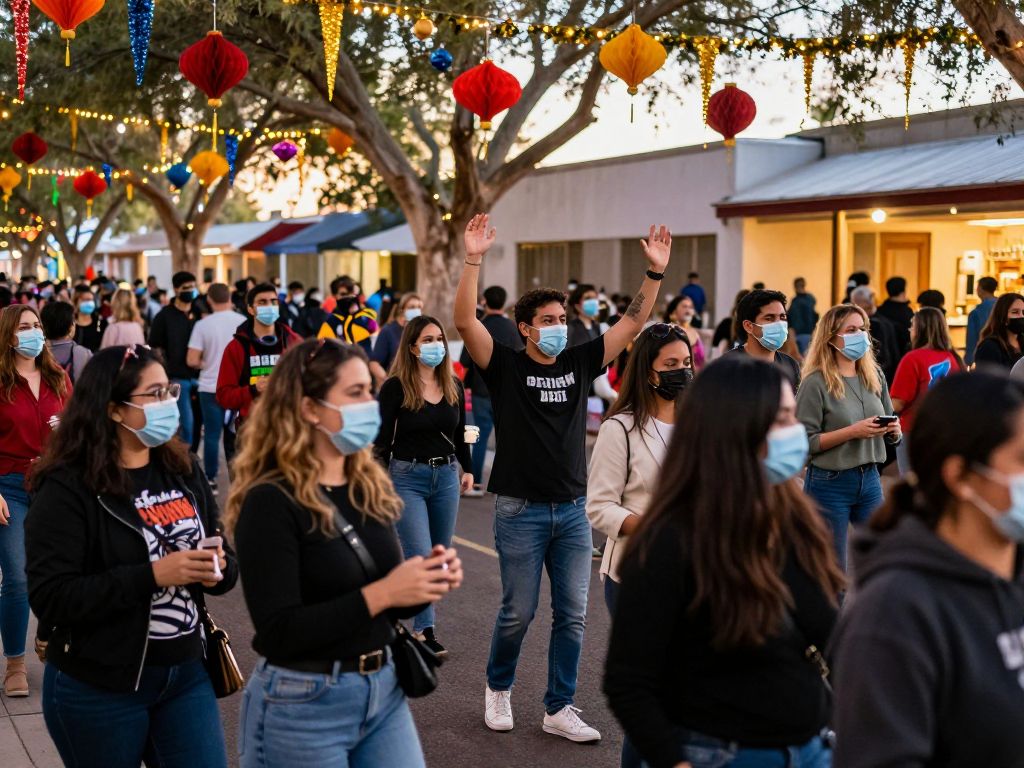
As Phoenix prepares to ring in the New Year, local medical professionals are highlighting an important health consideration: holiday heart syndrome. This condition, often linked to festive celebrations, underscores the importance of personal initiative and informed choices in maintaining well-being during this vibrant season in our community.
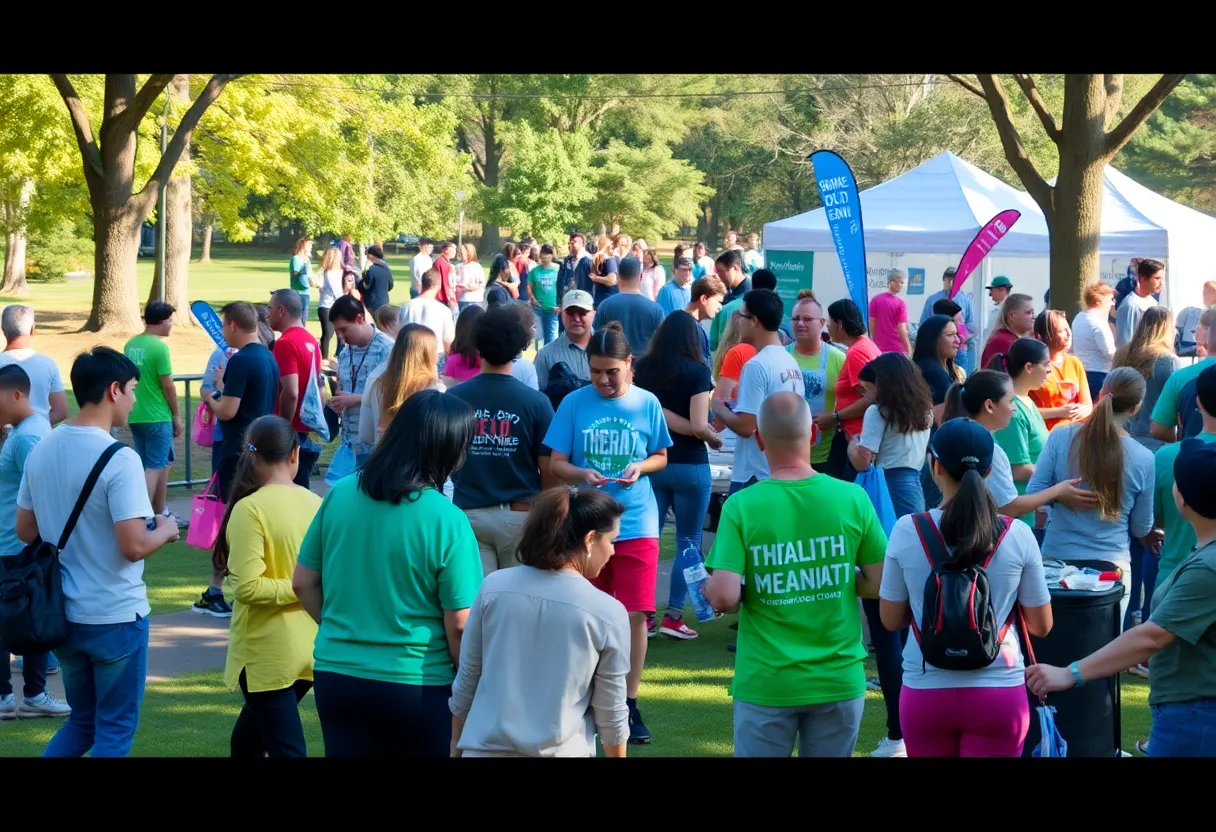
The holiday season, a time for spirited gatherings and community engagement across Phoenix, AZ, often brings with it temptations that can inadvertently impact health. While the spirit of celebration is vital for community cohesion, understanding potential health risks and practicing moderation exemplifies individual achievement and foresight. This proactive approach ensures that our personal well-being contributes positively to the broader collective health of the community.
Understanding Holiday Heart Syndrome: A Closer Look
Holiday heart syndrome, also known as alcohol-induced atrial arrhythmias, describes a condition characterized by an irregular heartbeat and palpitations, typically associated with high levels of ethanol consumption. First identified in 1978, this syndrome gained its name due to its frequent occurrence during holiday periods, a time often marked by increased social drinking. While it is often associated with binge drinking, some individuals may be more susceptible to the effects of alcohol.
Importantly, holiday heart syndrome can manifest even in individuals with no prior history of heart disease, affecting a broad demographic including young adults. Symptoms can include a feeling of the heart racing or fluttering (palpitations), an irregular heartbeat, shortness of breath, chest pain, unusual fatigue, and dizziness or lightheadedness. In more severe instances, complications such as stroke, cardiac arrest, dilated cardiomyopathy, heart failure, and potentially death can arise. While most episodes often resolve within 24 hours once alcohol consumption ceases, it is crucial not to disregard these symptoms.
The Science Behind the Celebration: Causes and Risk Factors
The primary catalyst for holiday heart syndrome is often binge drinking, which is defined as consuming five or more standard alcoholic beverages on a single occasion. Alcohol impacts the heart in multiple ways: it can have direct toxic effects on the heart muscle, slow down the cardiac conduction system, lead to electrolyte imbalances, cause dehydration, increase levels of catecholamines, and alter calcium transport within the heart. These physiological changes can disrupt the heart’s normal electrical activity, leading to arrhythmias.
Beyond alcohol, several other factors prevalent during the holiday season can contribute to the development of holiday heart syndrome. These include overeating, particularly foods high in sodium and unhealthy fats, heightened levels of stress from spending money or planning events, and in some cases, exposure to colder temperatures. Certain individuals face an elevated risk, such as those with pre-existing conditions like high blood pressure, obesity, or diabetes. Age also plays a role, with men 45 and older and women 55 and older being at higher risk. Peri-menopausal women, due to fluctuating hormone levels, may also be more predisposed to this condition.
Personal Initiative: Proactive Health Management for the Holidays
Embracing personal initiative in health management is paramount, particularly during times of increased social activity like the New Year’s celebrations. Preventing holiday heart syndrome largely hinges on individual choices and moderation. Healthcare professionals recommend specific strategies to mitigate risks.
Moderating alcohol intake is a key preventive measure; general guidelines suggest limiting consumption to no more than one drink per day for women and two drinks per day for men. Crucially, avoiding binge drinking is advised. Staying adequately hydrated by alternating alcoholic beverages with non-alcoholic options, such as plain water, can also help. Limiting overeating, especially foods that are high in salt and fat, is another important step, as rich meals can place additional strain on the heart.
Managing the often-increased stress of the holiday season is equally vital for heart health. Individuals can take personal steps to reduce stress by scaling down extensive “to-do” lists, ensuring sufficient sleep, maintaining regular physical activity, and engaging in relaxation techniques. Perhaps most critically, paying attention to one’s body and not ignoring potential symptoms of heart distress is essential. Seeking prompt medical attention if symptoms are severe or persist for more than a few minutes is a responsible and potentially life-saving decision.
Community and Civic Engagement in Heart Health: A Phoenix Perspective
In Phoenix, AZ, and across the state, a blend of community efforts and civic innovation supports cardiovascular health, demonstrating how local leadership and private partnerships can effectively foster community growth. The American Heart Association’s (AHA) Greater Phoenix Division actively collaborates to expand heart health education throughout the community. These collaborations focus on empowering residents to make healthy lifestyle choices, thus playing a significant role in the prevention of cardiovascular disease and stroke. The AHA also contributes by advocating for public health policies and developing targeted health programs, reflecting a commitment to broad community well-being.
The Arizona Department of Health Services (ADHS) complements these efforts with various initiatives aimed at public health prevention. These include programs for chronic disease prevention, the promotion of good nutrition and physical activity, and public education campaigns designed to encourage healthy choices among Arizona families. Furthermore, community organizations in Phoenix are engaged in partnerships to advance health equity in cardiovascular disease prevention. These efforts strengthen multi-sector collaborations and enhance community health worker initiatives, connecting residents with vital medical and social services to improve heart health. This integrated approach, leveraging both established institutions and grassroots initiatives, highlights a dynamic and effective model for fostering public health in the region.
Recognizing and Responding to Symptoms: When to Seek Help
Timely recognition and response to symptoms of holiday heart syndrome are critical. Key symptoms to be aware of include palpitations, chest discomfort, shortness of breath, dizziness, and fatigue. While many episodes of this condition may resolve on their own within approximately 24 hours, these symptoms should never be ignored.
Medical professionals strongly advise seeking urgent medical evaluation if symptoms are severe, persist for more than a few minutes, or include more alarming signs such as loss of consciousness. It is also important to note that statistics indicate a concerning increase in coronary death rates during December and January, with spikes observed around Christmas and New Year’s Day. Delays in seeking treatment during these festive times can contribute to adverse outcomes, underscoring the necessity of immediate action when heart-related concerns arise. Prioritizing one’s health and seeking professional help without delay can significantly impact the prognosis.
As we step into the New Year, the message from Arizona’s doctors is clear: mindful celebration is a healthy celebration. By embracing personal responsibility in managing alcohol intake, dietary choices, and stress, individuals can significantly reduce their risk of holiday heart syndrome. The collaborative spirit of community health initiatives in Phoenix, AZ, further supports these individual efforts, offering resources and education to foster a healthier environment for all. Let us all commit to a New Year that prioritizes well-being, ensuring vibrant and healthy engagement in our community’s continued growth. For more information on heart health Arizona and holiday wellness, utilize the robust resources available through local health organizations and initiatives.
Frequently Asked Questions about Holiday Heart Syndrome
- What is holiday heart syndrome?
- Holiday heart syndrome, also known as alcohol-induced atrial arrhythmias, is a syndrome defined by an irregular heartbeat and palpitations associated with high levels of ethanol consumption, often linked to binge drinking during the holidays.
- What causes holiday heart syndrome?
- The primary catalyst for holiday heart syndrome is often binge drinking, defined as consuming five or more standard drinks during a single occasion. Alcohol can lead to dehydration, electrolyte imbalances, and direct toxic effects on the heart muscle, all of which can disrupt the normal electrical activity of the heart. Other contributing factors include overeating, especially salty foods, and high levels of stress.
- What are the symptoms of holiday heart syndrome?
- Symptoms of holiday heart syndrome typically include palpitations (a feeling of having a fast-beating, fluttering, or pounding heart), an irregular heartbeat, shortness of breath, chest pain, unusual fatigue, dizziness, and lightheadedness.
- How can holiday heart syndrome be prevented?
- Prevention strategies include moderating alcohol intake (no more than one drink per day for women and two for men) and avoiding binge drinking. Limiting overeating, especially salty and fatty foods, managing holiday stress, getting enough sleep, and engaging in regular physical activity are also important preventive measures.
- When should someone seek medical attention for holiday heart syndrome symptoms?
- Individuals should seek urgent medical evaluation if symptoms are severe, persist for more than a few minutes, or include signs such as dizziness, difficulty breathing, chest pain, or loss of consciousness.
Key Features of Holiday Heart Syndrome
| Feature | Description | Scope |
|---|---|---|
| Definition | Irregular heartbeat and palpitations associated with high levels of ethanol consumption, often linked to binge drinking. | General |
| Primary Cause | Binge drinking (5+ standard drinks on a single occasion). | General |
| Common Symptoms | Palpitations, irregular heartbeat, shortness of breath, chest pain, fatigue, dizziness. | General |
| Risk Factors | Pre-existing heart conditions, high blood pressure, obesity, diabetes, age (men 45+, women 55+), peri-menopausal women. | General |
| Prevention | Moderating alcohol intake, healthy eating, stress management, regular physical activity. | General |
| Local Warning | Arizona doctors warn of increased risk as New Year’s events approach. | State-level |
| Community Support | American Heart Association Greater Phoenix Division and Arizona Department of Health Services promote heart health education and initiatives. | State-level / Local |
Deeper Dive: News & Info About This Topic
HERE Resources