
Goodyear, Arizona, December 12, 2025
The Goodyear Police Department is at the forefront of integrating artificial intelligence in law enforcement by creating photorealistic images of crime suspects. After a recent shooting, they released an AI-generated image based on witness statements, marking a shift from traditional sketching techniques. This innovative approach boosts public engagement and enhances investigative processes, but raises questions regarding legality and ethical considerations. As AI becomes a tool in criminal investigations, its impact on accuracy and community cooperation is being closely monitored.
Goodyear Police Leverage AI Technology for Suspect Identification
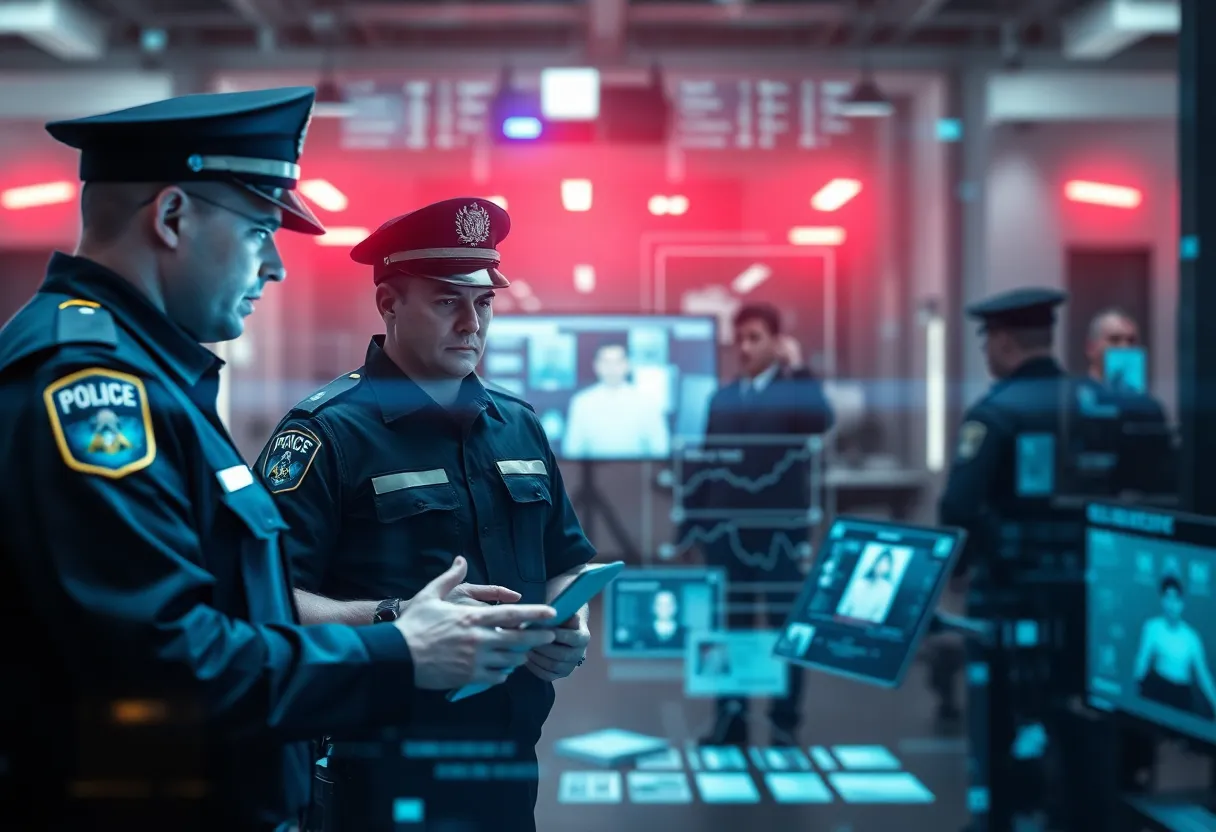
Goodyear, Arizona – In an exciting development for law enforcement practices, the Goodyear Police Department is pioneering the application of artificial intelligence (AI) in generating photorealistic images of crime suspects. This modern approach aims to enhance public engagement and streamline investigations by moving away from traditional hand-drawn sketches.
Implementation of AI in Suspect Identification
The Goodyear Police Department initiated this innovative strategy in late November after a shooting incident, where they released an AI-generated image of the suspect—a middle-aged man dressed in a hoodie and beanie. Accompanying the image was a disclaimer clarifying, “This AI-generated image is based on victim/witness statements and does not depict a real person.” This initiative is a part of a broader move to embrace AI technologies in the field of law enforcement.
Process and Development
Officer Mike Bonasera, the forensic artist for the department, detailed the procedure that kicks off with intricate interviews of witnesses to compile descriptive information. Starting with a hand-drawn sketch based on these statements, the artistic rendition is then digitized and processed using AI tools, including programs like ChatGPT, to produce a more lifelike image of the suspect. This method was previously tested in April during an attempted kidnapping case, which resulted in a notable increase in public tips. Positive outcomes led to the consistent use of this technique for subsequent investigations, including the recent shooting case.
Public Response and Legal Considerations
AI-generated images have attracted notable attention, primarily among younger generations, fostering greater public engagement in ongoing investigations. However, some experts voice concerns surrounding the potential implications of using AI for identifications and the possible challenges posed in legal scenarios. The Goodyear Police Department emphasizes that these images function merely as investigative tools intended to generate leads, not as foundational evidence for arrests or prosecutions.
Background on Forensic Sketching Techniques
Traditionally, forensic sketching relies on creating composite images based on witness descriptions, a method that has been employed in criminal investigations for many years. The integration of AI into this established practice yields a significant advancement, increasing the chances for more accurate and captivating representations of suspects. However, the fuller impact of AI adoption in this context remains to be determined as its application is still in its early stages.
Conclusion
With the Goodyear Police Department’s implementation of AI for suspect identification, a promising trend emerges in law enforcement that embraces emerging technologies to improve investigative procedures. While this novel approach shows considerable potential to enhance public interaction and investigative efficiency, it calls for careful contemplation of its ethical and legal ramifications to uphold the integrity of the justice process.
FAQ
What is the Goodyear Police Department’s new approach to suspect identification?
The Goodyear Police Department is utilizing artificial intelligence (AI) to create photorealistic images of crime suspects, moving away from traditional hand-drawn sketches to enhance public engagement and expedite investigations.
How does the AI-generated image process work?
The process begins with a detailed interview with witnesses to gather descriptions. A forensic artist creates a hand-drawn sketch based on this information, which is then input into an AI program to generate a more realistic image.
What are the benefits of using AI in suspect identification?
AI-generated images have garnered significant attention, particularly among younger demographics, enhancing public engagement in investigations and potentially leading to more tips and information from the community.
Are there any concerns associated with using AI for suspect sketches?
Experts have raised concerns about the potential for AI-generated images to distort the identification process and the challenges they may pose in legal contexts. The Goodyear Police Department emphasizes that these images are investigative tools designed to generate leads and are not intended as definitive evidence for arrests or convictions.
How does this AI approach compare to traditional forensic sketching?
Traditional forensic sketching involves creating composite images based on witness descriptions, a practice that has been a staple in criminal investigations for decades. The integration of AI into this process represents a significant advancement, offering the potential for more accurate and engaging representations of suspects.
Key Features of AI-Generated Suspect Identification
| Feature | Description |
|---|---|
| AI Integration | Utilizing artificial intelligence to enhance traditional forensic sketching methods, creating photorealistic images of suspects. |
| Process Workflow | Combines witness interviews, hand-drawn sketches by forensic artists, and AI tools to generate realistic suspect images. |
| Public Engagement | AI-generated images aim to increase public interaction and tip submissions, particularly from younger demographics. |
| Legal Considerations | AI-generated images serve as investigative tools to generate leads and are not intended as definitive evidence for arrests or convictions. |
| Traditional Forensic Sketching | Involves creating composite images based on witness descriptions, a practice that has been a staple in criminal investigations for decades. |
Deeper Dive: News & Info About This Topic
HERE Resources
Phoenix Man Arrested for Stealing Golf Equipment
Teenagers Arrested in Tempe Smash-and-Grab Burglary
Sergio Reyes Sentenced for the Murder of Phoenix Teen
Surge in Teen Violence Concerns Phoenix Community
19-Year-Old Arrested for Vandalizing Political Memorial in Phoenix
Tragic Shooting Claims Life of Conservative Activist
Phoenix HR Officer Arrested for Sexual Misconduct with Minors
Forensic Sketch Artist Transforms Crime Resolution in Tempe
Dramatic Smash-and-Grab Theft Hits Phoenix Streetwear Store
Phoenix Police Arrest Three in Major Vehicle Theft Sting