

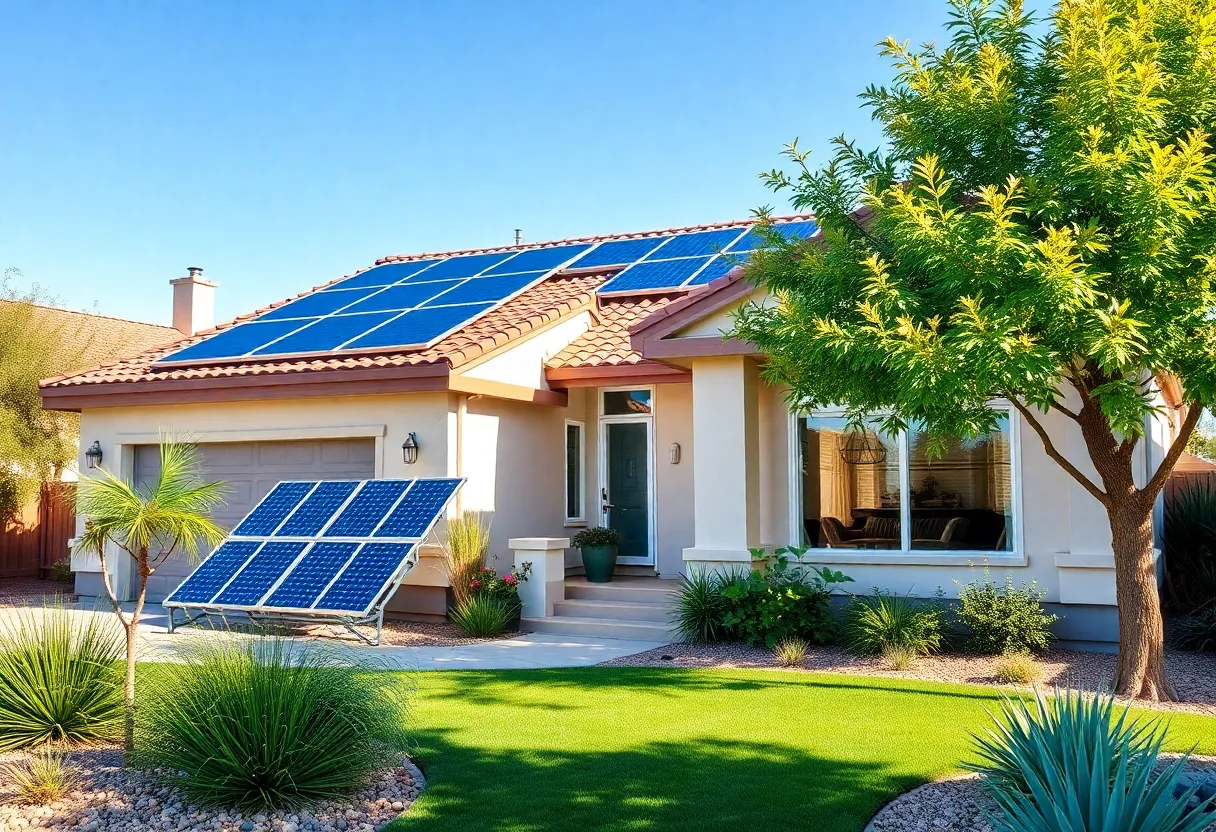
What Are the Key Considerations for Designing an Energy-Efficient Home in Phoenix?
Designing an energy-efficient home in Phoenix demands a strategic approach that accounts for the region’s intense sun, high temperatures, and arid climate. A comprehensive plan leverages regional environmental factors, modern materials, and advanced technologies to maximize energy savings while ensuring indoor comfort. Here are the most critical considerations for creating such a residence.
1. Optimal Site Selection and Orientation
Site selection is fundamental. Choosing a location with minimal natural shading allows for effective solar utilization and reduces unintended heat gains. Consider the following:
- Location: Prioritize sites away from large, hot surfaces like parking lots or roofs that absorb and radiate heat. Seek grounds with open exposure to the sun’s path.
- Orientation: Position the home to face north or south to optimize sunlight exposure while minimizing east and west wall heat gain. Aligning the longer sides of the building east-west leverages shade and reduces cooling loads.
This mindful orientation enhances natural cooling and daylighting, reducing dependence on mechanical systems.
2. Building Envelope Efficiency
The building envelope acts as the primary barrier against Arizona’s extreme temperatures. Key components include:
- Insulation: Use high R-value materials such as spray foam insulation or insulated concrete forms (ICFs). ICFs, in particular, offer superior thermal resistance and reduce thermal bridging, making them highly effective in desert climates.
- Windows: Install dual-pane, Low-E glass windows designed to reflect infrared rays while allowing visible light. These implement heat reduction strategies, decrease cooling demands, and improve comfort.
- Air Sealing: Ensure airtight construction around all joints, penetrations, and seams. Proper sealing prevents air infiltration, which can significantly impact energy effectiveness and indoor stability.
3. Climate-Responsive HVAC System Design
Given Phoenix’s scorching summers, cooling efficiency becomes paramount. Consider these aspects:
- Appropriate Sizing: Match HVAC units precisely to the home’s thermal load. Oversized systems cycle inefficiently, while undersized units struggle to maintain comfortable temperatures.
- Smart Thermostats: Enable programmable controls that adapt to occupancy patterns, reducing unnecessary cooling. These devices can also learn habits to optimize energy use.
- Regular Maintenance: Schedule routine inspections—filter replacements, coil cleaning, and refrigerant checks optimize system longevity and performance.
4. Integration of Renewable Energy Sources
Renewable energy integration leads to substantial long-term savings and sustainability:
- Photovoltaic Solar Panels: Solar PV systems are crucial for meeting Phoenix’s abundant sunlight. Properly sized systems can produce excess energy, feed into the grid, and significantly reduce utility costs.
- Solar Water Heating: Using solar thermal collectors for hot water production reduces reliance on electric or gas water heaters.[1]
5. Efficient Water Management and Conservation
Arizona’s water scarcity emphasizes conservation. Incorporate these strategies:
- Low-Flow Fixtures: Install water-efficient showerheads, faucets, and toilets to minimize water consumption and reduce the energy used in water heating.
- Rainwater Harvesting: Design systems to collect rainwater for landscape irrigation, lowering dependence on municipal water supplies.
- Native Landscaping: Use drought-tolerant plants that require minimal supplemental watering, lowering both water and energy use for irrigation systems.
6. Use of Sustainable and Insulating Building Materials
Material selection impacts both environmental footprint and thermal performance:
- Recycled and Eco-Friendly Materials: Employ reclaimed wood, recycled metal, and locally sourced materials to reduce embodied energy and transportation emissions.
- Reflective Coatings and Low-Emissivity Paints: Apply reflective roof coatings and exterior paints to bounce back solar radiation, thereby reducing heat absorption and cooling requirements.
7. Smart Home Technologies and Automation
Intelligent systems promote efficient energy consumption through automation:
- Home Automation: Control lighting, temperature, and appliances remotely or automatically based on occupancy patterns to avoid waste.
- Energy Consumption Monitoring: Use real-time data tracking to identify high-consuming appliances and optimize overall energy management.
8. Compliance with Local Codes and Certification Standards
Adhere to Phoenix-specific building codes and standards to ensure efficiency and safety:
- Arizona Energy Code: Follow the state’s mandated energy requirements, which specify minimum insulation levels, window performance, and material standards.
- Green Certifications: Aim for ENERGY STAR, LEED, or similar certifications to validate energy efficiency, environmental performance, and sustainable practices.
9. Landscape Design for Energy Optimization
Strategic landscaping bolsters thermal comfort:
- Shade Trees: Plant deciduous trees on southern and western exposures to shade windows and walls during peak heat hours, easing cooling loads.
- Green Roofs: Incorporate vegetative roofing. Green roofs provide insulation, decrease heat island effects, and promote stormwater management.[2]
10. Homeowner Education and Engagement
Empowering homeowners with knowledge about efficient practices fosters sustained savings:
- Energy Audits: Conduct comprehensive assessments to identify potential improvements in insulation, appliances, and systems.
- Maintenance Protocols: Provide guidance on systematic upkeep of systems to maintain peak efficiency and prolong component lifespan.
Combining these elements results in homes that are resilient against Phoenix’s climate, environmentally responsible, and cost-effective over time. Each consideration enhances the home’s ability to adapt to the region’s environmental demands, ensuring comfort and sustainability for years to come.
Frequently Asked Questions (FAQ)
How does home orientation impact energy efficiency in Phoenix?
Proper orientation maximizes natural cooling and daylighting. Positioning the home to face north or south reduces direct solar heat gain on east-west walls, decreasing cooling loads and improving energy efficiency.
What role do insulated concrete forms (ICFs) play in desert climate homes?
ICFs provide high thermal resistance and reduce thermal bridging, maintaining consistent indoor temperatures and lowering cooling energy consumption in hot climates.
Why are photovoltaic solar panels critical for Phoenix homes?
The region’s abundant sunlight makes solar panels an efficient way to generate renewable energy, offset electricity costs, and reduce dependence on conventional power sources.
How do smart home systems improve energy efficiency?
They automate lighting, HVAC, and appliances based on occupancy or schedules, reducing unnecessary energy use and enhancing overall management.
Why is adherence to Phoenix’s building codes vital?
Compliance ensures safety, maximizes energy performance, and aligns with local environmental standards, supporting sustainable development.
| Feature | Details |
|---|---|
| Site Orientation | North-south alignment reduces heat gain and maximizes natural cooling. |
| Building Material | Insulated concrete forms (ICFs) and reflective coatings improve thermal resistance. |
| HVAC System | Energy-efficient units paired with smart thermostats optimize cooling while saving energy. |
| Renewable Energy | High-performance solar panels produce clean energy, offset costs. |
| Water Conservation | Low-flow fixtures and native landscaping reduce water and energy used in water management. |
| Smart Technologies | Automation systems monitor and control energy consumption effectively. |