
10 Essential Tips for Designing an Eco-Friendly Landscape in Phoenix’s Desert Climate
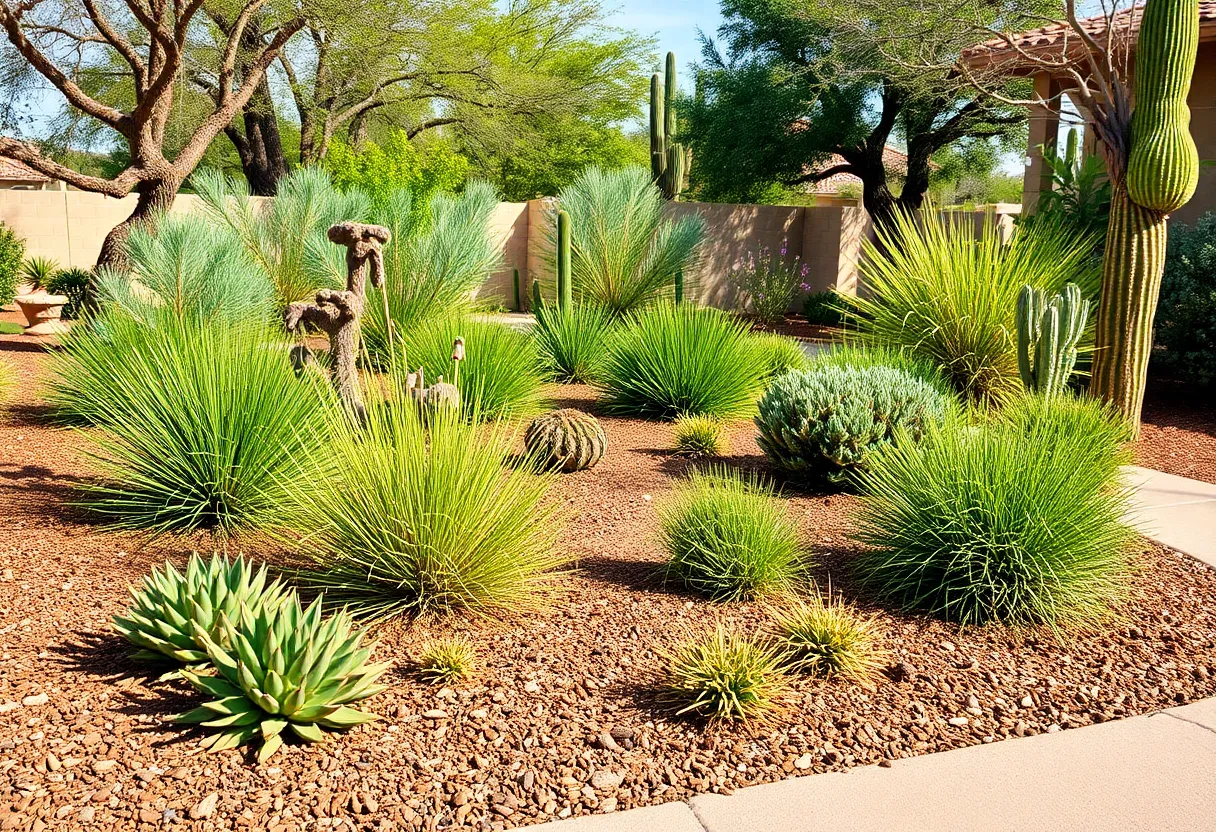
Designing an environmentally sustainable landscape in Phoenix requires precise planning and strategic material and plant choices. The goal is to create an outdoor space that is both aesthetically pleasing and resilient within the region’s harsh desert environment. Implementing these core strategies enables water conservation, reduces maintenance, and promotes local ecosystems while maintaining visual appeal.
1. Embrace Xeriscaping Principles
Xeriscaping is a landscaping approach specifically adapted for arid climates like Phoenix. Its core concept is to minimize water usage while maintaining an attractive landscape. The methodology integrates efficient design practices, soil improvement, and plant selection to conserve resources effectively.
Planning and Design
Evaluate sun exposure, wind patterns, soil composition, and microclimates. This detailed assessment informs placement of plants and features, optimizing growth while reducing resource needs.
Soil Improvement
Enhance native soil with organic compost or amendments to improve water retention. Healthy soil decreases dependence on irrigation and promotes plant resilience.
Limited Turf Areas
Reduce or eliminate traditional grass lawns. When necessary, opt for dwarf or native grasses that require less water and maintenance.
Appropriate Plant Selection
Choose native and drought-tolerant plants compatible with local soil and climate. This reduces irrigation needs and enhances survival rates.
Efficient Irrigation
Implement drip systems or micro-sprayers with sensors. These systems deliver water directly to the roots, minimizing evaporation and runoff.
Mulching
Use organic mulches like shredded bark or decomposed granite to retain moisture, suppress weeds, and stabilize soil temperature.
Proper Maintenance
Schedule regular pruning, weeding, and soil health checks to maintain landscape efficiency and plant vigor.
2. Select Native and Drought-Tolerant Plants
Using native plants offers distinct benefits for desert landscapes:
- Adaptability: Native species thrive with minimal intervention.
- Low Water Needs: Once established, they require little supplemental irrigation.
- Support for Local Wildlife: Native flora attract pollinators, birds, and beneficial insects.
Key examples include:
- Red Yucca: Noted for its vibrant red flower spikes and hummingbird attraction.
- Desert Marigold: Bright yellow blooms that resist drought stress.
- Palo Verde: A drought-hardy tree whose green bark and canopy provide shade with minimal water needs.
3. Implement Efficient Irrigation Systems
Proper irrigation management is vital for water conservation and plant health. Consider the following systems to optimize water use:
- Drip Irrigation: Applies water directly to plant roots, reducing waste.
- Smart Controllers: Adjust watering based on weather patterns, soil moisture, and plant requirements.
- Rain Barrels: Collect and store rainwater for landscape irrigation, minimizing dependency on municipal water supplies.
4. Utilize Permeable Hardscaping Materials
Permeable materials facilitate natural water infiltration, reducing runoff and supporting groundwater recharge—crucial in areas with limited rainfall. Suitable options include:
- Decomposed Granite: Natural appearance used for pathways and patios.
- Permeable Pavers: Interlocking blocks that allow water to pass through.
- Gravel: Versatile material with excellent drainage properties that can be used in decorative beds or footpaths.
5. Apply Mulch to Conserve Moisture
Mulching significantly reduces water evaporation and moderates soil temperature. Benefits include weed suppression and root protection against temperature extremes. Organic mulches like shredded bark or straw blend seamlessly into native landscaping, while inorganic options like gravel suit desert aesthetics.
6. Incorporate Shade Structures
Providing shaded zones enhances outdoor comfort and can lower cooling demands for nearby structures. Strategies include:
- Building pergolas or gazebos with durable, desert-resistant materials.
- Installing shade sails for flexibility and easy installation.
- Planting shade trees such as Palo Verde and Mesquite to naturally block intense sunlight.
7. Design with Microclimates in Mind
Leverage subtle variations within your landscape to optimize plant health and resource use:
- Sun Exposure: Position sun-loving plants in south-facing areas, placing shade-tolerant varieties in shadier spots.
- Wind Patterns: Use dense shrubs or walls to shield sensitive plants from harsh desert winds.
- Elevation Changes: Incorporate berms or raised beds to direct water flow and create visual interest.
8. Reduce Lawn Areas
Replacing traditional turf with drought-tolerant ground covers or hardscape features lowers water consumption and maintenance needs. This transition enhances landscape resilience and aesthetic diversity.
- Opt for native ground covers such as Graptopetalum or Hoodia.
- Incorporate rock gardens and desert-themed hardscaping elements.
9. Implement Rainwater Harvesting
Collecting rainwater diminishes reliance on municipal supplies and supports sustainable landscaping. Techniques include:
- Rain Barrels: Connect to gutters to collect runoff for garden use.
- Cisterns: Larger storage units for extensive rainwater collection.
- Rain Gardens: Designed depressions that absorb stormwater, reducing runoff and promoting groundwater replenishment.
10. Practice Sustainable Maintenance
Maintaining an eco-friendly landscape encompasses practices that preserve resource efficiency and ecological health:
- Pruning: Remove dead or diseased branches to promote healthy growth and airflow.
- Soil Testing: Regular analysis to inform balanced fertilization, avoiding overuse of chemicals.
- Integrated Pest Management: Employ biological controls and eco-friendly methods to control pests, minimizing environmental impact.
Conclusion
Implementing these ten strategies ensures your Phoenix landscape remains sustainable, water-efficient, and resilient. Focused planning with native and drought-tolerant plants, water-saving irrigation, and thoughtful design fosters an eco-friendly outdoor environment. Such landscapes not only conserve valuable resources but also enhance the local ecosystem and provide enduring aesthetic value.
Frequently Asked Questions
What is xeriscaping, and why is it suitable for Phoenix?
Xeriscaping is a landscaping approach that reduces water use by utilizing drought-tolerant plants, efficient irrigation, and minimal turf. It is perfectly suited for Phoenix’s hot, arid climate, conserving water and reducing maintenance costs.
Which native plants are ideal for xeriscaping in Phoenix?
Suitable native plants include Red Yucca, Desert Marigold, and Palo Verde. These species thrive with minimal water and support local wildlife.
How can I conserve water through irrigation?
Use drip irrigation systems with sensors, incorporate rain barrels, and install smart controllers that adapt watering to weather conditions, thereby reducing waste.
What hardscaping materials promote sustainability?
Permeable options such as decomposed granite, permeable pavers, and gravel facilitate water infiltration, prevent runoff, and support groundwater recharge.
Why is mulching important in xeriscaping?
Mulching conserves soil moisture, prevents weed growth, and insulates plant roots, all of which are critical in desert environments where water is scarce.
Key Features of Eco-Friendly Desert Landscaping
| Feature | Benefit | Application in Phoenix |
|---|---|---|
| Xeriscaping | Reduces water consumption through smart design and plant choices. | Essential for sustainable Phoenix landscapes. |
| Native Drought-Tolerant Plants | Minimal water and maintenance needs. | Supports local ecology and resilience. |
| Efficient Irrigation | Conserves water, ensures proper plant hydration. | Critical due to arid climate. |
| Permeable Hardscaping | Promotes groundwater recharge, reduces runoff. | Coordinates with urban water management. |
| Mulching | Decreases irrigation needs, protects plant roots. | Key in desert plant health. |
| Shade Structures | Lowers ambient temperatures, increases comfort. | Extends usability of outdoor spaces. |