
What Are the Key Considerations for Eco-Friendly Home Building in Phoenix?
Climate-Responsive Design
Phoenix’s desert environment presents unique challenges for residential construction. Designing homes that inherently respond to this climate is fundamental for sustainability. *Passive solar strategies*—such as strategic window placement and shading devices—play a critical role in minimizing heat gain and reducing cooling demands. Orienting the building to maximize southern exposure can harness natural light while minimizing unnecessary solar heat intrusion. Incorporating features like overhangs, pergolas, or shade screens protects interior spaces from the intense summer sun, reducing reliance on air conditioning.
*High levels of insulation* in exterior walls significantly improve thermal regulation. Using advanced materials allows homes to stay cooler during the day and warmer at night, decreasing the need for mechanical cooling and heating. On-site renewable energy systems, especially solar panels, align with Phoenix’s 2050 Sustainability Goals—to achieve net-positive buildings that generate more energy than they consume ([phoenix.gov](https://www.phoenix.gov/administration/departments/sustainability/2050-sustainability-goals/2050-building-land-use-goals.html?utm_source=openai)). Such integration reduces carbon footprints and supports urban resilience.
Energy Efficiency
Achieving energy efficiency in Phoenix homes entails deploying high-performance systems that operate optimally within the desert climate. *High-performance insulation*, such as insulated concrete forms (ICFs), seals gaps and reduces air infiltration, which is vital for maintaining consistent indoor temperatures despite external temperature swings.
*Energy-efficient appliances*—including refrigerators, HVAC systems, and lighting—cut overall energy consumption. The latest smart thermostats enable real-time adjustments, optimizing temperature control based on occupancy and weather patterns. ICF construction also provides superior durability and mold resistance, making it suitable for the extreme temperature variations and monsoon events common in the region.
Implementing these systems supports the broader objective of reducing energy bills and environmental impact while enhancing occupant comfort. This approach directly contributes to sustainable urban growth aligned with regional and national climate commitments ([foxblocks.com](https://www.foxblocks.com/blog/energy-efficient-homes-phoenix?utm_source=openai)).
Water Conservation
Limited water availability is a defining concern in Phoenix. Eco-friendly home building must incorporate a comprehensive water conservation strategy. *Low-flow fixtures*—such as toilets, faucets, and showerheads—reduce water use without sacrificing performance.
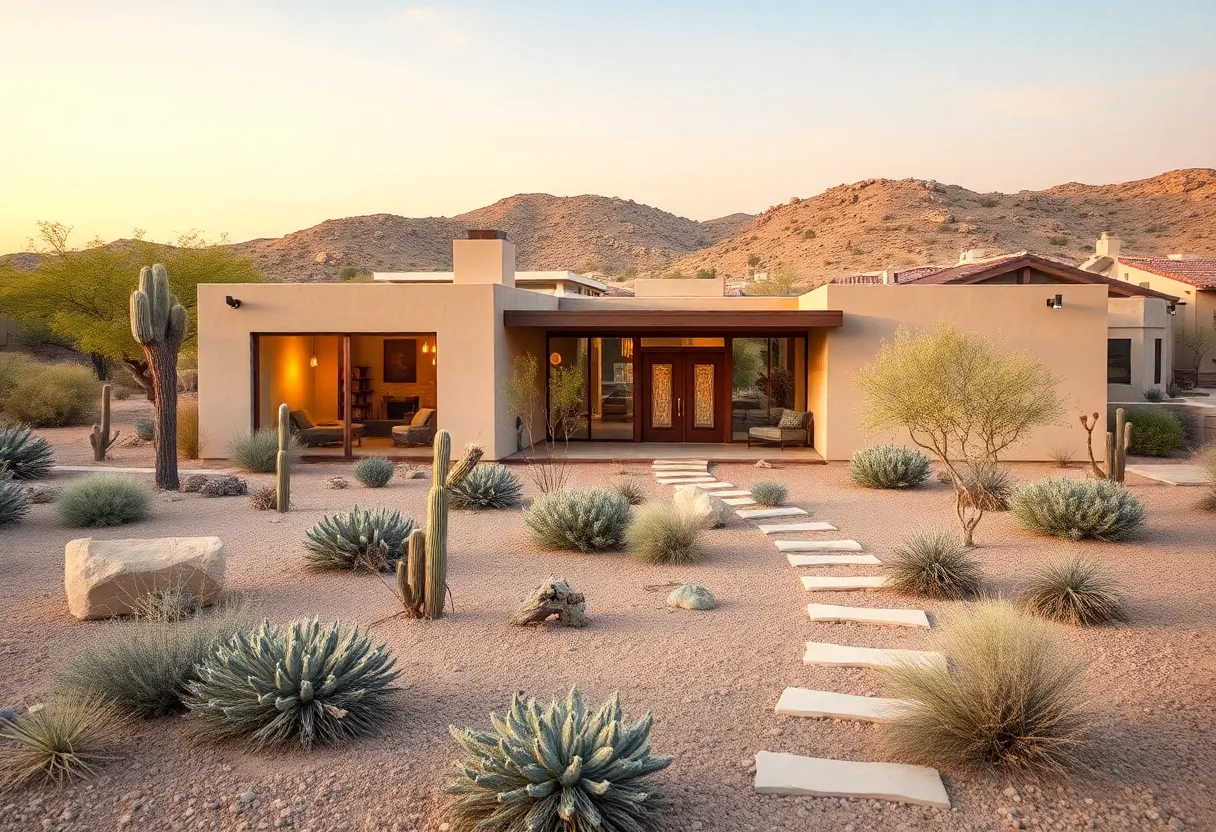
*Drought-resistant landscaping*, known as Xeriscaping, prioritizes native and adapted plants that require minimal supplemental irrigation. Mulching and soil amendments conserve moisture and improve plant health while minimizing water use. Rainwater harvesting systems collect and store runoff for irrigation or gray water reuse, decreasing reliance on municipal supplies.
These practices not only conserve water but also create aesthetically pleasing outdoor environments that harmonize with the natural landscape. Pursuing water efficiency is essential for long-term sustainability, considering Phoenix’s arid conditions and projected climate shifts ([infoarizona.com](https://infoarizona.com/sustainable-living-in-phoenix/?utm_source=openai)).
Use of Sustainable Materials
Material selection impacts environmental footprints and building longevity. Sustainable building materials focus on low embodied energy and recyclability. *Bamboo flooring* is a renewable resource that grows rapidly and replaces traditional hardwoods. Recycled steel beams and reclaimed wood reduce waste and demand for virgin materials.
Locally sourced materials diminish transportation emissions and support regional economies. Using regional materials, such as desert-adapted stone or clay bricks, aligns with sustainable supply chains and reduces lifecycle impacts. Properly certified products, like those meeting Green Building standards, ensure non-toxic, low-VOC emissions, minimizing indoor pollution and enhancing occupant health.
Incorporating sustainable materials also adds aesthetic appeal, creating spaces that reflect the region’s natural beauty while reducing ecological footprints ([scottsdaleaz.gov](https://www.scottsdaleaz.gov/green-building-program/design-principles?utm_source=openai)).
Indoor Air Quality
Maintaining healthy indoor environments is essential for occupant well-being. Selecting *low-VOC paints, finishes,* and adhesives minimizes chemical emissions. *Airtight construction techniques*, such as sealing joints and using triple-pane windows, prevent infiltration of outdoor pollutants like dust and pollen, which are prevalent in desert environments during windy periods.
Proper ventilation systems—such as Energy Recovery Ventilators (ERVs)—bring in fresh air while recovering energy from exhaust air, maintaining indoor air quality efficiently. Incorporating indoor plants that filter air can complement mechanical systems. Overall, these measures create healthier living spaces resistant to desert dust and environmental pollutants.
Waste Reduction
Eco-conscious building emphasizes reducing and managing waste during construction. *Careful planning* ensures optimal material use, minimizing excess. *Prefabrication* and modular construction techniques can enhance material efficiency and reduce on-site waste.
Designing for *deconstruction* allows components to be disassembled and reused at the end of a building’s lifespan. This approach supports circular economies, decreasing demand for raw materials and reducing landfill contributions. Such practices are crucial for sustainable urban development, particularly in areas with high construction activity pressure ([scottsdaleaz.gov](https://www.scottsdaleaz.gov/green-building-program/design-principles?utm_source=openai)).
Compliance with Local Regulations
Adhering to local building codes and sustainability standards ensures projects meet safety, efficiency, and environmental guidelines. Phoenix’s 2050 Sustainability Goals specify targets for *net-positive* urban structures and green development. Familiarity with these regulations facilitates smoother permitting processes and encourages best practices.
Regulations often mandate the use of certain energy-efficient materials, water-saving devices, and sustainable design features. Working proactively with local authorities and understanding regional requirements secures project compliance and supports broader community sustainability objectives.
Financial Incentives
Economic incentives lower barriers for sustainable construction adoption. Tax credits, rebates, and grants support investments in renewable energy and water efficiency. For example, installing solar panels might qualify for federal tax credits and local rebates, shortening the payback period.
State and local programs often provide incentives targeting water-efficient landscaping, smart home systems, and energy-saving appliances. Utilizing these financial tools enhances project viability and accelerates the transition toward eco-friendly homes, making sustainable choices more accessible to homeowners and builders alike ([danijelaquenzler.com](https://www.danijelaquenzler.com/green-homes-in-phoenix-investing-in-a-sustainable-future?utm_source=openai)).
Community Engagement
Building consensus and support through community involvement is vital. Engaging local stakeholders, from residents to city planners, fosters acceptance and promotes sustainability goals.
Participation in neighborhood programs and adherence to community standards ensure integration. Creating walkable, mixed-use neighborhoods that prioritize green spaces aligns with regional sustainability initiatives. Such engagement strengthens social cohesion and encourages collective responsibility for environmental stewardship.
Long-Term Sustainability
Designing for durability and flexibility extends the lifespan and reduces future resource consumption. Selecting *weather-resistant, durable materials* minimizes maintenance and replacement needs. Incorporating *energy-efficient systems* ensures ongoing savings and environmental benefits.
Spaces should be adaptable to evolving needs, allowing for upgrades or modifications without major renovations. These practices promote resilient communities capable of meeting future environmental challenges while conserving resources.
Key Features Chart
| Feature | Description | Impact |
|---|---|---|
| Climate-Responsive Design | Passive solar strategies, shading, insulation | Reduces cooling loads, enhances comfort |
| Energy Efficiency Systems | High-performance insulation, ICFs, smart thermostats | Lower energy consumption, durability |
| Water Conservation | Low-flow fixtures, rainwater harvesting, xeriscaping | Saves water, maintains landscape health |
| Sustainable Materials | Bamboo, recycled steel, reclaimed wood | Reduces embodied energy, waste |
| Indoor Air Quality | Low-VOC products, airtight construction, ERVs | Healthier indoor environment |
| Waste Reduction | Design for deconstruction, prefabrication | Minimizes construction waste |
| Community Engagement | Involving stakeholders, regional standards | Supportive, sustainable development |
Frequently Asked Questions (FAQ)
What are the key considerations for building an eco-friendly home in Phoenix?
Key considerations include climate-responsive design, energy efficiency, water conservation, use of sustainable materials, indoor air quality, waste reduction, compliance with local regulations, financial incentives, community engagement, and long-term sustainability.
How can passive solar design benefit a home in Phoenix?
Passive solar design utilizes building orientation and shading to reduce cooling costs by minimizing heat gain from the sun, making it particularly effective in Phoenix’s hot climate.
What are Insulated Concrete Forms (ICFs) and how do they improve energy efficiency?
ICFs are building materials that provide continuous insulation and airtightness, reducing air leaks and improving energy efficiency. They also offer enhanced durability against severe weather events.
Why is water conservation important in Phoenix’s desert climate?
Water conservation is crucial in Phoenix’s arid environment to ensure a sustainable water supply and to reduce the environmental impact of excessive water use.
What financial incentives are available for eco-friendly home building in Phoenix?
Financial incentives include tax credits for renewable energy systems and local rebates for water-efficient landscaping and energy-efficient home features.