
Phoenix, December 26, 2025
The transformation of downtown Phoenix into a vibrant urban center showcases the power of strategic civic innovation and community engagement. Once deemed a ‘ghost town,’ the area has revitalized with the help of Arizona State University and an integrated light rail system, leading to substantial economic growth and increased local investment.
Phoenix, Arizona –
Downtown Phoenix: From Ghost Town to Hotspot, A Masterclass in Civic Revival
The revitalization of downtown Phoenix stands as a testament to strategic civic innovation and dedicated community engagement. Once a quiet core, the area has been dramatically transformed into a vibrant urban center, largely thanks to the catalytic presence of Arizona State University and the city’s integrated light rail system, fostering an environment ripe for individual achievement and robust community growth.
For decades, downtown Phoenix faced the challenge of a city center that, while historically significant, became notably quiet after business hours. It was often characterized as a “ghost town,” a stark contrast to the bustling heart it once was. The transformation required a blend of visionary leadership, public-private partnerships, and a deep understanding of urban dynamics. Rather than waiting for external forces, local leaders and community stakeholders took proactive steps to reimagine and rebuild, demonstrating the profound impact of collective initiative in shaping a city’s destiny.
The Vision for a Resurgent Urban Core
The journey from a sleepy downtown to a dynamic urban hub began with a strategic vision for growth and renewal. City planners and community advocates recognized the untapped potential of downtown Phoenix, envisioning a place that could attract residents, businesses, and cultural institutions. This foresight laid the groundwork for significant public and private investments, aimed at creating a more livable and engaging environment. Initiatives focused on enhancing public spaces and encouraging residential development were crucial in setting the stage for the dramatic changes to come, highlighting the power of deliberate urban planning and civic innovation.
ASU’s Catalytic Presence in Downtown Phoenix
A pivotal force in downtown Phoenix’s resurgence has been the establishment and expansion of Arizona State University’s downtown campus. Prior to this, ASU had not actively promoted an urban experience for its students. In March 2006, Phoenix voters approved $223 million in bond funding for the campus’s development, and just five months later, it welcomed over 2,500 full-time students. By 2019, the student body at the downtown campus had grown to approximately 12,000 students, significantly injecting new life and energy into the area.
This strategic investment transformed vacant lots and neglected commercial spaces into a vibrant collection of academic buildings, residence halls, and entrepreneurial hubs. ASU’s presence brought a steady flow of students and faculty, stimulating demand for local businesses, fostering intellectual activity, and creating a dynamic streetscape that had been missing. The university’s commitment to the urban core underscored the power of institutional investment to drive community development and cultivate individual initiative within a burgeoning urban environment.
Light Rail: The Connectivity Engine for Growth
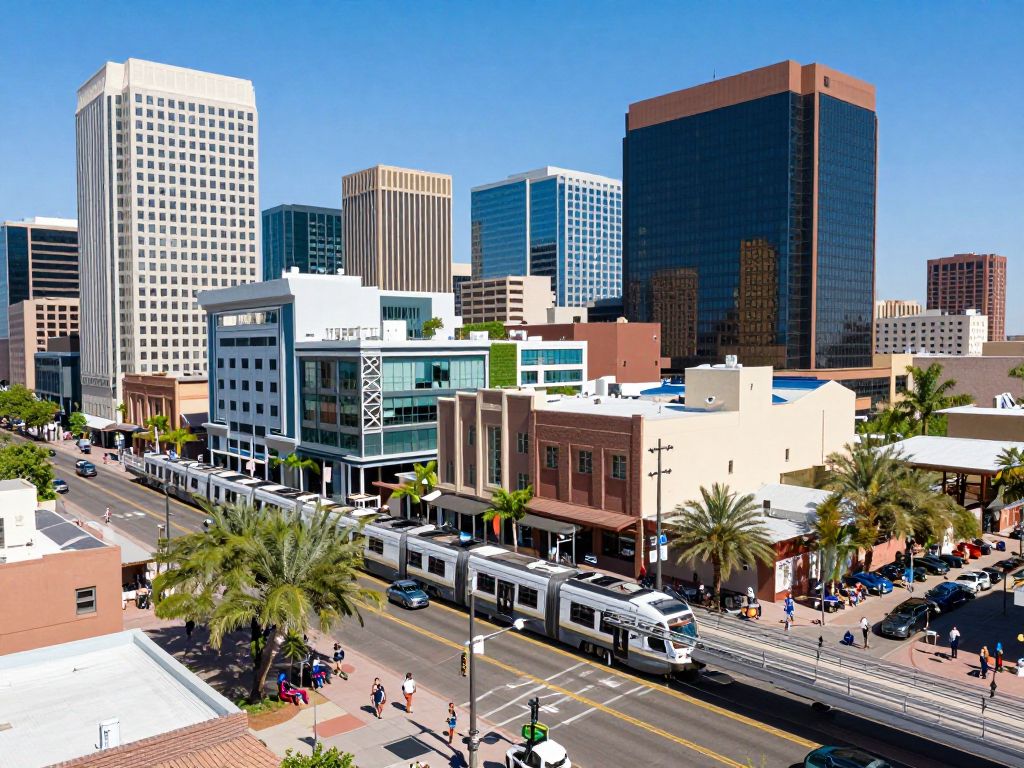
The introduction of the Valley Metro light rail system in December 2008 served as another critical catalyst for downtown Phoenix’s transformation. This fixed transportation asset significantly enhanced accessibility, connecting downtown to key areas like Tempe and Mesa and making it easier for residents, students, and workers to navigate the metropolitan area. The light rail system has been instrumental in fostering transit-oriented development (TOD), sparking billions of dollars in private investment along its 28-mile corridor and stimulating new commercial and residential projects.
The light rail promotes a “car-lite” lifestyle, appealing to younger professionals and students who value mobility and urban amenities. It has reduced reliance on individual vehicles, contributing to broader urban planning goals of sustainability and reduced congestion. By making downtown readily accessible, the light rail not only improved individual mobility but also provided a vital infrastructure component that supports business growth and a more interconnected community. Government investment, including city zoning policies, played a significant role in spurring private development along the corridor.
A Flourishing Urban Core Driven by Investment
The synergy between ASU’s downtown presence and the light rail system propelled downtown Phoenix from a quiet zone to a thriving hotspot. The increased population, driven by students and professionals, attracted significant public and private investment, with over $6.5 billion invested between 2004 and 2021. This surge in investment led to the opening of more than 100 new restaurants and bars between 2008 and 2020, transforming downtown into a vibrant destination for dining and entertainment.
Downtown Phoenix has seen a substantial increase in its residential population, with a 56% increase in five years, reaching 13,500 by September 2019. This growth has fostered a dynamic economic ecosystem, encouraging individual entrepreneurship and diverse businesses in sectors like technology, hospitality, insurance, and finance. The transformation underscores how strategic public initiatives, coupled with the drive of private investment and individual achievement, can create a flourishing urban center.
Community Engagement and Sustained Growth
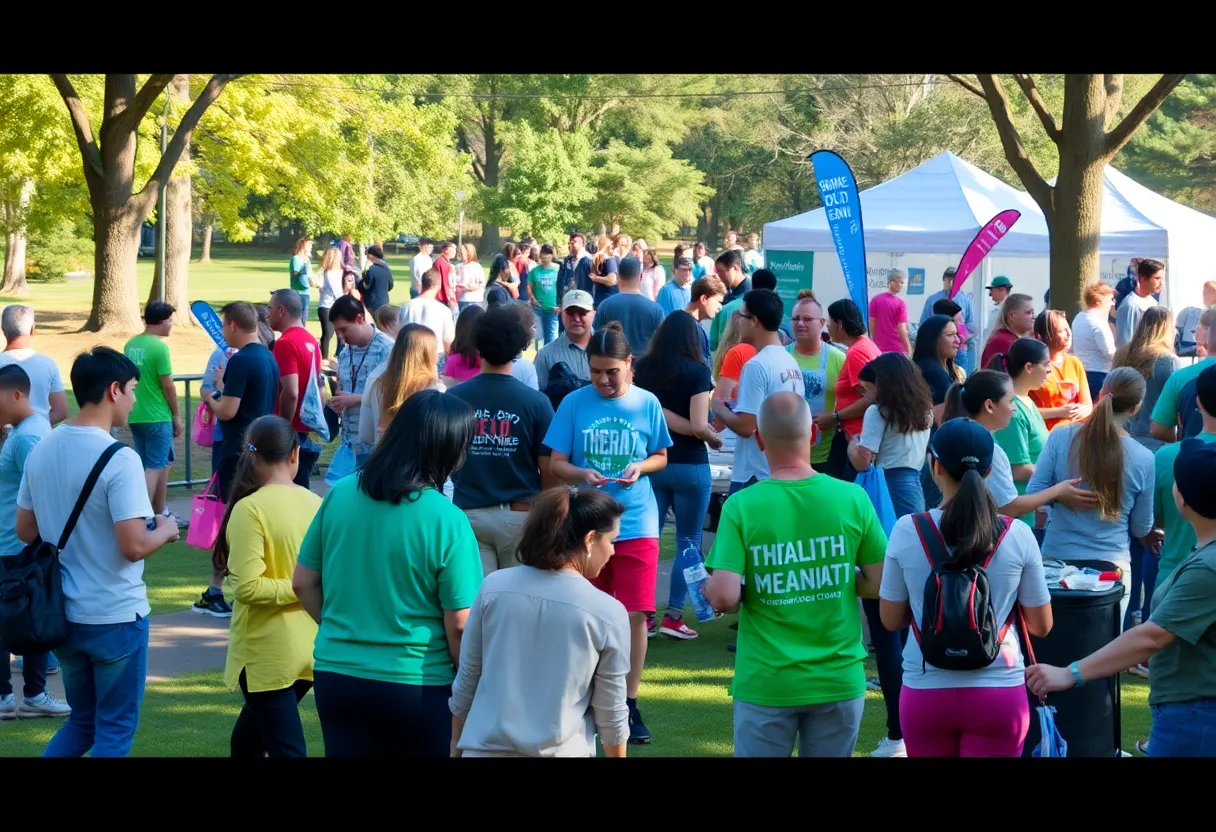
Beyond infrastructure and institutions, the revitalization of downtown Phoenix has also ignited a profound sense of community engagement and civic pride. Residents and local organizations have actively contributed to shaping the ongoing growth, participating in events, initiatives, and the broader development of the urban landscape. This active involvement highlights the enduring strength of personal initiative and the positive outcomes when community members take ownership of their shared spaces.
The city has actively worked to create Transit Oriented Communities (TOCs) along the light rail corridor, providing opportunities for residential, business, and recreation spaces within walking distance of public transit. Such strategic planning, supported by collaborations between the city, ASU, and local organizations, aims to foster sustainable urban development and enhance the quality of life for all residents. The success of downtown Phoenix serves as an inspiring example of how limited bureaucracy can facilitate swift adaptation and community-led initiatives, paving the way for sustained prosperity in a key Arizona destination.
Keywords: Phoenix AZ events, downtown Phoenix, ASU Phoenix, light rail Arizona, community growth Phoenix
Frequently Asked Questions (FAQ)
What transformed downtown Phoenix from a ghost town to a hotspot?
What were the primary drivers behind the transformation of downtown Phoenix?
The primary drivers behind the transformation of downtown Phoenix were the catalytic presence of Arizona State University (ASU) and the city’s integrated light rail system.
What role did ASU play in the revitalization of downtown Phoenix?
How did ASU contribute to downtown Phoenix’s resurgence?
ASU established and expanded its downtown campus, bringing a significant influx of students, faculty, and academic programs. This injected new life, fostering intellectual activity, stimulating demand for local businesses, and creating a vibrant streetscape.
How did the light rail contribute to downtown Phoenix’s development?
What was the impact of the light rail system on downtown Phoenix?
The light rail system, which began operations in December 2008, provided critical infrastructure, enhancing accessibility and offering an efficient mode of transportation. It sparked billions of dollars in private investment along its corridor, fostering transit-oriented development and connecting downtown to other key areas.
What was downtown Phoenix like before its transformation?
What was the previous state of downtown Phoenix?
Prior to its revitalization, downtown Phoenix was often characterized as a “ghost town” after business hours, lacking the vibrant energy of a thriving urban center.
What are the outcomes of the transformation in downtown Phoenix?
What are the key results of downtown Phoenix’s revitalization?
The transformation resulted in a bustling “hotspot” with increased population density, over $6.5 billion in public and private investment between 2004 and 2021, over 100 new restaurants and bars, and a significant rise in individual entrepreneurship and community engagement.
Key Features of Downtown Phoenix Transformation
| Feature | Description | Impact |
|---|---|---|
| ASU Presence | Establishment and expansion of Arizona State University’s downtown campus, with over 12,000 students by 2019. | Injected new life, fostering intellectual activity, stimulating demand for local businesses, and creating a dynamic streetscape. Catalyzed community development and personal initiative. |
| Light Rail System | Introduction of the Valley Metro light rail system in December 2008. | Enhanced accessibility, provided an efficient mode of transportation, and sparked billions of dollars in private investment through transit-oriented development. Connected downtown to other key areas, supporting business growth and a more interconnected community. |
| Past State | Downtown Phoenix was often characterized as a “ghost town” after business hours, lacking vibrant energy. | Highlighted the need for strategic vision, urban planning, and civic innovation to unlock growth and foster revitalization. |
| Current State | Transformed into a bustling “hotspot” with a 56% population increase in five years, attracting over $6.5 billion in investment and numerous new businesses. | Stimulated private investment, individual entrepreneurship, and a dynamic economic ecosystem. Led to a thriving urban center driven by civic innovation and individual achievement. |
| Community Impact | Renewed sense of community engagement, civic pride, and active resident involvement in shaping growth. | Demonstrated the strength of personal initiative and the positive outcomes when community members take ownership of shared spaces, facilitated by strategic planning and limited bureaucracy. |
Deeper Dive: News & Info About This Topic
HERE Resources
Phoenix’s Atari Hotel: A New Vision for Downtown Revitalization
Kimpton Miralina Resort & Villas Revitalizes Scottsdale’s Hospitality Scene
Palo District to Transform Former Fiesta Mall into Health Campus and Mixed-Use Hub
Phoenix Volunteers Spark Holiday Joy for Children
Phoenix Sky Harbor Welcomes New Local Businesses and Dining Experiences
New Flat Fee Real Estate Firm Launches in Phoenix
New Affordable Housing Development ‘Desert Sky’ Breaks Ground
Discover Free Events in Phoenix This Week
Robert L. Meyer Transforms Phoenix Children’s Hospital
Phoenix Hosts Weekend Celebrations of Food and Culture