

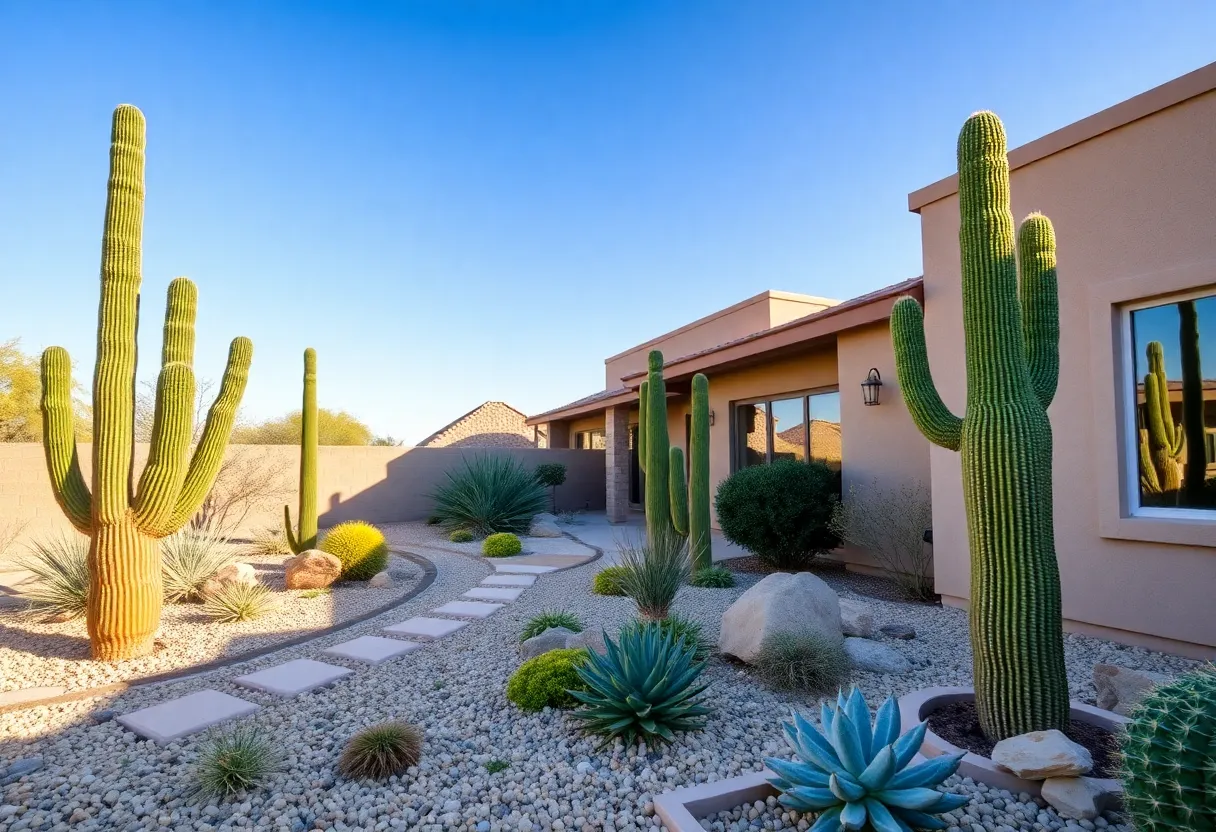
How to Create a Vibrant Desert Paradise in Your Phoenix Backyard
Introduction
Transforming your Phoenix backyard into a vibrant desert paradise requires strategic planning centered around drought-tolerant plants, hardscaping elements, and sustainable practices. This comprehensive guide offers practical, actionable steps to design a stunning, low-maintenance landscape that respects the arid environment of Phoenix while delivering visual appeal and ecological benefits. Efficient planning ensures your outdoor space is both beautiful and eco-friendly, thriving amid extreme heat and scarce water resources.
Understanding Phoenix’s Desert Climate
A successful desert landscape hinges on understanding the harsh climate characteristics of Phoenix:
- High summer temperatures: Temperatures frequently exceed 100°F (38°C), creating heat stress for many plants.
- Mild winters: Temperatures typically range between 40°F and 70°F (4°C to 21°C), reducing concerns about frost damage.
- Low annual rainfall: Averaging approximately 8 inches (203 mm), this necessitates plants and materials that are drought-resilient and water-conserving.
Given these constraints, selecting hardy plants and implementing water-wise features is crucial. Your landscape design should focus on conserving water, withstanding high temperatures, and minimizing maintenance.
Choosing Drought-Tolerant Plants
The backbone of a desert paradise is the selection of suitable plants. Prioritize species native or adapted to desert conditions, which inherently require less water and better withstand extreme weather.
Cacti and Succulents
These plants excel in Phoenix’s climate due to their water storage capacity and minimal care needs:
- Saguaro Cactus (*Carnegiea gigantea*): Iconic to the Sonoran Desert, saguaros are slow-growing, long-lived, and require virtually no watering once established. They are structural features that symbolize desert resilience.
- Agave: Known for their rosette forms and dramatic appearance, agaves thrive in full sun and well-drained soil, requiring infrequent watering.
- Red Yucca (*Hesperaloe parviflora*): Characterized by slender leaves and vibrant *coral-red blooms*, this plant attracts hummingbirds and needs minimal maintenance.
Native Shrubs and Trees
Incorporate native flora that provide shade, structure, and habitat:
- Palo Verde (*Parkinsonia spp.*): Recognizable for its bright green bark and abundant yellow flowers, it is drought-resistant, storing water in its trunks and branches.
- Fairy Duster (*Calliandra eriophylla*): With delicately fragrant, red-orange typical of desert flora, it attracts pollinators and requires little watering.
- Chuparosa (*Justicia californica*): Features tubular red flowers, thriving in intense heat and dry soils, supporting hummingbird populations.
Groundcovers and Grasses
Soil coverage helps suppress weeds, retain moisture, and add visual interest:
- Bear Grass (*Nolina microcarpa*): Native to Arizona, it produces white, cone-shaped flowers, contributing texture and form to xeriscapes.
- Outback Sunrise Emu Bush (*Eremophila maculata*): An ornamental grass with colorful foliage, adding movement and contrast; it adapts well to reflecting heat.
Herbaceous layering and diverse textures contribute to an inviting yet sustainable landscape.
Incorporating Hardscaping Elements
Hardscape features provide structure, visual interest, and functionality, reducing water dependency and maintenance.
Pathways and Patios
Materials should facilitate water drainage and complement desert aesthetics:
- Gravel and Decomposed Granite: These permeable surfaces support water infiltration, minimizing runoff and erosion, and are cost-effective choices.
- Natural Stone Pathways: Using locally sourced stone creates rustic, durable walkways that blend with surrounding environment.
Water Features
Desert-inspired fountains serve both aesthetic and ecological functions:
- Water features: Incorporate small fountains or ponds designed with drought-adapted plants around them to attract local wildlife and create a calming ambiance.
Rock Formations
Strategic placement of rocks enhances the natural desert feel:
- Boulders and Rock Beds: Use large rocks to mimic natural desert formations, providing shelter for animals and focal points for landscape design.
Implementing Sustainable Practices
Sustainable techniques ensure your desert landscape remains vibrant, eco-friendly, and less resource-intensive.
Efficient Irrigation
– Drip irrigation systems: These systems target water directly to plant roots, significantly reducing wastage and ensuring deep soil penetration.
Soil Improvement
– Mulching: Organic mulch around plants conserves moisture, suppresses weeds, and maintains more stable soil temperatures, reducing the need for supplemental watering.
Maintenance
– Pruning: Regularly removing dead or diseased parts encourages healthy growth and maintains a tidy appearance.
– Weeding: Keeping invasive weeds in check prevents competition with native plants and conserves resources.
Conclusion
Designing a vibrant desert paradise in your Phoenix backyard is achievable through purposeful plant selection, functional hardscaping, and sustainable practices. Focus on native and drought-tolerant species to create a landscape that is both visually appealing and resilient. Thoughtfully integrated features such as pathways, water elements, and rocks not only enhance beauty but also support ecological balance. Emphasizing water efficiency and minimal maintenance ensures your desert landscape remains lush and sustainable, thriving despite extreme conditions.
Frequently Asked Questions (FAQ)
What are the best drought-tolerant plants for Phoenix?
The best options include Saguaro Cactus, Agave, Red Yucca, Palo Verde, and Fairy Duster. These plants are native or well-adapted to desert conditions, requiring minimal water and maintenance.
How can I reduce water usage in my desert landscape?
Implement drip irrigation systems, apply mulch around plants to retain moisture, and select native, drought-tolerant plants. These practices significantly reduce water consumption while maintaining landscape health.
What hardscaping features are suitable for a desert landscape?
Suitable features include gravel and decomposed granite pathways, natural stone patios, rock formations, and desert-inspired fountains. They provide structure, durability, and ecological harmony.
How do I maintain a desert landscape in Phoenix?
Regular pruning, weeding, and mulching are essential. Also, use efficient irrigation and native plants to lessen maintenance needs.
Key Features of a Vibrant Desert Landscape
| Feature | Description | Benefits |
|---|---|---|
| Native Drought-Resistant Plants | Adapted species like saguaros, agaves, and desert shrubs. | Low water needs, resilience, ecological harmony. |
| Permeable Hardscaping | Gravel, decomposed granite, natural stone pathways. | Water infiltration, durability, aesthetic compatibility. |
| Water Features | Desert-friendly fountains or small ponds. | Wildlife attraction, visual focal points. |
| Efficient Irrigation & Mulching | Drip systems, organic mulch. | Reduces water use, improves soil moisture retention. |
| Natural Rocks and Boulders | Strategic placement to mimic natural formations. | Adds texture, habitat, and visual interest. |