

Phoenix AZ, December 30, 2025
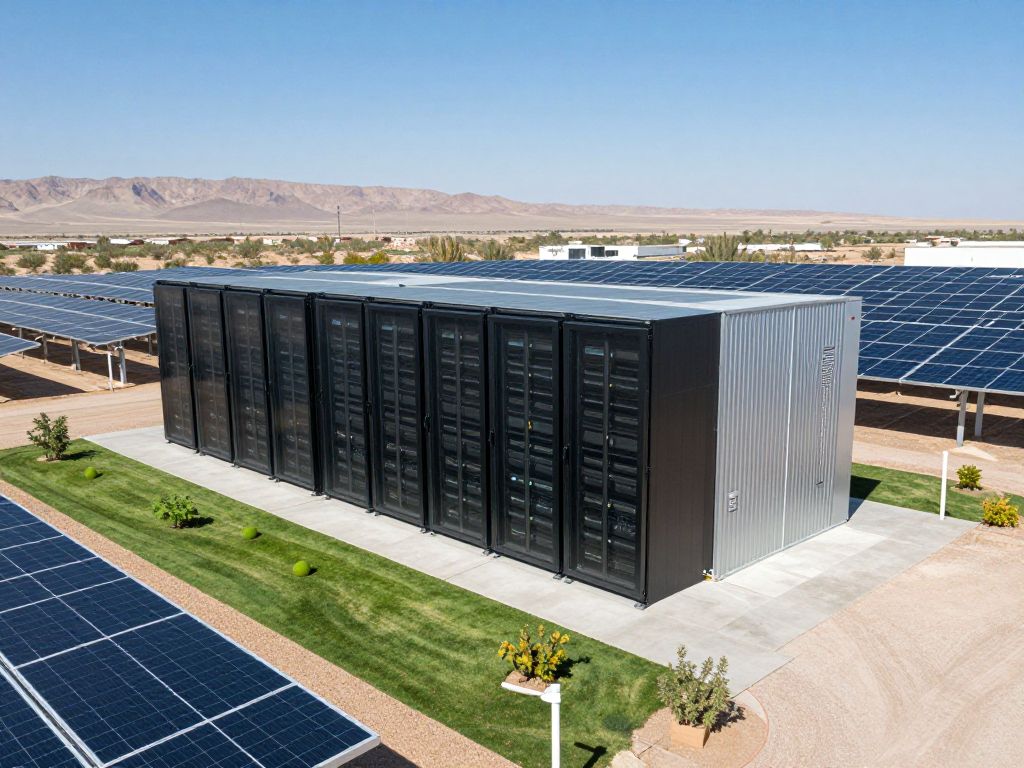
As the data center industry booms in Phoenix, AZ, local municipalities are grappling with the need to balance economic growth with sustainable resource management. The rapid expansion creates opportunities for job creation and technological advancement but raises concerns regarding water consumption, noise pollution, and quality of life. Valley cities are reevaluating their development strategies to ensure that innovation aligns with community interests and environmental stewardship.
Phoenix’s Data Dilemma: Balancing Growth & Resources
As the digital revolution continues its rapid expansion, Phoenix, AZ, finds itself at a pivotal moment, navigating the complex interplay between economic growth driven by the burgeoning data center industry and the need for sustainable resource management. The Valley has become a significant hub for these digital infrastructure powerhouses, attracting substantial investment and fostering an environment ripe for technological advancement. Yet, this growth story is prompting a reevaluation by local municipalities, striving to ensure that prosperity aligns with community well-being and environmental stewardship.
The rise of cloud computing and artificial intelligence has positioned data centers as critical infrastructure, serving as the literal beating hearts of the internet. This expansion presents remarkable opportunities for job creation and economic diversification in the Phoenix AZ business landscape, a testament to the entrepreneurial foresight of those who invest in this sector. However, this progress also brings forth legitimate community concerns regarding the extensive resource demands of these facilities. Valley cities are now actively shifting their approach to data center development, aiming to strike a more harmonious balance between fostering innovation and addressing the needs of their residents.
The Rise of the Digital Economy in the Valley
Data centers have become indispensable in the modern economy, powering everything from cloud computing to artificial intelligence (AI). These facilities, often sprawling over tens or hundreds of thousands of square feet, are integral to the digital and cloud revolutions (Nationwide). The demand for these digital strongholds is immense, fueled by the ever-increasing need for digital services (Nationwide). The Phoenix metro area has emerged as a key location for these developments, attracting significant investment and solidifying its role as a technological cornerstone. This growth highlights the region’s appeal for large-scale private investment and its capacity to support the infrastructure demands of the global digital economy, reinforcing Phoenix AZ business vitality.
Community Insights: Addressing Local Concerns
While data centers bring economic benefits, residents in the Phoenix metro area are increasingly voicing concerns about their development. These concerns primarily revolve around water consumption, noise pollution, and the overall impact on local resources and quality of life (Phoenix metro). The rapid expansion of these facilities has led to a pushback from communities, prompting Valley cities to reconsider their long-term strategies for integrating such large-scale developments. This community engagement reflects a vital aspect of local governance, ensuring that economic progress remains tethered to the interests of those who call the Valley home.
Resource Demands: Water and Energy
One of the most significant challenges associated with data centers is their substantial consumption of both power and water. These facilities require vast amounts of electricity to operate their servers and cooling systems (Nationwide). Furthermore, data centers can tap into freshwater resources for cooling purposes (Nationwide). The development of energy-intensive hardware specifically designed for AI has led to data centers doubling their electricity consumption (Nationwide). This escalating demand for resources underscores the need for sustainable practices and innovative solutions within the industry. In one city, the construction of a Switch data center in 2015 coincided with the city announcing its tenth consecutive year of water supply rate increases (City-specific). Such instances highlight the direct impact on local resources and the importance of thoughtful planning for Arizona AZ entrepreneurs and policymakers.
Evolving Approaches: Valley Cities Adapt
In response to growing community concerns and resource demands, Valley cities are beginning to shift their approach to data center development (Valley cities). This involves a reevaluation of zoning regulations, incentive programs, and long-term sustainability plans. The aim is to foster an environment that continues to attract technological investment while simultaneously safeguarding local resources and ensuring community well-being. This adaptive stance by local governments demonstrates a commitment to balanced growth, recognizing that economic progress is most robust when it is sustainable and supported by the community. Such shifts may also encourage entrepreneurial innovation in developing more efficient cooling technologies or sustainable energy sources, benefiting Phoenix small business ventures.
Innovation and Sustainable Futures
The challenges presented by data center growth also create opportunities for innovation. Arizona AZ entrepreneurs and businesses can explore and implement more sustainable designs and operational practices for data centers. This includes advancements in energy efficiency, water conservation technologies, and the integration of renewable energy sources. Private investment in these areas can lead to breakthroughs that not only address environmental concerns but also establish the Valley as a leader in sustainable technological development. Encouraging such entrepreneurial drive is crucial for fostering long-term economic growth that aligns with community values and preserves precious resources for future generations. This proactive approach ensures Phoenix small business and large enterprises alike contribute to a resilient economy.
Conclusion
The evolution of data center development in the Phoenix metro area represents a critical juncture for our community. Balancing the undeniable economic benefits of this industry with the imperative for sustainable resource management is a complex but achievable goal. By fostering open dialogue between developers, residents, and local government, Valley cities can continue to attract innovation while ensuring responsible growth. We encourage our readers to stay engaged in these important conversations, supporting thoughtful solutions that will shape Phoenix’s economic future and uphold our community’s resilience.
Frequently Asked Questions
Why are residents in the Phoenix metro area concerned about data center development?
Residents in the Phoenix metro area are increasingly voicing concerns about data center development due to water consumption, noise pollution, and the overall impact on local resources and quality of life (Phoenix metro).
What fuels the demand for data centers nationwide?
The demand for data centers is immense, fueled by the ever-increasing need for digital services (Nationwide), as well as the digital and cloud revolutions (Nationwide).
How do AI-specific hardware impact electricity consumption in data centers?
The development of energy-intensive hardware specifically designed for AI has led to data centers doubling their electricity consumption (Nationwide).
How have Valley cities responded to concerns about data center development?
Valley cities are beginning to shift their approach to data center development (Valley cities) in response to growing community concerns and resource demands. This involves a reevaluation of zoning regulations, incentive programs, and long-term sustainability plans.
Key Features of Data Center Development in the Valley
| Feature | Description | Scope |
|---|---|---|
| Economic Impact | Attracts significant private investment and supports the global digital economy. | Phoenix metro, Nationwide |
| Resource Demands | High consumption of electricity and freshwater for operation and cooling. AI-specific hardware can double electricity use. | Nationwide, City-specific (water rate increases) |
| Community Concerns | Resident pushback over water usage, noise pollution, and impact on local quality of life. | Phoenix metro |
| City Response | Valley cities are shifting their approach to development, reevaluating regulations and sustainability plans. | Valley cities |
| Innovation Potential | Opportunities for advancements in energy efficiency, water conservation, and renewable energy integration. | Nationwide, Arizona AZ entrepreneurs |
Deeper Dive: News & Info About This Topic
HERE Resources
Arizona Sees Surge in Immigration Enforcement Actions
North Phoenix Industrial Park Sells for $90.7 Million
Arizona Startups Thrive with Billions in Venture Capital
Phoenix Business Momentum: Key Expansions Signal Growth
Powering the Future: Natural Gas Fuels Arizona’s AI Boom
Federal Re-classification of Marijuana: Impact on Arizona University Research
Phoenix Parks Implement New Rules for Community Engagement
Phoenix: A Blueprint for Workforce Partnership Success
Tempe Police Officer Uninjured in Two-Vehicle Crash
Tragic Shooting Incident at Phoenix Apartment Complex