
Phoenix, December 29, 2025
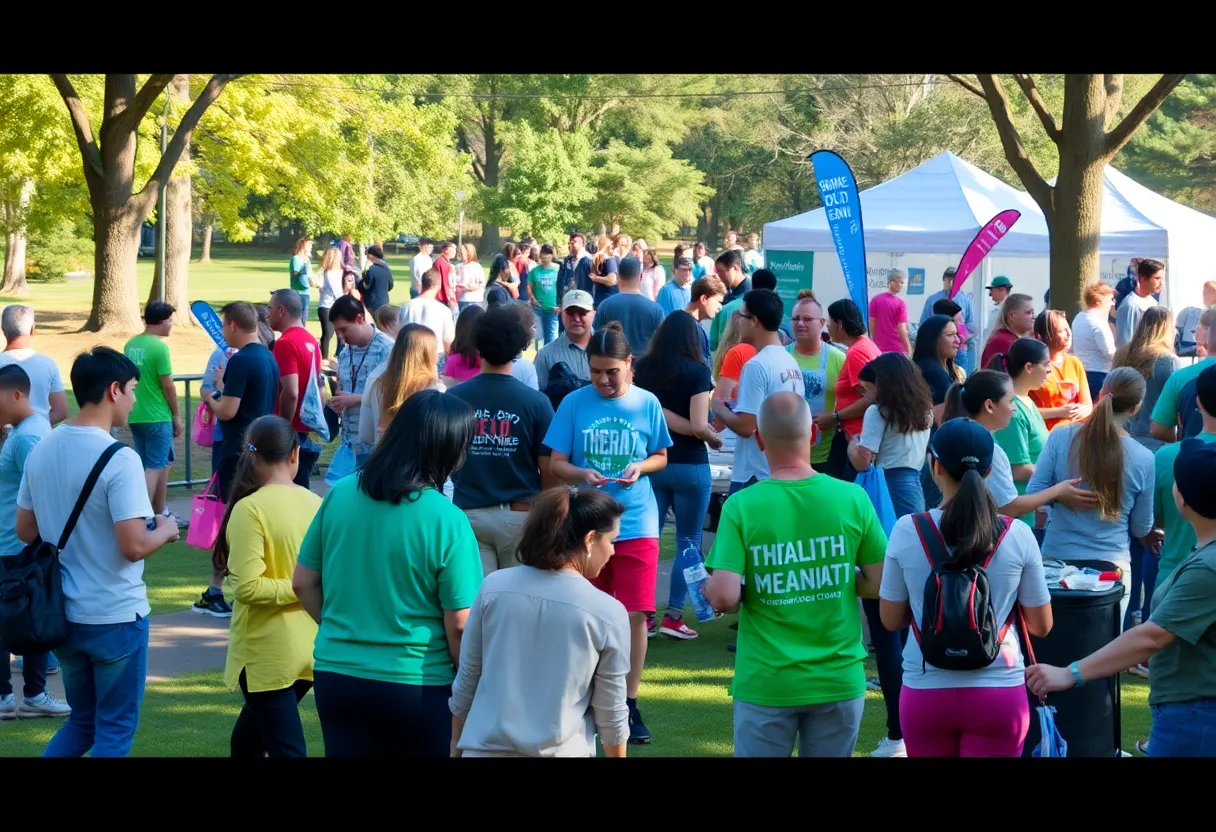
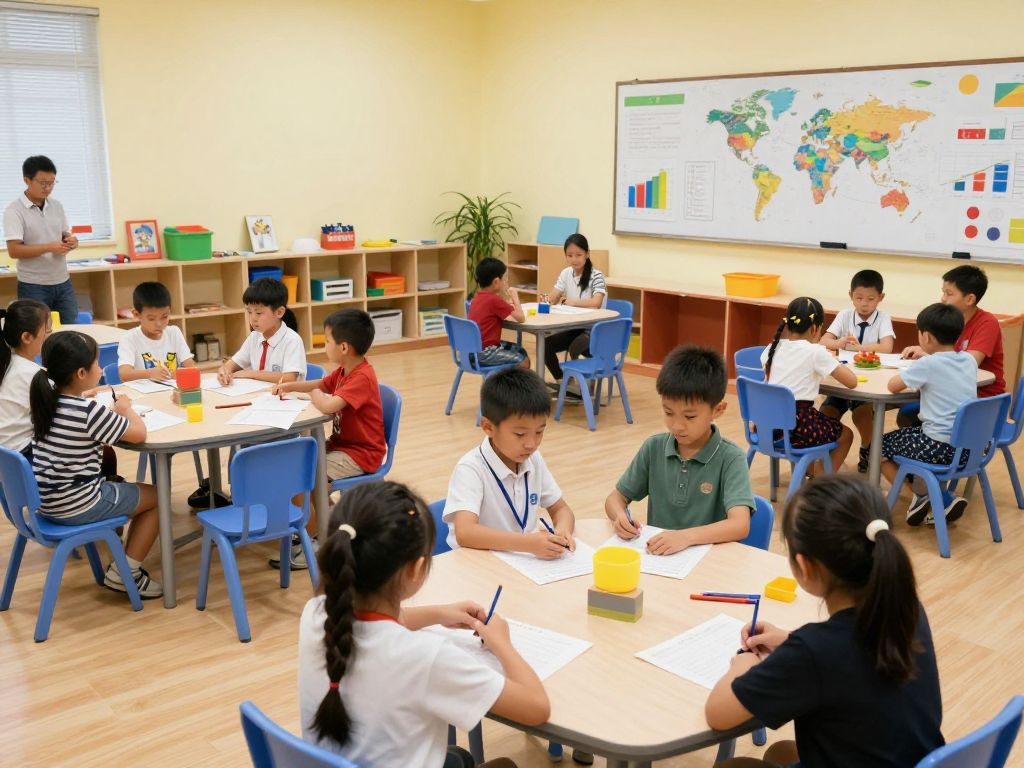
In Phoenix, Arizona, the Boys and Girls Clubs are pivotal in fostering economic growth and workforce stability. These organizations support working families by providing affordable after-school programs, enabling parents to keep jobs and pursue career advancement. With significant investments in youth development, the Clubs enhance financial literacy and contribute to higher graduation rates, ultimately benefiting the local economy. By collaborating with community partners, they create a stable workforce that supports small businesses and drives economic resilience across Arizona.
Phoenix, Arizona –
Arizona Clubs: Catalysts for Economic Growth and Workforce Stability
In the vibrant and rapidly expanding economic landscape of Phoenix, Arizona, a fundamental pillar of community strength and economic vitality often operates behind the scenes: the Boys and Girls Clubs of Arizona. These organizations are more than just after-school programs; they are crucial engines driving economic returns and bolstering workforce stability across the state. By nurturing the potential of the next generation and providing essential support for working families, the Clubs embody the spirit of entrepreneurial innovation and personal achievement that defines Arizona’s progress.
A thriving economy relies on a skilled and stable workforce, and Arizona faces ongoing challenges in ensuring every resident has the opportunity to contribute. With a significant number of Arizona youth between the ages of 5 and 18, Boys and Girls Clubs step in to provide critical out-of-school support, enabling parents to maintain consistent employment and pursue career advancement. This foundational support contributes directly to the resilience of Phoenix AZ business and the broader state economy.
Investing in Arizona’s Future Workforce
The Boys and Girls Clubs of Arizona play an indispensable role in strengthening the state’s workforce. When parents have access to high-quality, affordable, and reliable out-of-school-time care, they are better able to stay employed, pursue career growth, and fortify Arizona’s workforce. This stability extends across communities, fostering reliable employees, stronger neighborhoods, and reducing strain on public systems. For example, 95% of parents agree that Clubs help them keep their jobs. The average household income for Boys & Girls Clubs of the Valley members is $37,368, with nearly 50% from single-parent households, highlighting the need for affordable care to ensure financial independence for caregivers. This enhanced opportunity for parents to work contributed $166.6 million to Arizona’s economy in fiscal year 2021 alone. Overall, the Boys & Girls Clubs of the Valley invested over $15 million in after-school and summer enrichment programs and operations to serve more than 13,000 K-12 youth in 2020-2021. This investment generated a total value of monetized socio-economic benefits for Club members, their families, and the Maricopa County economy exceeding $236 million. For every dollar invested in operations and capital expenditures during that time, the Clubs delivered $15.60 in benefits in Maricopa County.
Economic Self-Sufficiency Through Skill Building
Central to the Clubs’ mission is empowering youth to achieve economic self-sufficiency. Programs such as Money Matters focus on equipping teens with essential financial literacy skills, including saving, budgeting, investing, and managing debt responsibly. This curriculum helps young people develop the confidence and decision-making skills needed to make sound financial choices throughout their lives and understand how to use money as a tool to achieve their goals. Research indicates that financial literacy is critical for one’s stability because it provides individuals with the knowledge and confidence to manage their finances effectively. Through the Money Matters program, teens show improved financial management skills, including saving money and sticking to a budget. These life skills, such as responsibility, self-confidence, communication, problem-solving, and decision-making, are crucial for workplace readiness and lifelong financial stability. This directly nurtures the next generation of Arizona AZ entrepreneurs and a resilient workforce.
Community Partnerships and Private Investment
The success of Arizona’s Boys and Girls Clubs is significantly bolstered by robust community partnerships and private investment. Local municipalities experience a steady infusion of economic activities due to the Clubs’ investments in capital improvements, purchasing, and maintenance. Many Boys & Girls Clubs partner with schools to provide out-of-school support, demonstrating a collaborative approach to youth development. Boys & Girls Clubs of America cannot address Nationwide workforce needs alone. They collaborate with industry, nonprofit, government, and education partners to identify solutions and strategies to support youth in career preparation. This collaborative model ensures that resources are maximized and that programs are aligned with the needs of both youth and the local economy. In Arizona, the Boys & Girls Clubs of the Valley collaborated with Terros Health to provide free behavioral health services to youth, a program partially funded by a $3 million grant from the Arizona Department of Education and an additional $6 million from three philanthropic foundations. This public-private partnership highlights the collective commitment to supporting the “Whole Child Approach” which addresses the social and emotional stress among children and teens.
A Foundation for Small Business Resilience
A stable and skilled workforce is a cornerstone for the resilience and growth of Phoenix small business. Boys & Girls Clubs contribute to this by providing programs that prepare youth for the 21st-century workforce, building knowledge, skills, and experiences that are valuable over a lifetime. Clubs help youth develop essential soft skills like perseverance, communication, and problem-solving, alongside hard skills such as digital literacy, STEM skills, and financial literacy, all of which are transferable across various industries. These efforts address the challenge many U.S. employers face in finding qualified workers, an obstacle to growth that does not have to define the next generation of America’s workforce. By cultivating future employees with strong foundational skills and positive character traits, the Clubs indirectly support the sustained success of local enterprises and foster broad economic growth.
Fostering a Stable and Productive Community
The impact of Boys and Girls Clubs extends beyond individual skill development to create a more stable and productive community overall. These organizations provide safe spaces where young people can learn and grow, offering structured out-of-school programs that prepare them for academic, social, and emotional success. They focus on increasing high school graduation rates and decreasing school absenteeism. For instance, 95% of teens involved with Boys and Girls Clubs are estimated to graduate from high school, which is about 10% higher than the average across the 12 school districts served by the Boys & Girls Clubs of the Valley. This improved graduation rate translates into a $10.3 million economic gain in lifetime earnings over 40 years. Furthermore, these evidence-based youth programs contribute to a reduction in juvenile criminal activity and lower rates of teenage pregnancy and motherhood, leading to significant cost savings for society. For every dollar invested in Boys & Girls Clubs Nationwide, an estimated $9.60 is returned in current and future earnings and cost-savings to communities. In Arizona, for every dollar invested in Boys & Girls Clubs of the Valley, $14.79 in community benefit is generated, totaling nearly $400 million in annual social and economic value across education, health, workforce, and public safety sectors. These comprehensive benefits underscore how investing in youth development is an investment in the long-term stability and prosperity of Arizona’s communities.
Conclusion
The Boys and Girls Clubs of Arizona stand as a powerful testament to the impact of dedicated community organizations, strategic partnerships, and focused investment in human potential. By offering safe environments, fostering personal responsibility, and equipping youth with critical life and workforce skills, these Clubs are not merely supervising children; they are actively shaping Arizona’s economic future. Their role in supporting working families, cultivating future entrepreneurs, and strengthening the overall workforce delivers substantial economic returns that benefit every resident. As we look ahead, continued engagement with and support for these vital institutions will undoubtedly contribute to a more prosperous, resilient, and thriving Phoenix and a stronger Arizona economy for generations to come.
Frequently Asked Questions
- How do Arizona Boys and Girls Clubs contribute to workforce stability?
- Arizona Boys and Girls Clubs enhance workforce stability by providing high-quality, affordable, and reliable out-of-school-time care for youth. This support allows parents to maintain consistent employment, pursue career growth, and strengthen Arizona’s workforce. Approximately 95% of parents agree that Clubs help them keep their jobs.
- What is the economic return on investment for Boys and Girls Clubs in Arizona?
- For every dollar invested in Boys & Girls Clubs of the Valley, $14.79 in community benefit is generated, totaling nearly $400 million in annual social and economic value across education, health, workforce, and public safety sectors. For every dollar invested in Club operations and capital expenditures in Maricopa County during 2020-2021, the Clubs delivered $15.60 in benefits.
- What skills do Boys and Girls Clubs programs teach for economic self-sufficiency?
- Boys and Girls Clubs programs, such as Money Matters, equip teens with essential financial literacy skills including how to save, budget, invest, borrow, and manage debt responsibly. They also develop critical life skills like responsibility, self-confidence, communication, problem-solving, and decision-making, which are vital for workplace readiness.
- How do Boys and Girls Clubs impact high school graduation rates in Arizona?
- Boys and Girls Clubs positively impact high school graduation rates, with 95% of teens involved with the Clubs estimated to graduate from high school. This is about 10% higher than the average across the 12 school districts served by the Boys & Girls Clubs of the Valley. This improved rate results in a $10.3 million economic gain in lifetime earnings over 40 years.
- Do Boys and Girls Clubs partner with other organizations?
- Yes, Boys and Girls Clubs collaborate with various partners. For instance, Boys & Girls Clubs of America partners with industry, nonprofit, government, and education entities to address Nationwide workforce needs. In Arizona, the Boys & Girls Clubs of the Valley partnered with Terros Health and received grants from the Arizona Department of Education and philanthropic foundations to provide behavioral health services.
Key Features of Boys and Girls Clubs’ Economic Impact
| Feature | Description | Scope |
|---|---|---|
| Workforce Stability for Parents | Provide affordable, reliable out-of-school care, enabling parents to stay employed and advance careers. Approximately 95% of parents agree Clubs help them keep their jobs. | State-level (Arizona) |
| Economic Return on Investment | Every $1 invested in Boys & Girls Clubs of the Valley generates $14.79 in community benefit, totaling nearly $400 million annually in socio-economic value across various sectors. | State-level (Arizona) |
| Financial Literacy Programs | Offer programs like “Money Matters” to teach teens essential financial skills: saving, budgeting, investing, and debt management, fostering lifelong financial stability. | Nationwide & State-level (Arizona) |
| High School Graduation Rates | Contribute to significantly higher high school graduation rates; 95% of Club teens are estimated to graduate, 10% higher than the average in served Arizona school districts. | State-level (Arizona) |
| Lifetime Earnings Increase | Improved graduation rates contribute to an estimated $10.3 million economic gain in lifetime earnings over 40 years for Club members. | State-level (Arizona) |
| Community and Business Partnerships | Collaborate with schools, businesses, and philanthropic organizations to deliver comprehensive youth development and address broader community needs. | Nationwide & State-level (Arizona) |
| Reduction in Societal Costs | Programs lead to reductions in juvenile criminal activity, teenage pregnancy, and other societal issues, resulting in significant cost savings. | State-level (Arizona) & Nationwide |
Deeper Dive: News & Info About This Topic
HERE Resources
Arizona School Celebrates Elite Boys Swim & Dive Team Announcement
Students at Xavier College Prep Raise Funds for Mental Health
Arizona Joins Lawsuit Against Education Funding Freeze
Funding Freeze Threatens Arizona’s K-12 Education Programs
Federal Education Funding Freeze Impacts Arizona Schools
Funding Freeze Impacts Arizona Schools
Salt River Project Expands Sustainability Initiatives for Arizona Businesses