

News Summary
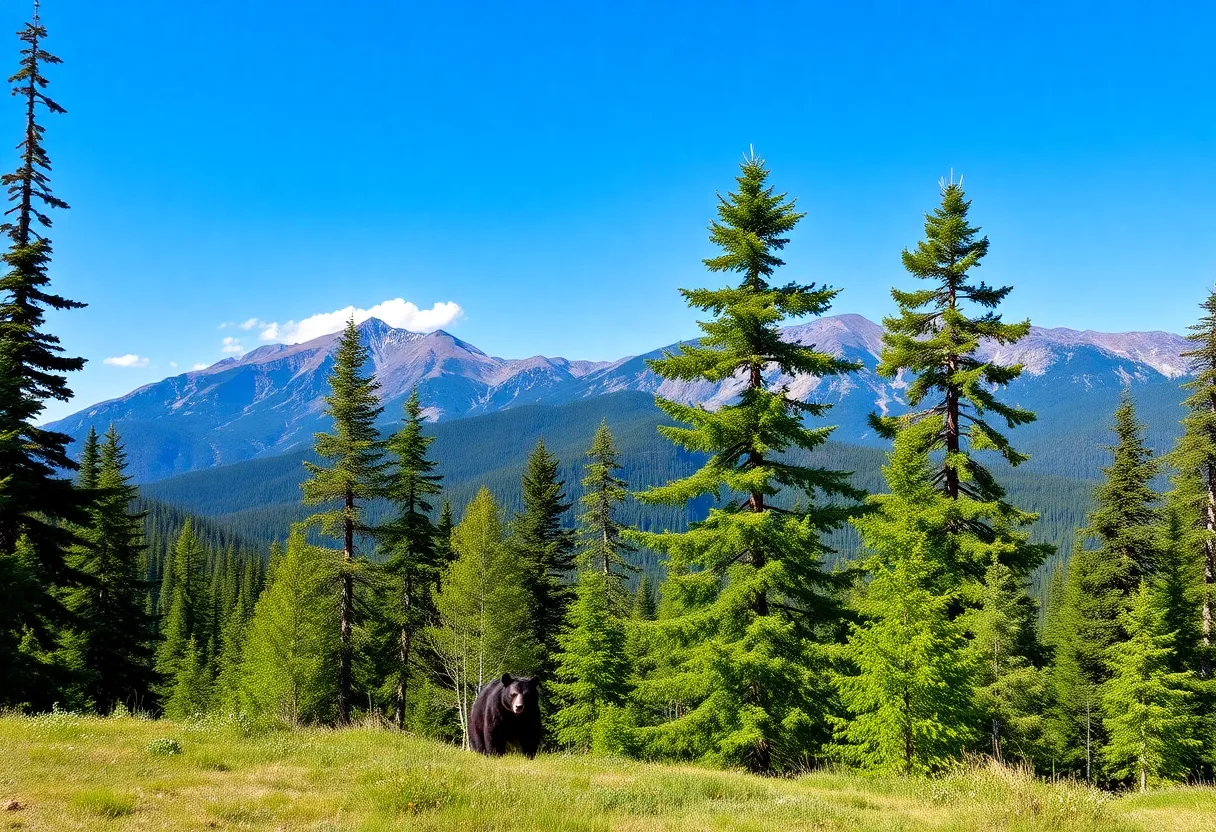
A University of Arizona researcher is studying the American black bear population in the Chuska Mountains on the Navajo Nation. This important study aims to estimate bear numbers and integrate cultural perspectives into wildlife management, fostering community collaboration. With three main objectives, including population estimation and exploring cultural significance, the research blends scientific methods with traditional knowledge, aiming to inform conservation efforts and enhance human-bear interaction strategies.
University of Arizona Researcher Investigates Black Bear Population in Chuska Mountains
Phoenix, AZ – A researcher from the University of Arizona is conducting a groundbreaking study to estimate the population of American black bears in the Chuska Mountains, located on the Navajo Nation. This vital research aims to provide updated data on bear numbers, which is critical for informing wildlife management and conservation efforts in the region, deepening the interplay between ecological science and cultural significance.
The significance of this study extends beyond mere population estimates; it embraces the cultural context of wild black bears within the Navajo community. The research employs innovative methodologies to engage both scientific and traditional ecological perspectives, ultimately fostering a collaborative approach to wildlife management that resonates with both ecological and social values.
Research Objectives and Methodology
The study has three main objectives:
- Estimate black bear abundance: Utilizing hair-snare sampling, non-invasive genetic sampling, and spatial capture-recapture methods to determine bear numbers in the Chuska Mountains.
- Explore cultural significance: Conducting interviews with Navajo community members to understand the cultural and spiritual importance of black bears.
- Investigate human-bear interactions: Using surveys to examine the dynamics of human-bear interactions, focusing on conflicts and coexistence within the community.
In the summer of 2024, the research team established 36 hair-snare stations in the northern Chuska Mountains, collecting 885 hair samples, with 711 currently under analysis. Furthermore, 45 survey responses have been received to date, providing insightful data on human-bear interactions within the community.
Significance of the Study
Black bears hold significant cultural value for the Navajo people, representing strength, protection, and balance within the ecosystem. This research emphasizes the importance of integrating Traditional Ecological Knowledge (TEK) into contemporary wildlife management strategies, ensuring alignment with both ecological requirements and cultural values. The findings from this study are expected to guide black bear management and conflict resolution strategies, while also supporting the transmission of traditional knowledge and laying a foundation for the conservation of other wildlife species in the area.
Background Context
The necessity for updated research is underscored by the fact that the last ecological study of black bears on the Navajo Nation was conducted in the 1980s. The Navajo Nation Department of Fish and Wildlife has prioritized the American black bear due to the uncertainties surrounding its population status and the complexities of human-bear interactions. This current research initiative is part of ongoing efforts to fill these knowledge gaps and promote effective wildlife conservation within the Navajo Nation.
Key Features of the Research
| Feature | Description |
|---|---|
| Research Objectives | Estimate black bear abundance, explore cultural significance, investigate human-bear interactions |
| Methodology | Hair-snare sampling, non-invasive genetic sampling, spatial capture-recapture methods, interviews, surveys |
| Significance | Integrate Traditional Ecological Knowledge into wildlife management, inform conservation efforts |
| Last Study | Conducted in the 1980s, highlighting the need for updated data |
| Expected Outcomes | Inform management strategies, ensure transmission of traditional knowledge, conserve wildlife species |
Conclusion
This ambitious research initiative led by the University of Arizona illustrates the commitment to both scientific integrity and cultural respect in the field of wildlife management. The outcomes of this study hold the promise of advancing black bear management strategies while honoring the rich traditions of the Navajo community. As the research unfolds, it will be crucial for stakeholders in Arizona’s higher education and wildlife conservation sectors to stay informed and engaged, fostering a collaborative environment that values innovation and community stewardship.
Frequently Asked Questions (FAQ)
What is the purpose of the University of Arizona’s black bear research in the Chuska Mountains?
The research aims to estimate the population of American black bears in the Chuska Mountains to inform wildlife management and conservation efforts on the Navajo Nation.
How is the research being conducted?
The study utilizes hair-snare sampling, non-invasive genetic sampling, and spatial capture-recapture methods to estimate bear abundance. Additionally, interviews with Navajo community members and surveys on human-bear interactions are being conducted.
Why is this research significant?
Black bears are culturally significant to the Navajo people, symbolizing strength and balance. Integrating Traditional Ecological Knowledge into wildlife management strategies is essential to align with both ecological and cultural values.
When was the last ecological study of black bears on the Navajo Nation conducted?
The last ecological study of black bears on the Navajo Nation was conducted in the 1980s, highlighting the need for updated population estimates.
What are the expected outcomes of this research?
The research is expected to inform black bear management and conflict resolution, ensure the transmission of traditional knowledge, and lay a foundation for conserving other wildlife species in the area.
Deeper Dive: News & Info About This Topic
HERE Resources

Author: STAFF HERE PHOENIX WRITER
The PHOENIX STAFF WRITER represents the experienced team at HEREPhoenix.com, your go-to source for actionable local news and information in Phoenix, Maricopa County, and beyond. Specializing in "news you can use," we cover essential topics like product reviews for personal and business needs, local business directories, politics, real estate trends, neighborhood insights, and state news affecting the area—with deep expertise drawn from years of dedicated reporting and strong community input, including local press releases and business updates. We deliver top reporting on high-value events such as the Waste Management Phoenix Open, Cactus League Spring Training, and Arizona State Fair. Our coverage extends to key organizations like the Greater Phoenix Chamber of Commerce and Visit Phoenix, plus leading businesses in technology and healthcare that power the local economy such as Intel and Banner Health. As part of the broader HERE network, including HERETucson.com, we provide comprehensive, credible insights into Arizona's dynamic landscape.