
10 Essential Tips for Choosing the Best Mulch for Your Phoenix Garden
Selecting the appropriate mulch is a critical step in cultivating a thriving, aesthetically pleasing garden in Phoenix, Arizona. The region’s extreme desert climate poses unique challenges, including intense heat, low rainfall, and soil conditions that demand tailored solutions. Making an informed choice about mulch not only enhances plant health but also optimizes water conservation efforts and minimizes maintenance. Below are ten carefully considered tips designed to guide you in selecting the most suitable mulch for your Phoenix garden.
1. Understand the Role of Mulch in Desert Landscaping
Mulch fulfills several vital functions in desert environments:
- Moisture Conservation: It significantly reduces soil water evaporation, which is crucial in arid climates where water resources are scarce.
- Temperature Regulation: Mulch acts as an insulator, maintaining cooler soil temperatures during scorching summers and providing warmth during cooler winter nights.
- Weed Suppression: Effective in blocking sunlight, mulch inhibits weed germination and growth, reducing the need for chemical or manual removal.
- Soil Enrichment: Organic mulches decompose over time, gradually enriching the soil with nutrients essential for plant vitality.
2. Choose Mulch Materials Suited for Phoenix’s Climate
The unique heat and dryness of the Phoenix environment favor inorganic mulches:
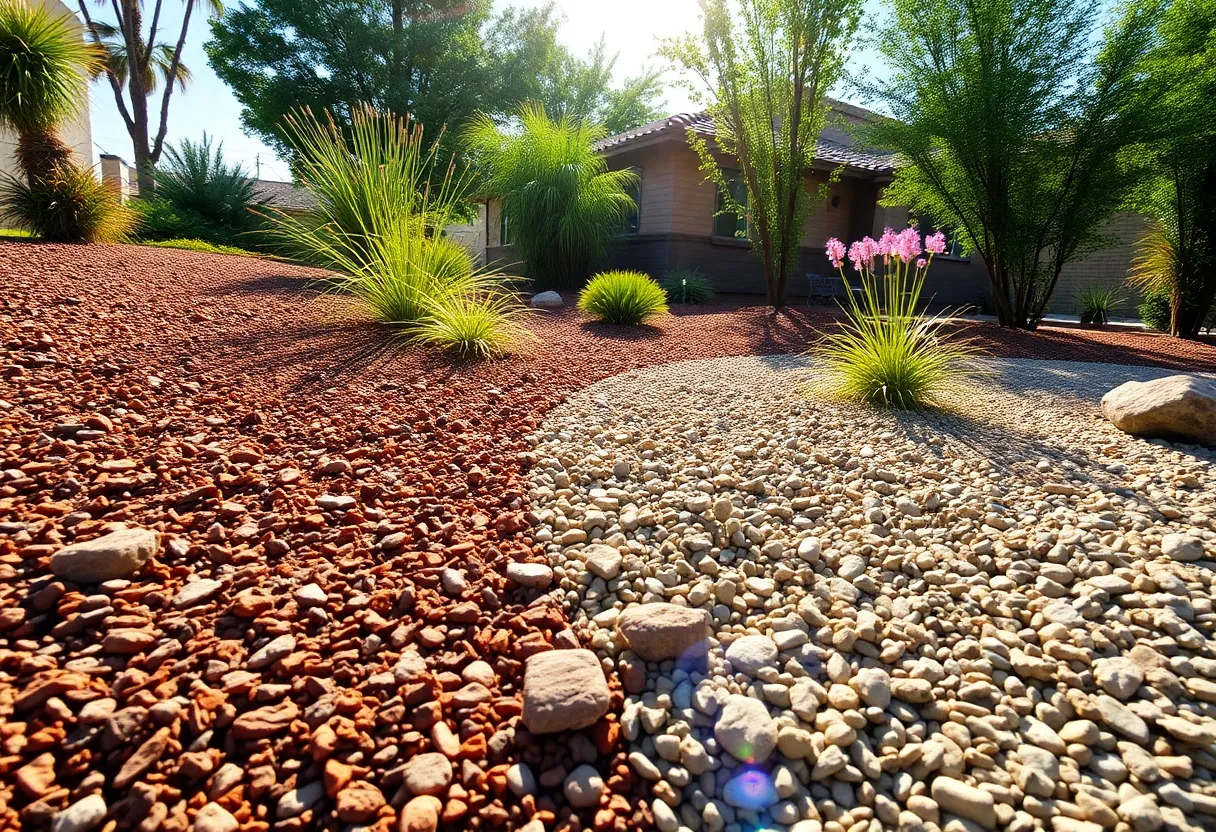
- Decomposed Granite: Provides a natural appearance with excellent water infiltration. Available in various colors, it complements desert landscapes.
- Crushed Rock: Highly durable and effective at weed suppression. Be aware that it can retain heat, so it should be used thoughtfully, especially around sensitive plants.
- Gravel: Ensures excellent drainage but offers less temperature moderation. Use for xeriscaping or dry-plant beds.
Organic mulches, such as wood chips or bark, tend to decompose rapidly under Phoenix’s heat, necessitating frequent replenishments which may not be practical for large or low-maintenance landscapes.
3. Consider Mulch Color and Heat Reflection
The color of mulch influences heat reflection and soil temperature:
- Lighter-colored mulches, like pale granite or gravel, reflect sunlight, helping to keep soil temperatures lower.
- Dark mulches tend to absorb heat, potentially raising soil and root temperatures dangerously high for plants during summer.
4. Apply Mulch at the Correct Depth
Proper mulch thickness maximizes benefits while preventing adverse effects:
- Inorganic mulches such as decomposed granite or gravel should be applied at a depth of 2-3 inches.
- Ensure mulch remains loose and avoids piling against plant trunks or stems, which can cause rot or pest issues.
5. Maintain Mulch Regularly
Ongoing upkeep preserves mulch efficacy:
- Annually inspect mulch depths and add or replace material to maintain consistent coverage.
- Remove debris, compacted layers, or any weed growth within the mulch to facilitate water penetration and airflow.
6. Avoid Using Mulch Near Structures
Maintain safety and structural integrity:
- Keep mulch a few inches away from building foundations and walls.
- In direct contact, mulch may attract pests such as termites and contribute to moisture issues that can damage structures.
7. Be Cautious with Dyed Mulches
Colored mulches may contain chemicals:
- Many dyed mulches use additives like dyes that could leach into the soil. While some environmentally safe dyes are available, caution is advised around edible or sensitive plants.
8. Consider Local Sources for Mulch
Local sourcing offers multiple advantages:
- Mulches from nearby suppliers are often better suited to Phoenix’s specific climate and soil conditions.
- Using local materials supports regional sustainability efforts and reduces environmental impact due to transportation.
9. Understand the Environmental Impact
Environmental sustainability should guide mulch selection:
- Opt for mulches made from recycled or non-derivative materials to avoid contributing to deforestation or habitat disruption.
- Select mulches that have minimal chemical treatment, especially for edible and aromatic plants.
10. Consult with Local Experts
Professional guidance ensures optimal outcomes:
- Engage with landscape professionals, nurseries, or garden centers familiar with local conditions.
- Customized advice on mulch type, application, and maintenance can improve the health and appearance of your Phoenix garden.
Conclusion
Choosing the correct mulch requires understanding the specific needs dictated by Phoenix’s climate. Prioritizing inorganic options with suitable colors and textures, applying at proper depths, and maintaining a vigilant upkeep routine will result in healthier plants and a more sustainable landscape. Tailoring your mulch choices to local conditions maximizes water efficiency, plant survival, and visual appeal.
Frequently Asked Questions
What types of mulch are best suited for the extreme heat in Phoenix?
Inorganic mulches like decomposed granite, crushed rock, and gravel are most suitable. They provide durability, effective weed suppression, and help regulate soil temperature, especially when light-colored.
How deep should mulch be applied in a desert garden?
Generally, inorganic mulches should be spread at a depth of 2-3 inches. This depth balances moisture retention with air circulation and prevents issues like mold or pests.
Are dyed mulches safe to use around edible plants?
Dyed mulches may contain chemicals that could leach into the soil. For edible gardens, it is safer to select natural, undyed mulches to avoid potential health concerns.
Can I use organic mulch in my Phoenix garden?
Organic mulches decompose quickly under Phoenix’s heat, which might require frequent replenishment. They are best suited for shaded or less extreme areas or for gardens prioritizing soil enrichment over water conservation.
How often should I maintain or replace mulch in a desert landscape?
Inspect your mulch annually, replenishing as needed to maintain effective coverage. Remove debris and compacted layers regularly to ensure proper water and air flow.
Key Features of Effective Mulching in Phoenix Gardens
| Feature | Description |
|---|---|
| Climate Suitability | Focus on inorganic, heat-reflective mulches like granite and gravel to withstand high temperatures. |
| Color & Heat Reflection | Lighter colors reflect sunlight, keeping soil cooler and protecting plant roots. |
| Application Depth | Apply 2-3 inches for inorganic mulch, ensuring proper coverage without piling against stems. |
| Maintenance Frequency | Annual inspections and replenishments prevent compaction, debris accumulation, and effectiveness decline. |
| Environmental Impact | Select recycled or minimally processed mulches for sustainability and habitat preservation. |
| Local Sourcing | Supports regional economies and ensures mulch suitability for regional soil and climate conditions. |