

Phoenix, Arizona, December 16, 2025
Phoenix, Arizona is rapidly becoming a key player in the solar energy sector, demonstrating a strong commitment to renewable energy and economic dynamism. Ranking fourth nationally for solar installations, Arizona’s entrepreneurial landscape fosters technological advancements and job creation in the solar industry. As the state navigates challenges in federal permitting and regulations, its proactive business community continues to embrace solar innovations, promising significant economic growth and community benefits in both the short and long term.
Phoenix, Arizona’s bustling capital, is rapidly solidifying its reputation as a leading hub for innovation and economic dynamism, particularly within the expanding solar energy sector. The Grand Canyon State has demonstrably established itself among the nation’s top states for solar installations, a testament to the persistent ingenuity of local entrepreneurs and the deep resilience of its small businesses. This impressive growth unfolds even as the industry navigates ongoing discussions surrounding federal permitting processes and evolving regulatory frameworks.
Arizona’s leadership in renewable energy underscores a powerful combination of natural advantages—abundant sunshine—and a commitment from its business community to harness these resources for sustainable economic progress. The proactive spirit of Phoenix AZ business owners, coupled with strategic investments and technological advancements, continues to propel the state forward in the clean energy landscape. This momentum highlights how local determination can drive significant economic growth, creating opportunities and fostering a vibrant entrepreneurial environment.
A Leader in Solar Energy Adoption
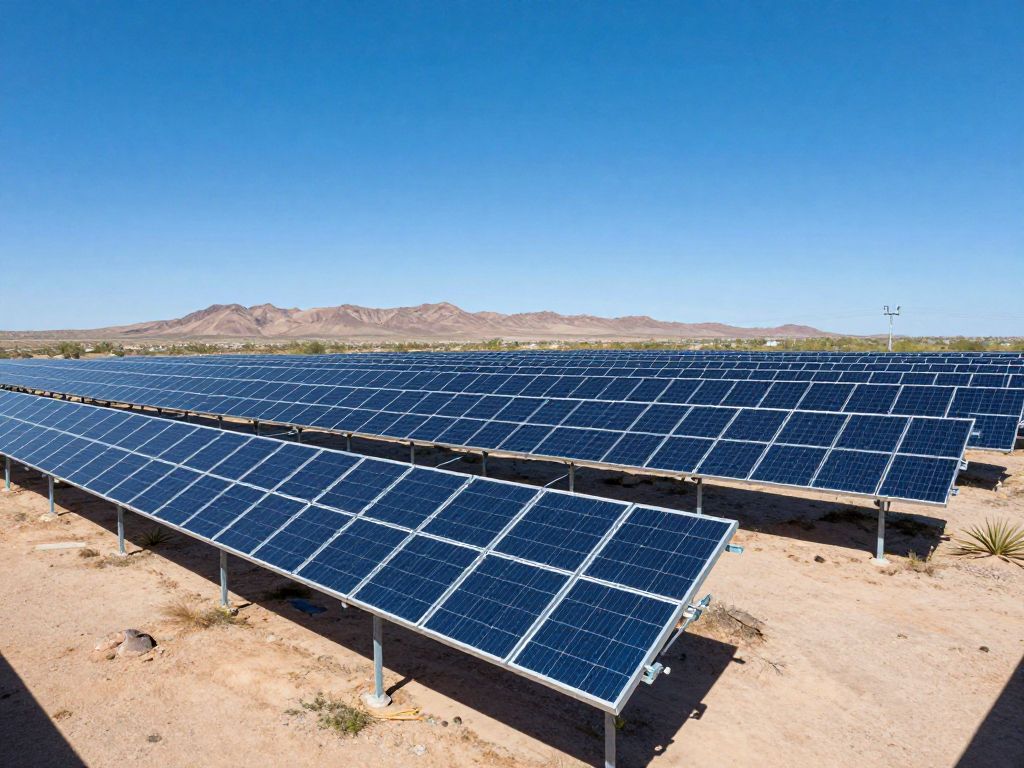
Arizona’s position as a national leader in solar energy is evident, with the state ranking fourth nationally for solar installations. This robust performance is driven by substantial capacity additions, including 6,457 megawatts installed in Q1, placing Arizona fifth nationally for total megawatts at that time, with projections indicating it will reach fourth place by 2028 with 10,651 megawatts. Solar energy currently accounts for 9.82% of Arizona’s electricity, with enough capacity to power approximately 984,047 homes.
The broader context of solar development Nationwide shows considerable progress, with over 54 gigawatts (GW) of grid-connected photovoltaic (PV) systems installed in the U.S. since 2000. Arizona’s solar market alone represented a total value of $16.5 billion in 2022, with $1.5 billion invested in solar during that year. This remarkable growth is also supported by economic efficiencies; the cost of solar installation in Arizona has decreased by 54% over the last decade.
Entrepreneurial Innovation and Growth
The vitality of Arizona’s solar sector is deeply rooted in its entrepreneurial landscape. The state is home to a significant number of solar companies, totaling 368, which include 76 manufacturers, 171 installers and developers, and 121 other related businesses. These diverse entities collectively employ 8,278 individuals within the state.
Arizona AZ entrepreneurs are at the forefront of technological advancements, driving innovation in areas such as cutting-edge photovoltaic cells and advanced solar storage solutions. Companies are also introducing new solar panel technologies designed to enhance energy efficiency and solar battery storage systems engineered to maximize energy storage and usage efficiency. Support for this innovation extends to academic institutions, with Arizona State University actively contributing to solar research, leading to improvements in efficiency and reductions in production costs. The adoption of commercial solar installations by Phoenix small business entities has yielded substantial benefits, reducing energy expenses by 60-85% on average. These investments often show a rapid payback period, typically within 3-5 years, and provide crucial protection against future energy rate increases.
Navigating Permitting and Policy Landscapes
Despite the impressive State-level growth, the solar industry in Arizona continues to address concerns related to federal permitting processes. Federal regulations and bureaucratic delays have been identified as factors contributing to rising energy prices and deterring investment in new energy projects Nationwide. The complexity is compounded by the fact that other federal agencies may possess permitting authority over various components of solar facilities Nationwide.
Lengthy environmental reviews mandated by the National Environmental Policy Act (NEPA) present a notable obstacle for some projects in Arizona, often involving extensive paperwork and years of waiting. Federal Energy Regulatory Commission’s (FERC) policies and Tribal concerns are also factors addressed in Federal permitting and approval processes Nationwide. There is a prevailing perspective that streamlining the permitting process could significantly accelerate energy deployment and economic growth, particularly in Arizona, where nearly 40% of the land is federally managed.
Policy uncertainty, encompassing changes at federal, state, and local levels, can influence the economic viability of solar energy investments. A key example is the federal investment tax credit for solar, which is scheduled to disappear in 2026. Furthermore, the Arizona Corporation Commission (ACC) has examined potential adjustments to the solar export rate, which impacts the compensation received by solar customers for excess energy fed into the grid. While some regulators suggest that cost-effective renewable energy should thrive without mandates, proponents argue that past renewable energy standards have been instrumental in catalyzing billions in investment and delivering substantial public benefits.
Economic Impact and Community Benefits
The solar industry profoundly stimulates Arizona’s economy, generating thousands of well-paying jobs across diverse sectors such as installation, manufacturing, and sales. These investments in solar technology extend beyond environmental advantages, actively contributing to job creation and strengthening energy independence for the state.
Commercial solar installations, in particular, contribute to increased property values, with commercial buildings seeing value increases of $20-30 per square foot. Such installations also enhance business reputations by showcasing a clear commitment to sustainability, a valuable asset in today’s market. Large-scale clean energy projects announced in Arizona in the wake of the Inflation Reduction Act are anticipated to create or support over 18,700 jobs and contribute billions to the state’s Gross Domestic Product during both construction and operational phases.
Moreover, programs like the Efficiency Arizona initiative, bolstered by federal funding, assist residents in upgrading to energy-efficient appliances. This not only leads to lower energy costs for families but also reduces peak demand on the grid and stimulates Phoenix small business growth by creating jobs for local contractors and electricians. These intertwined benefits illustrate the multifaceted positive impact of the solar industry on Arizona’s economic growth and community well-being.
In conclusion, Arizona’s commanding presence in the national solar industry is a testament to the state’s innovative spirit and robust entrepreneurial ecosystem. While navigating regulatory complexities and ensuring predictable policy environments remain crucial, the commitment of Arizona AZ entrepreneurs and local businesses continues to drive significant economic growth and job creation. By embracing smart policies and supporting local innovation, Phoenix can further solidify its position as a beacon for sustainable economic development. We encourage all members of the community to stay informed and engaged in the ongoing dialogue shaping Phoenix AZ business and Arizona’s dynamic economic future.
Frequently Asked Questions (FAQ)
- What is Arizona’s national ranking for solar installations?
- Arizona ranks fourth nationally for solar installations.
- How many solar companies operate in Arizona?
- There are 368 solar companies operating in Arizona, including 76 manufacturers, 171 installers/developers, and 121 other related businesses.
- What is the projected solar capacity for Arizona by 2028?
- Arizona is projected to reach 10,651 megawatts of installed solar capacity by 2028.
- How much has the cost of solar installation decreased in Arizona over the last decade?
- The cost of solar installation in Arizona is 54% lower than a decade ago.
- What are some challenges faced by the solar industry regarding federal regulations?
- The solar industry faces concerns regarding federal permitting processes, with federal regulations and bureaucratic delays contributing to rising energy prices and deterring investment in new energy projects Nationwide.
- What is the economic impact of large-scale clean energy projects in Arizona?
- Large-scale clean energy projects announced in Arizona are projected to create or support over 18,700 jobs and contribute billions to the state’s Gross Domestic Product during both construction and operational phases.
Key Features of Arizona’s Solar Industry
| Feature | Detail | Scope |
|---|---|---|
| National Ranking for Solar Installations | Fourth | Nationwide |
| Number of Solar Companies | 368 (including manufacturers, installers/developers, other businesses) | State-level |
| Total Jobs in Solar Industry | 8,278 | State-level |
| Projected Solar Capacity by 2028 | 10,651 megawatts | State-level |
| Solar Installation Cost Reduction (last decade) | 54% | State-level |
| Federal Permitting Concerns | Ongoing challenges with federal regulations and bureaucratic delays | Nationwide |
| Economic Impact of Large Clean Energy Projects | Over 18,700 jobs and billions in GDP contribution | State-level |
Deeper Dive: News & Info About This Topic
HERE Resources
University of Arizona Explores Orbital Data Centers
Arizona’s Economy Thrives in Semiconductor and Solar Industries
University of Arizona Researches Biostimulants for Lettuce Growth
University of Arizona and CNRS Forge International Research Pathways
10 Essential Tips for Understanding the Phoenix Real Estate Market as a First-Time Buyer
How to Choose the Best Renovation Styles for Your Phoenix Home: Tips and Inspiration
Torch Clean Energy Announces Solar Project in Cochise County
Arizona Residents Protest Against APS Rate Hike
Arizona Faces Rising Heat-Related Deaths Driven by Energy Poverty
Arizona’s Economic Resilience Amid Federal Policy Challenges