
Phoenix, Arizona, December 27, 2025
Air quality officials in Arizona have issued warnings about a major increase in pollution due to consumer fireworks as New Year’s Eve approaches. This surge in particulate matter, particularly PM2.5 and PM10, poses serious health risks to residents in the Phoenix metropolitan area and Maricopa County. The legal period for using fireworks extends from December 26 to January 4, coinciding with increased pollution levels caused by factors like temperature inversions. Vulnerable populations, including children and individuals with pre-existing conditions, are especially at risk.
Phoenix, Arizona
Air Quality Officials Warn of Significant Pollution Spike During Arizona’s Fireworks Season
Air quality officials across Arizona are issuing urgent warnings regarding a substantial increase in air pollution expected during the current fireworks season, particularly as New Year’s Eve approaches. This pollution, primarily from consumer fireworks, poses considerable health risks to residents throughout the Phoenix metropolitan area and Maricopa County. The legal period for using permissible consumer fireworks in Arizona began on December 26 and extends through January 4.
Understanding the Pollution Threat
The core of the problem lies in the tiny airborne particles, known as particulate matter (PM), specifically PM2.5 and PM10, released by fireworks and wood-burning activities. These particles are small enough to be inhaled deeply into the lungs and can even enter the bloodstream. During Arizona’s cooler fall and winter months, the region experiences a meteorological phenomenon called a temperature inversion. This inversion acts like a lid, trapping cooler air—and the pollutants within it—close to the ground. The mountains surrounding the region further exacerbate this effect, preventing the polluted air from mixing with cleaner air higher in the atmosphere.
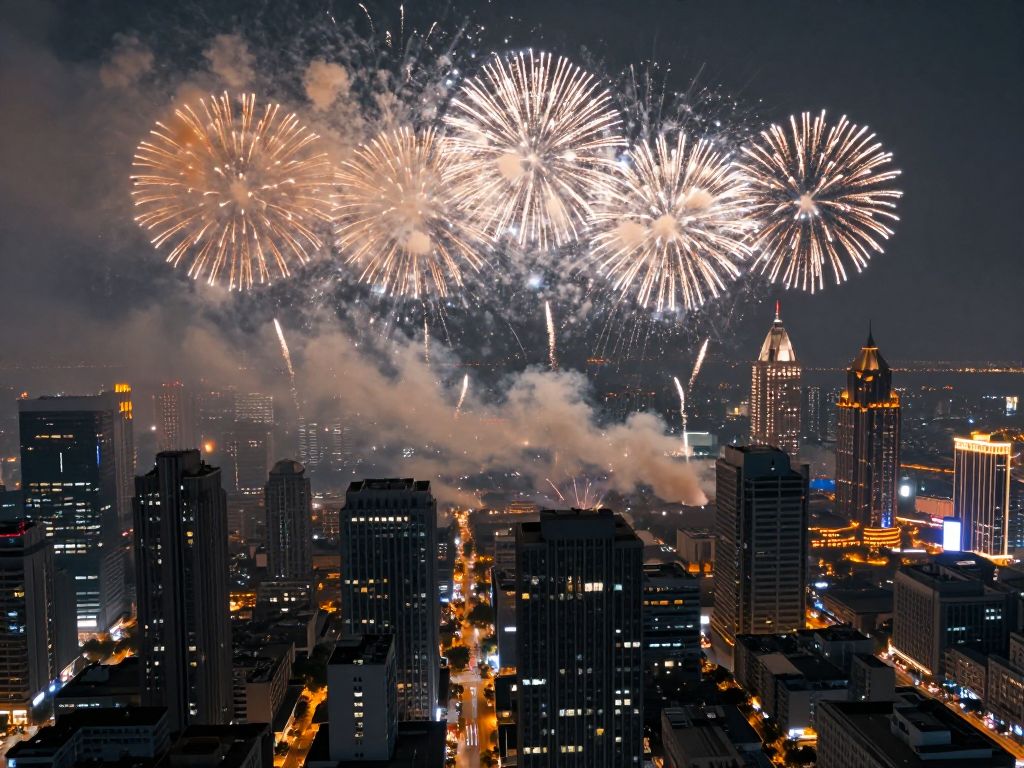
Unlike professional fireworks displays, which detonate at high altitudes allowing smoke to disperse, consumer fireworks explode much closer to the ground, concentrating harmful smoke where people breathe. Maricopa County’s air monitors consistently show that consumer fireworks are the leading cause of pollution spikes around the New Year. On New Year’s Day 2025, one air monitor in West Phoenix recorded air pollution levels that were among the worst globally, nearly 30 times the annual federal health standard, highlighting the severe impact of these activities.
Health Implications for Residents
Breathing in particle pollution is detrimental to everyone, including healthy adults, but certain groups are at a significantly higher risk. These vulnerable populations include children, older adults, pregnant individuals, and those with pre-existing heart or lung diseases such such as asthma, bronchitis, emphysema, or chronic obstructive pulmonary disease (COPD). The fine particulate matter can cause a range of immediate health effects, including burning eyes, runny nose, scratchy throat, coughing, sneezing, and shortness of breath. More seriously, exposure can worsen chronic lung diseases, impact lung function, and increase the likelihood of heart attacks. A local study in Maricopa County revealed a correlation between higher concentrations of air pollution and an increase in emergency room visits.
Beyond immediate health concerns, fireworks also release toxic gases such as sulfur dioxide, carbon dioxide, and carbon monoxide, along with harmful metals like aluminum, manganese, and cadmium, further compromising air quality.
Regulations and Safety Guidelines
While the sale and use of certain consumer fireworks are permitted statewide from December 26 through January 4, State-level regulations prohibit fireworks that are designed to rise into the air and explode or detonate. This means items like firecrackers, bottle rockets, Roman candles, and aerial shells are illegal. Local jurisdictions, such as Gilbert, have additional rules, allowing fireworks only on private property with owner permission during the New Year’s period of December 26 through January 3, and never on public property like parks or streets.
Maricopa County regularly issues High Pollution Advisories (HPAs) and “No Burn Days” when pollution levels are expected to exceed federal health standards. During these advisories, burning wood in residential fireplaces, chimeneas, and outdoor fire pits is prohibited. Residents are also encouraged to avoid activities that generate dust, such as driving on dirt roads and using leaf blowers.
Fire officials emphasize safety when using legal fireworks. This includes ensuring adult supervision, using fireworks only in open areas away from dry grass and buildings, keeping a bucket of water nearby, and properly soaking used fireworks for at least 24 hours before disposal. Illegal fireworks also contribute to significant noise disturbances, fire hazards, and increased air pollution.
Community Action and Resources
To mitigate the impact of poor air quality, officials encourage residents to consider alternatives to personal fireworks, such as attending professional displays where fireworks explode at higher altitudes. Other suggestions include using LED wands, glow sticks, or holiday luminaries. Limiting outdoor activity, especially for sensitive groups, is recommended during HPAs.
Residents can stay informed about current air quality conditions by visiting AirNow.gov, a national resource for air quality data. Maricopa County also provides email and text alerts for High Pollution Advisories and rising dust levels, which residents can sign up for. The Maricopa County Air Quality Department (MCAQD) offers resources and tips to help improve air quality, including incentives for converting wood-burning fireplaces to gas models.
Frequently Asked Questions (FAQ)
- What is causing the air pollution spike in Arizona during fireworks season?
- The air pollution spike is primarily caused by particulate matter (PM2.5 and PM10) released from consumer fireworks and wood-burning activities. This pollution gets trapped near the ground due to winter temperature inversions.
- When is the legal period for using consumer fireworks in Arizona?
- The legal period for using permissible consumer fireworks in Arizona is from December 26 through January 4.
- What are the health risks associated with this air pollution?
- Breathing in the particle pollution can cause burning eyes, runny nose, scratchy throat, coughing, sneezing, shortness of breath, and can worsen existing lung diseases like asthma and bronchitis. It can also impact lung function and increase the chances of heart attacks.
- Who is most vulnerable to the health effects of air pollution from fireworks?
- Children, older adults, pregnant individuals, and those with pre-existing heart or lung diseases are especially vulnerable to the effects of air pollution.
- What types of fireworks are illegal in Arizona?
- Fireworks that are designed to rise into the air and explode or detonate, such as firecrackers, bottle rockets, Roman candles, and aerial shells, are illegal in Arizona.
- What are “No Burn Days” and what restrictions apply?
- “No Burn Days” are declared by Maricopa County when pollution levels are expected to exceed federal health standards. During these days, wood burning in residential fireplaces, chimeneas, and outdoor fire pits is prohibited. Residents are also advised to avoid activities like driving on dirt roads and using leaf blowers.
- How can residents stay informed about air quality and protect themselves?
- Residents can check AirNow.gov for air quality data and sign up for email or text alerts from the Maricopa County Air Quality Department for High Pollution Advisories. Limiting outdoor activity, especially for sensitive groups, and considering alternatives to personal fireworks are also recommended.
Key Features of Arizona’s Air Quality Warning During Fireworks Season
| Feature | Description | Geographic Scope |
|---|---|---|
| Primary Cause of Pollution | Particulate matter (PM2.5 and PM10) from consumer fireworks and wood burning. | Maricopa County |
| Contributing Weather Phenomenon | Winter temperature inversions trapping pollutants close to the ground. | Maricopa County |
| Legal Fireworks Use Period | December 26 through January 4 for permissible consumer fireworks. | State-level |
| Illegal Fireworks | Fireworks designed to rise into the air and explode or detonate (e.g., firecrackers, bottle rockets, aerial shells). | State-level |
| Health Risks | Respiratory issues (asthma, bronchitis), heart attacks, eye/throat irritation. | Nationwide (health impacts from particle pollution) |
| Vulnerable Populations | Children, older adults, pregnant individuals, and those with heart or lung diseases. | Nationwide (vulnerability to particle pollution) |
| Record Pollution Event (Jan 1, 2025) | One West Phoenix air monitor recorded the third-worst air pollution level in the world, nearly 30 times the annual standard. | Phoenix area |
| “No Burn Days” | Prohibit wood burning in fireplaces and outdoor fire pits during high pollution periods. | Maricopa County |
| Recommended Actions | Limit outdoor activity, avoid personal fireworks, attend professional displays, check air quality alerts. | Local (Maricopa County), Nationwide (general advice) |
Deeper Dive: News & Info About This Topic
HERE Resources
Phoenix Ranks Fourth in Ozone Pollution