
Southern Arizona, January 11, 2026
Southern Arizona is experiencing significant economic development with the advancement of two major data center projects in Marana and near Tucson, known as ‘Project Blue.’ These initiatives highlight Arizona’s appeal for technological investment while raising vital discussions regarding power and water resource management. As these data centers are set to create thousands of jobs and substantial tax revenue, the state balances economic growth with sustainability challenges.
Phoenix, AZ
Arizona’s Digital Horizon: Data Centers Advance Amidst Growth Dialogue
Southern Arizona is witnessing a significant stride in its economic development with two major data center projects progressing. This advancement underscores the region’s appeal for technological investment while simultaneously igniting important conversations about managing vital resources like power and water, shaping the path for sustainable economic expansion.
Arizona’s reputation as a burgeoning hub for innovation and enterprise continues to attract significant investment, driving economic growth across the state. The entrepreneurial spirit and a strategic commitment to fostering a favorable business environment have positioned the Grand Canyon State as a prime location for new ventures and technological infrastructure. This forward momentum is particularly evident in the digital sector, where data centers are becoming increasingly integral to the modern economy. As two substantial data center projects in Southern Arizona move closer to realization, they highlight the dynamic interplay between economic opportunity and the crucial need for thoughtful resource management.
These developments reflect the determination of local entrepreneurs and the appeal of Arizona’s competitive landscape for businesses seeking to expand. The state’s approach to economic policy, often characterized by efforts to streamline regulations and offer competitive incentives, aims to create an environment where private investment can flourish and contribute to robust job creation and community prosperity. However, this growth also necessitates a balanced and factual assessment of infrastructure capabilities and environmental stewardship, ensuring that progress benefits all Arizonans.
Driving Economic Growth: The Digital Backbone
Data centers are rapidly becoming a cornerstone of Arizona’s economic landscape, serving as the essential infrastructure for the digital age. These facilities, which house the servers and computing power necessary for cloud services, artificial intelligence, and everyday online activities, contribute substantially to the state’s financial health. In 2020, data centers in Arizona were estimated to have generated 7,470 jobs and contributed $1.5 billion in economic output across the state. The industry’s impact continued to grow, contributing $8.6 billion to Arizona’s Gross Domestic Product (GDP) in 2021. By 2023, data centers supported over 81,000 jobs Statewide and contributed over $25 billion to Arizona’s GDP. It is estimated that for every job directly within a data center, another 6.5 jobs are created elsewhere in the Arizona economy. Beyond direct employment and output, these centers also provide significant tax revenue, contributing more than $863 million in state and local taxes in 2023, which supports vital public services.
Arizona’s appeal to data center developers stems from several strategic advantages. The state offers an arid climate and a low risk of natural disasters, factors crucial for maintaining uninterrupted operations. Additionally, relatively affordable land, tax incentives, and competitive power rates make it an attractive location for such resource-intensive operations. The state’s economic development programs, including sales tax exemptions for data center equipment, have been instrumental in drawing significant investments into this sector. The proactive efforts of organizations and state initiatives to foster a business-friendly environment underscore Arizona’s commitment to supporting this vital industry and the broader Arizona economic growth.
Southern Arizona’s New Digital Frontier: Marana and Project Blue
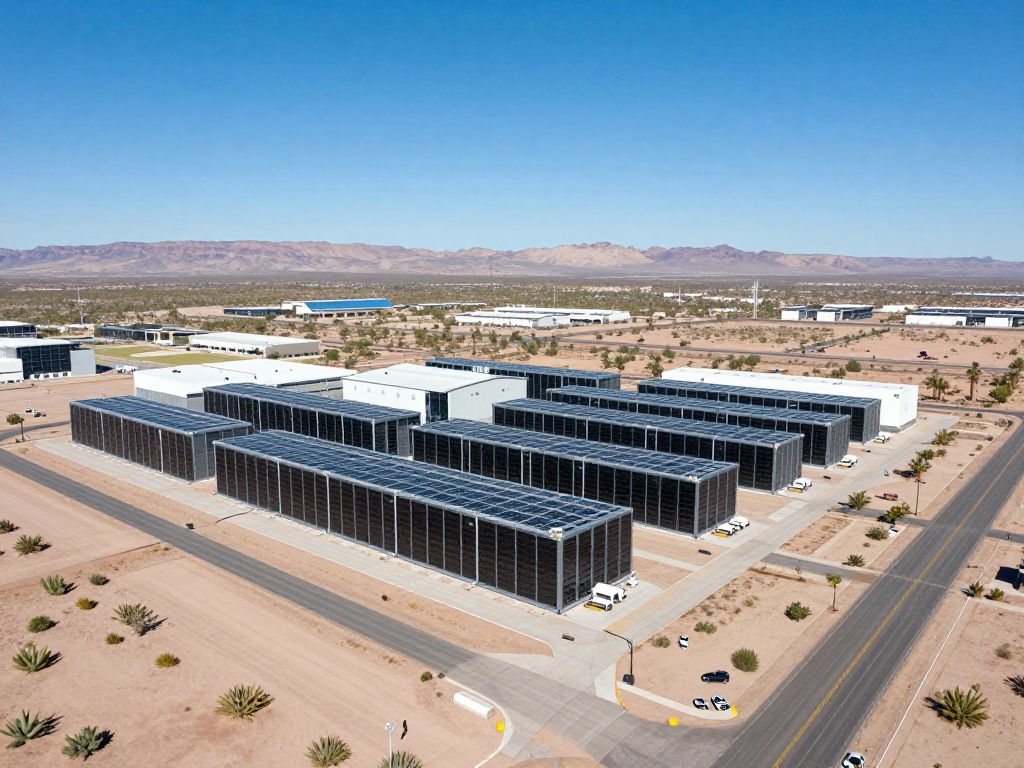
Southern Arizona is poised for a significant expansion in its digital infrastructure with the advancement of two large-scale data center projects: one in Marana and another known as “Project Blue” near Tucson. These projects are currently neck-and-neck to become the first major data centers in the region, signaling a new chapter for Arizona AZ entrepreneurs and the local economy.
The proposed Marana data center project represents a substantial economic commitment, with developers projecting $5 billion in capital investment and an estimated $145 million in town tax revenue. This development is also expected to create approximately 4,200 construction jobs, providing a significant boost to local employment. In Pima County, “Project Blue” involves the development of a $3.6 billion data center campus. The land sale for this project recently closed for more than $27 million, marking a key milestone. During its construction phase, Project Blue is anticipated to generate 3,024 direct construction jobs and 2,049 indirect jobs. Upon completion by 2029, it is projected to create 180 permanent jobs with an average annual salary of $64,000 and is expected to contribute a $63.5 million annual economic impact. The project is also forecast to generate $250 million in total tax revenue. These initiatives demonstrate the capacity for private investment to spur significant economic activity and job creation within Arizona’s communities.
Navigating Resource Challenges: Power and Water
The burgeoning growth of data centers across Arizona, while economically beneficial, has intensified discussions regarding the state’s vital resources: power and water. These facilities require substantial amounts of electricity for their operations and considerable volumes of water for cooling their vast arrays of servers, especially in Arizona’s hot climate.
The demand for electricity from data centers is a significant concern for the state’s utilities, Arizona Public Service (APS) and Salt River Project (SRP). If all proposed data center facilities move forward, the energy needs of APS and SRP could nearly triple, potentially requiring up to 29,000 megawatts of additional power. In the summer of 2024, APS recorded an all-time high peak demand of 8,200 megawatts, with data centers currently accounting for approximately 350 megawatts of APS electricity. Should all prospective data centers establish operations within APS’s service area, the projected electricity demand could reach 19,000 megawatts, highlighting the immense pressure on existing infrastructure. There are ongoing concerns among consumer advocates that the increasing energy demands of these high-load users could lead to higher utility rates for existing residential and business customers, necessitating careful regulatory oversight to ensure fairness in infrastructure cost allocation.
Water consumption by data centers is another critical aspect under scrutiny in Arizona, a state already grappling with water scarcity. Many large-scale data centers utilize evaporative cooling systems, which are highly efficient but consume significant volumes of water. In 2025, the estimated water consumption by data centers in Arizona is approximately 905 million gallons, equivalent to 2,777 acre-feet. While this figure represents less than one-tenth of one percent of the state’s total annual water use, localized impacts can be considerable. Specifically, data centers in the Phoenix region currently use around 385 million gallons of water annually for on-site cooling. Projections indicate that Statewide water usage by data centers could escalate from 4.5 billion gallons in 2030 to 7 billion gallons annually by 2035, underscoring the need for sustainable water management strategies. Project Blue, for instance, is projected to consume up to 2,000 acre-feet annually from Tucson Water’s reclaimed resource capacity. Addressing these resource challenges effectively requires a balance between fostering economic development and ensuring long-term sustainability for Arizona’s communities.
Innovation and Regulatory Frameworks for Sustainable Growth
Arizona’s ability to navigate the complex landscape of rapid economic development and resource demands is bolstered by its commitment to both technological innovation and a responsive regulatory environment. A key advantage for Phoenix AZ business and Statewide economic growth is Arizona’s pro-business mindset, characterized by competitive tax structures, affordable operating costs, and a lean regulatory framework. Indeed, Arizona is ranked as the 43rd most regulated state in the US, suggesting a less burdensome environment for businesses compared to many other states. This regulatory approach aims to reduce red tape and foster an environment where businesses, including data centers, can innovate and grow efficiently.
In response to water and power concerns, the data center industry is increasingly adopting innovative solutions. Newer data centers are designed to be more efficient, with some employing advanced cooling technologies that significantly reduce or even eliminate water usage in their direct operations. Examples include facilities utilizing reclaimed water for cooling or pioneering zero-water cooling systems. Local jurisdictions are also implementing policies to manage water use, such as Chandler’s cap on data center water use at 115 gallons per day per 1,000 square feet, and Marana’s ordinance prohibiting the use of potable water for data centers, requiring them to secure alternative sources. Utility companies like APS are actively working to expand their capacity to meet growing electricity demands, signaling a proactive approach to infrastructure development. State-level initiatives actively promote economic development, innovation, and provide resources for Phoenix small business and entrepreneurs, further strengthening the state’s ability to support advanced industries.
Community Engagement and Local Perspectives
While the economic benefits of data center development are clear, these projects are also sparking important dialogue within local communities, particularly concerning environmental impacts and community involvement. Groups like the “No Desert Data Center Coalition” have emerged, vocalizing concerns about the potential strain on local resources and advocating for more stringent mitigation measures. This highlights the importance of presenting multiple perspectives and fostering transparent engagement throughout the development process.
Local governments play a pivotal role in balancing economic opportunities with community interests. Town councils and county boards are responsible for rezoning decisions and approving development agreements, often with the aim of ensuring community benefits and addressing local concerns. For instance, the Marana data center proposal was brought before the town council with promises of significant capital investment and tax revenue, intended to fund necessary community infrastructure. However, officials also raised concerns about potential impacts such as noise. The ongoing discussions surrounding “Project Blue” have also seen high-level public officials requesting reviews of energy agreements, emphasizing the need for robust planning and compensation for risks to water, energy infrastructure, and the local landscape. These conversations are crucial for ensuring that economic growth is managed responsibly and sustainably, reflecting a commitment to both prosperity and the quality of life for all residents.
Conclusion
The advancement of two significant data center projects in Southern Arizona exemplifies the state’s dynamic economic growth and its strong appeal to the technology sector. These initiatives promise substantial benefits, including significant capital investment, job creation, and increased tax revenues, further solidifying Arizona’s position as a hub for innovation and enterprise. However, this progress is accompanied by crucial discussions about the sustainable management of essential resources like power and water, underscoring the importance of thoughtful planning and technological innovation.
Arizona’s commitment to a pro-business environment, coupled with a proactive approach to addressing infrastructure challenges through smart regulation and innovative solutions, is vital for maintaining this positive trajectory. As these projects move forward, continued engagement among developers, local governments, and community stakeholders will be key to fostering a balanced and prosperous future. We encourage our readers to stay informed and engaged in Phoenix’s economic growth and the broader development of Arizona AZ entrepreneurs, supporting the businesses and policies that drive innovation while championing sustainable practices for our communities.
Frequently Asked Questions
What are the two Southern Arizona data center projects moving forward?
The two Southern Arizona data center projects moving forward are one in Marana and “Project Blue” located near Tucson.
What economic benefits are expected from the Marana data center project?
The Marana data center project is expected to bring $5 billion in capital investment, $145 million in town tax revenue, and create 4,200 construction jobs.
What is the projected economic impact of Project Blue in Pima County?
Project Blue in Pima County involves a $3.6 billion data center campus, is expected to create 3,024 direct construction jobs and 2,049 indirect jobs during construction, and 180 permanent jobs by 2029 with an average salary of $64,000. It is projected to have a $63.5 million annual economic impact upon completion and generate $250 million in total tax revenue.
What are the main resource concerns associated with data center growth in Arizona?
The main resource concerns are the increased demand for electricity and water for operations and cooling.
How much electricity do data centers currently use from APS, and what is the potential demand?
Data centers currently use about 350 megawatts of APS electricity. If all data centers that want to establish in APS’s service area were able to, the electricity demand could reach 19,000 megawatts.
What is the estimated water consumption by data centers in Arizona?
In 2025, data center water consumption in Arizona is estimated at 905 million gallons, or 2,777 acre-feet. This represents less than one-tenth of one percent of the state’s annual water use.
What policies are in place to manage data center water use in Arizona?
Chandler caps data center water use at 115 gallons per day per 1,000 square feet, and Marana prohibits the use of potable water for data centers, requiring them to secure alternative sources.
Is Arizona’s regulatory environment favorable for businesses like data centers?
Yes, Arizona has a pro-business mindset, competitive tax structure, affordable operating costs, and a lean regulatory environment. Arizona is the 43rd most regulated state in the US.
Key Features of Southern Arizona Data Center Projects
| Feature | Marana Data Center Project | Project Blue (Pima County) |
|---|---|---|
| Capital Investment | $5 billion | $3.6 billion data center campus |
| Expected Town/County Tax Revenue | $145 million (town tax revenue) | $250 million (total tax revenue) |
| Construction Jobs Created | 4,200 | 3,024 direct, 2,049 indirect |
| Permanent Jobs Created | Not specified for this project | 180 by 2029 (average salary $64,000) |
| Annual Economic Impact (upon completion) | Not specified for this project | $63.5 million |
| Estimated Power Requirement (full build-out) | 550 to 750 megawatts | Not specified, but Project Blue will become Tucson Electric Power’s largest single customer |
| Estimated Water Consumption | Prohibited from using potable water; must secure alternative sources | Up to 2,000 acre-feet annually of reclaimed resource capacity |
| Status | Rezoning approved | Land sale closed; regulatory re-hearings requested |
Deeper Dive: News & Info About This Topic
HERE Resources
Powering Progress: Oliver Electric Ignites Phoenix’s Economic Future
Arizona’s Commitment to Patient Safety and Quality Care
Arizona Housing Market Showcases Remarkable Growth
Phoenix Rises: Understanding Migration Trends and Local Growth
University of Arizona Sees Surge in Alcohol-Related Emergencies
Arizona’s Cannabis Industry Poised for Growth Following Rescheduling
Phoenix’s 2026 Vision: Real Estate Fuels Growth
Scottsdale Investor Drives Arizona’s Renewable Energy Revolution
Phoenix Records Significant Drop in Homicides and Violent Crime
Phoenix Powers Up: Data Center Giant Expands Arizona Footprint

Author: STAFF HERE PHOENIX WRITER
The PHOENIX STAFF WRITER represents the experienced team at HEREPhoenix.com, your go-to source for actionable local news and information in Phoenix, Maricopa County, and beyond. Specializing in "news you can use," we cover essential topics like product reviews for personal and business needs, local business directories, politics, real estate trends, neighborhood insights, and state news affecting the area—with deep expertise drawn from years of dedicated reporting and strong community input, including local press releases and business updates. We deliver top reporting on high-value events such as the Waste Management Phoenix Open, Cactus League Spring Training, and Arizona State Fair. Our coverage extends to key organizations like the Greater Phoenix Chamber of Commerce and Visit Phoenix, plus leading businesses in technology and healthcare that power the local economy such as Intel and Banner Health. As part of the broader HERE network, including HERETucson.com, we provide comprehensive, credible insights into Arizona's dynamic landscape.