

Phoenix AZ – March 6, 2026 | By STAFF HERE PHOENIX WRITER
WHAT’S HAPPENING
What does Arizona Senate Bill 1725 propose regarding marijuana odors?
SB 1725 proposes classifying “excessive” marijuana smoke or odor as a public nuisance, potentially penalizing those whose emissions impact neighboring properties.
When did the Arizona Senate Committee of the Whole amend SB 1725 and SCR 1048?
The latest versions of SB 1725 and SCR 1048 were amended by the Senate Committee of the Whole on Wednesday, March 5, 2026.
How is “excessive” marijuana odor defined in the Arizona bill?
It is defined as airborne emissions detectable by a reasonable person on other private property for over 30 consecutive minutes or on three or more days within 30 days.
What are the main concerns raised by opposition to the marijuana odor bill in Arizona?
Critics argue the bill contradicts Proposition 207, undermines voter intent, and creates ambiguity in defining and enforcing “excessive” odor.
The Arizona Legislature has advanced Senate Bill 1725, a proposal to regulate marijuana odors by classifying “excessive” smoke or odor as a public nuisance. The bill, which seeks to penalize emissions impacting neighboring properties, is moving towards a Senate floor vote. This legislation could introduce new regulations for legal cannabis consumption in private residences across Arizona.
Arizona Legislature Advances Marijuana Odor Bill
A legislative proposal aimed at regulating marijuana odors, Senate Bill 1725 (SB 1725) and its companion Senate Concurrent Resolution 1048 (SCR 1048), has successfully advanced through the Arizona Legislature, with a floor vote on its third reading now imminent. This development could introduce new regulations for cannabis consumption within the state, potentially affecting individuals legally using marijuana in their private residences.
What Does the Bill Propose for Marijuana Odor?
The legislation, sponsored by Republican Senator J.D. Mesnard, seeks to classify “excessive” marijuana smoke or odor as a public nuisance. The objective is to penalize individuals whose marijuana emissions from their property impact neighboring properties. Under the revised measures, a person’s conduct would be deemed a public nuisance if it is intentional or knowingly and substantially interferes with the comfortable enjoyment of life or property due to excessive marijuana smoke or odor.
Initial proposals indicated that violations could lead to citations for criminal nuisance, a Class 3 misdemeanor. Such a misdemeanor could carry penalties including up to 30 days in jail, a fine of up to $500, and up to one year of probation. However, recent amendments have focused on incorporating this conduct into existing nuisance statutes rather than creating a standalone criminal offense.
How is “Excessive” Odor Defined?
The definition of “excessive marijuana smoke or odor” has been a focal point of discussions. Initially, it was broadly defined as smoke or odor “capable of being detected by a person on the private property of another person.” Following amendments, the current definition describes it as “airborne emissions resulting from the burning, heating or vaporizing of marijuana or marijuana products” that are “detectable by a reasonable person of ordinary sensibilities on other private property.” These emissions must also “occur for more than 30 consecutive minutes on a single occasion or on three or more separate days within a 30-day period.”
The legislation establishes a presumption that excessive marijuana smoke and odor are injurious to health, offensive to the senses, and interfere with the comfortable enjoyment of life or property, thus constituting a public nuisance.
What Are the Next Steps for the Legislation?
The latest versions of SB 1725 and SCR 1048 were amended by the Senate Committee of the Whole on Wednesday, March 5, 2026, and are now awaiting a floor vote on third reading in the full Senate. While SB 1725 would enact a statutory policy change, SCR 1048 is a companion resolution that would allow voters to decide on the issue in November.
What Are the Concerns and Opposition?
The proposed legislation has encountered significant opposition. Critics argue that these measures contradict the intent of Arizona voters who legalized recreational marijuana through Proposition 207 in 2020. Proposition 207 specifically states that the odor of burnt marijuana cannot be used as probable cause for criminal activity.
Concerns have also been raised regarding the ambiguity and enforceability of what constitutes “excessive” odor, potentially leading to subjective interpretations and wrongful accusations. The American Civil Liberties Union (ACLU) of Arizona has expressed that the bills could undermine voter intent and result in discretionary judgment and unequal enforcement.
Background on Marijuana Legalization in Arizona
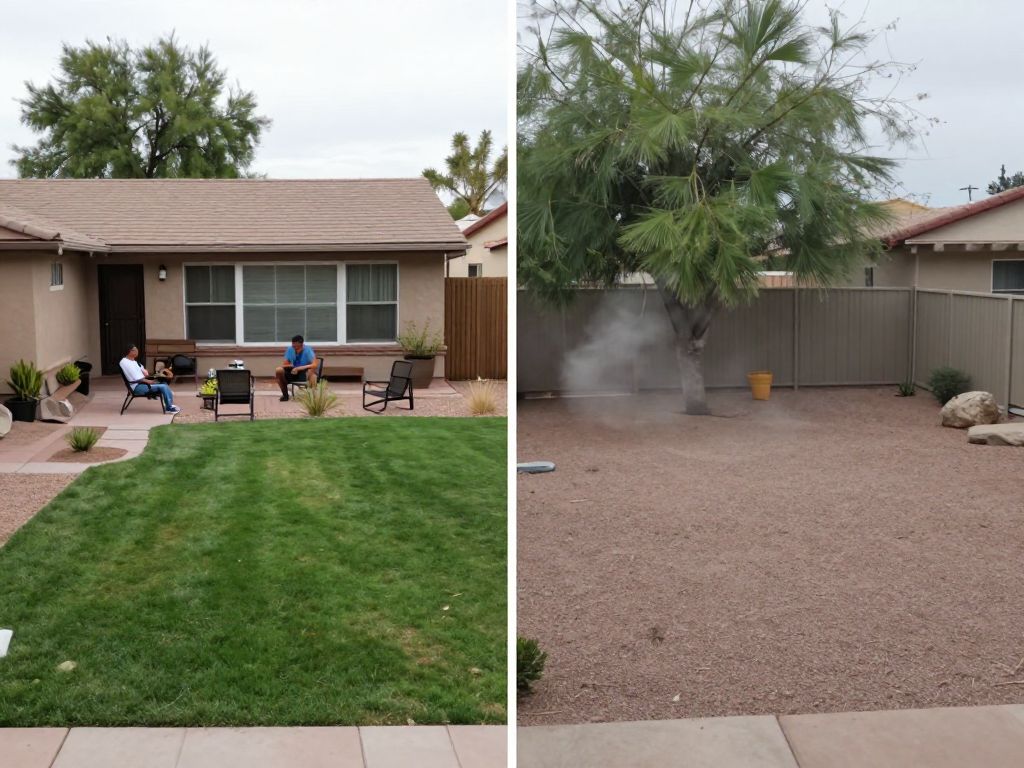
Arizona voters approved recreational marijuana use in 2020, permitting adults to consume cannabis in their private homes and backyards. While public consumption remains prohibited, existing state law does not specifically address issues related to marijuana odor emanating from private property. Senator Mesnard stated his motivation for introducing the bill stemmed from personal experiences with strong marijuana odors affecting his family’s ability to enjoy their outdoor space.
Summary of Arizona Marijuana Odor Bill (SB 1725 / SCR 1048)
| Bill Numbers | SB 1725 and SCR 1048 |
| Sponsor | Senator J.D. Mesnard (R) |
| Primary Objective | To classify “excessive” marijuana smoke or odor as a public nuisance. |
| Definition of “Excessive” | Airborne emissions detectable by a reasonable person on another private property for >30 consecutive minutes on one occasion or >3 days in a 30-day period. |
| Legal Implication | Excessive odor presumed injurious to health, offensive, and an interference with property enjoyment, constituting a public nuisance. |
| Enforcement (Revised) | Complaint to local officials, followed by potential court order to abate, and violation if order is knowingly ignored. |
| Potential Penalties | Class 3 misdemeanor (up to 30 days jail, $500 fine, 1 year probation) for knowingly violating an abatement order. |
| Current Status (as of March 5, 2026) | Advanced by Senate Committee of the Whole, awaiting floor vote on third reading. |
| SCR 1048 Purpose | Companion resolution to send the issue to Arizona voters in November. |
| Key Opposition Argument | Undermines voter intent from Proposition 207, which legalized recreational marijuana and limits odor as probable cause for crime. |
Deeper Dive: News & Info About This Topic
HERE Resources