

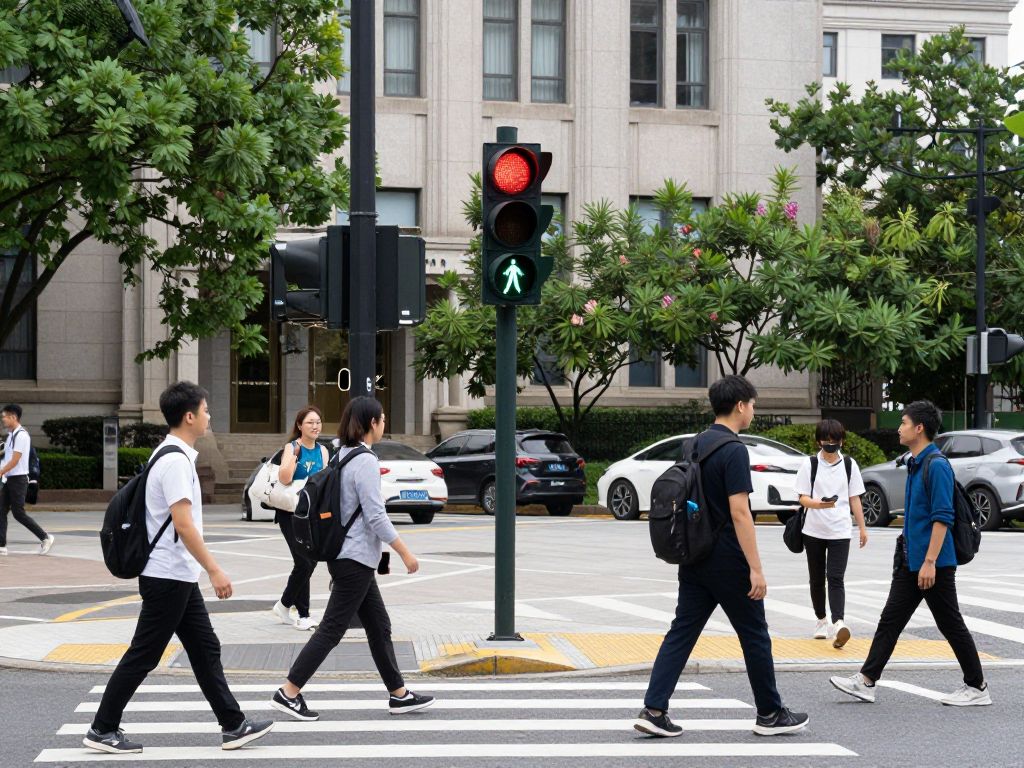
News Summary
The University of Arizona is upgrading infrastructure to improve pedestrian safety with the installation of a HAWK light at a crucial intersection. This initiative comes in response to safety concerns following a tragic accident where three students were struck. The project highlights a commitment to creating a secure environment for students and reflects broader efforts across Arizona universities to prioritize safety through innovative urban planning and community engagement.
Phoenix, AZ — While the immediate focus of this report centers on a crucial development in Tucson, the commitment to student safety and innovative urban planning resonates across all of Arizona’s esteemed higher education institutions. The University of Arizona, a cornerstone of academic and research excellence in the state, is currently undergoing a significant infrastructure upgrade aimed at enhancing pedestrian safety on its campus periphery. This initiative underscores a collective responsibility within Arizona’s educational ecosystem to foster secure and conducive environments for learning and personal growth.
Investing in campus infrastructure is not merely about physical improvements; it reflects a deeper dedication to the well-being of students, faculty, and the wider community. This particular project highlights how thoughtful planning and responsive action can address critical safety concerns, ensuring that students can pursue their academic and extracurricular endeavors with greater peace of mind. Such efforts are vital in reinforcing the integrity and appeal of Arizona’s universities and colleges as centers of discipline, innovation, and leadership development.
Enhancing Pedestrian Safety with HAWK Lights
Construction has commenced on a new High-intensity Activated crossWalK (HAWK) light at the intersection of Euclid Avenue and 2nd Street near the University of Arizona campus in Tucson. This project addresses longstanding safety concerns at a vital pedestrian crossing used by a significant number of university students and community members. The installation of this advanced pedestrian-hybrid beacon is a direct response to a tragic incident where three University of Arizona students were fatally struck while using the intersection, igniting months of advocacy from families, students, and community members demanding stronger pedestrian protections.
The implementation of the HAWK light is designed to significantly improve safety at what has been identified as one of the busiest and most dangerous crosswalks adjacent to the campus. This initiative is about more than just a traffic signal; it represents a tangible step toward rebuilding trust and ensuring accountability in safeguarding pedestrian lives near educational institutions. The HAWK system offers a proven method for managing pedestrian and vehicular traffic flow, prioritizing the safety of those on foot or bicycle.
Understanding HAWK Beacon Technology
A HAWK signal operates differently from traditional traffic lights, offering a specialized approach to pedestrian safety. When no pedestrians are waiting to cross, the beacon remains dark, allowing vehicular traffic to flow unimpeded. This design minimizes traffic delays while maximizing safety when needed.
Once a pedestrian presses the button to cross, the HAWK light sequence is activated. Drivers first see a flashing yellow light, signaling them to prepare to stop. This is followed by a solid yellow light, indicating that motorists should be ready to stop for foot traffic. Subsequently, the beacon displays a solid red light, requiring vehicles to come to a complete stop, allowing pedestrians to cross safely. As the walk phase concludes, the light transitions to a flashing red signal, at which point motorists must stop but may proceed cautiously if the crosswalk is clear of pedestrians.
This systematic operation is crucial for pedestrian safety, especially in high-traffic areas near campuses. The Federal Highway Administration reports that HAWK signals reduce pedestrian crashes by 69%, a testament to their effectiveness. Tucson, where HAWK signals were developed in 2004, already boasts over 100 such installations, demonstrating a city-wide commitment to embracing this proven safety technology. Phoenix, too, has been installing HAWK signals since 2009 and currently has 110 HAWKs located throughout the city, reflecting a broader statewide adoption of this critical infrastructure.
Addressing a Critical Campus Need
The decision to install the HAWK light at Euclid Avenue and 2nd Street stems from a tragic history and intense community advocacy. The intersection’s high traffic volume, combined with the continuous flow of students, faculty, and visitors, has long made it a point of concern. The devastating loss of three University of Arizona students underscored the urgent need for enhanced safety measures. This new installation is a direct, tangible outcome of sustained efforts by student bodies, grieving families, and community members who tirelessly campaigned for improved pedestrian protections.
The project aligns with a broader vision of creating safer college environments, where academic freedom and personal responsibility can flourish without undue risk. By prioritizing the physical safety of individuals, the University of Arizona, in conjunction with city officials, reinforces its commitment to the welfare of its community. This action reflects a responsive governance model that listens to its constituents and acts decisively to implement solutions that protect lives.
Construction Details and Funding
Construction for the HAWK light began recently, with crews operating Monday through Friday from 7 a.m. to 3 p.m. To minimize disruption, traffic control measures are in place only during these work hours, and at least one crosswalk will remain accessible to pedestrians at all times. The city estimates that the construction phase for this vital safety improvement will be completed by May.
This particular HAWK light is the first of six planned installations funded through the Proposition 411 Better Streets | Safe Streets program. This multi-site initiative is specifically designed to enhance pedestrian safety near schools and transit corridors across the region, demonstrating a strategic investment in urban infrastructure that directly benefits educational communities. The program exemplifies how local initiatives can contribute significantly to the overall well-being and security of neighborhoods surrounding academic institutions, reflecting a commitment to disciplined public spending on essential community improvements.
Broader Implications for Arizona Higher Education
The installation of the HAWK light at the University of Arizona campus serves as a significant example for other higher education institutions across the state of Arizona. It highlights the importance of proactively assessing and upgrading campus infrastructure to meet evolving safety standards and address community needs. As universities and colleges continue to grow, the interface between campus life and urban environments becomes increasingly complex. Projects like the HAWK light demonstrate a commitment to innovation in urban planning and traffic management that directly supports student life and academic pursuits.
This investment in pedestrian safety also reinforces the values of personal responsibility and community impact, as it empowers individuals to safely navigate their environment while encouraging drivers to exercise discipline and awareness. The success and effectiveness of HAWK lights, as evidenced by their widespread adoption and documented reduction in pedestrian crashes, provide a compelling model for continued infrastructure development throughout Arizona’s higher education landscape. The shared goal is to ensure that all students, whether in Phoenix, Tucson, or elsewhere in the state, can pursue their educational journeys in environments that prioritize their safety and well-being.
Conclusion
The ongoing construction of the HAWK light at the University of Arizona’s Euclid Avenue and 2nd Street intersection marks a pivotal step toward enhancing pedestrian safety within Arizona’s higher education community. This project, driven by a deep commitment to student welfare and informed by a tragic past, embodies the principles of responsible urban development and community engagement. With construction anticipated to conclude by May, the new beacon will provide a safer crossing for countless students and residents, reinforcing the notion that academic excellence thrives in secure environments.
We encourage all readers to stay informed about infrastructure improvements impacting Phoenix AZ college news and Arizona AZ higher education. Your awareness and engagement are crucial in fostering a culture of safety and support across our vibrant university communities. Explore more about campus safety initiatives and upcoming campus events by visiting university websites and local news sources.
| Feature | Detail |
|---|---|
| Location | Euclid Avenue and 2nd Street, Tucson, AZ (near University of Arizona) |
| Purpose | Improve pedestrian safety at a busy intersection. |
| Technology | HAWK (High-intensity Activated crossWalK) light. |
| Construction Start | February 2026 |
| Estimated Completion | May 2026 |
| Work Schedule | Monday – Friday, 7 a.m. to 3 p.m. |
| Funding Program | Proposition 411 Better Streets | Safe Streets program |
| Reduction in Pedestrian Crashes (National Data) | 69% (Federal Highway Administration data) |
| Motorist Yield Rate (HAWK Signals) | Over 90% |
Frequently Asked Questions
Q: What is a HAWK light?
A: A HAWK (High-intensity Activated crossWalK) light is a pedestrian-hybrid beacon designed to help pedestrians safely cross busy streets. It remains dark until activated by a pedestrian, then follows a sequence of flashing yellow, solid yellow, solid red, and flashing red lights to control traffic.
Q: Where is the new HAWK light being installed?
A: The new HAWK light is being installed at the intersection of Euclid Avenue and 2nd Street near the University of Arizona campus in Tucson, AZ.
Q: Why is this HAWK light being installed?
A: The HAWK light is being installed to address safety concerns at a busy intersection, particularly after three University of Arizona students were struck and killed while using the crossing.
Q: When is the construction expected to be completed?
A: The city estimates that construction for this HAWK light will be completed by May.
Q: How effective are HAWK lights in improving pedestrian safety?
A: The Federal Highway Administration reports that HAWK lights reduce pedestrian crashes by 69%. Studies also show that more than 90 percent of motorists properly yield to pedestrians in crosswalks with HAWK signals.
Q: What program is funding this HAWK light installation?
A: This HAWK light is the first of six planned installations funded through the Proposition 411 Better Streets | Safe Streets program.
Deeper Dive: News & Info About This Topic
HERE Resources
Apache Junction Responds to Officer-Involved Shooting Incident
Phoenix: Tempe’s New Industrial Center Bolsters Metro Economy Amidst Evolving Market Dynamics
Enhancing Pedestrian Safety at the University of Arizona
University of Arizona Receives $5 Million Gift for Science College
Phoenix Police Respond to Serious Incident at Storage Facility
Glendale Streets: A Renewed Focus on Pedestrian Safety
Community Mourns After Tragic Phoenix Hit-and-Run
Tragic Collision in South Phoenix Claims Motorcyclist’s Life
Traffic Incident Highlights Road Safety Challenges in Phoenix
Central Phoenix Hit-and-Run Incident Sparks Community Alarm