

Tucson, Arizona, February 10, 2026
Raytheon is set to significantly expand its production capabilities in Tucson, Arizona, thanks to new multiyear missile contracts. This expansion is expected to generate around $2.6 billion annually, creating thousands of jobs and enhancing the local economy. Arizona’s robust business environment and skilled workforce are key drivers of this growth. The aerospace and defense sector continues to thrive in the region, fostering innovation and supporting a diverse supply chain that contributes to the state’s economic vitality.
Tucson, Arizona
Tucson, Arizona, is set to experience a significant economic surge as Raytheon, a key player in the defense industry, ramps up its production capabilities in the region. This expansion, driven by new multiyear missile deals, underscores Arizona’s prominent role in national defense and highlights the positive impact of private sector investment and entrepreneurial drive on local and statewide economies. This development reflects a thriving business environment where innovation and robust manufacturing infrastructure contribute to sustained growth and job creation, vital elements for any prospering community.
The aerospace and defense sector has long been a cornerstone of Arizona’s economic landscape, demonstrating how strategic industries can foster resilience and create pathways for personal achievement. Raytheon’s continued commitment to expanding its operations in Tucson is a testament to the state’s attractiveness for high-tech manufacturing and its skilled workforce. Such expansions not only boost the immediate local economy but also create a ripple effect, supporting a network of small businesses and fostering a climate of innovation that benefits all Arizonans.
Driving Defense Innovation with New Contracts
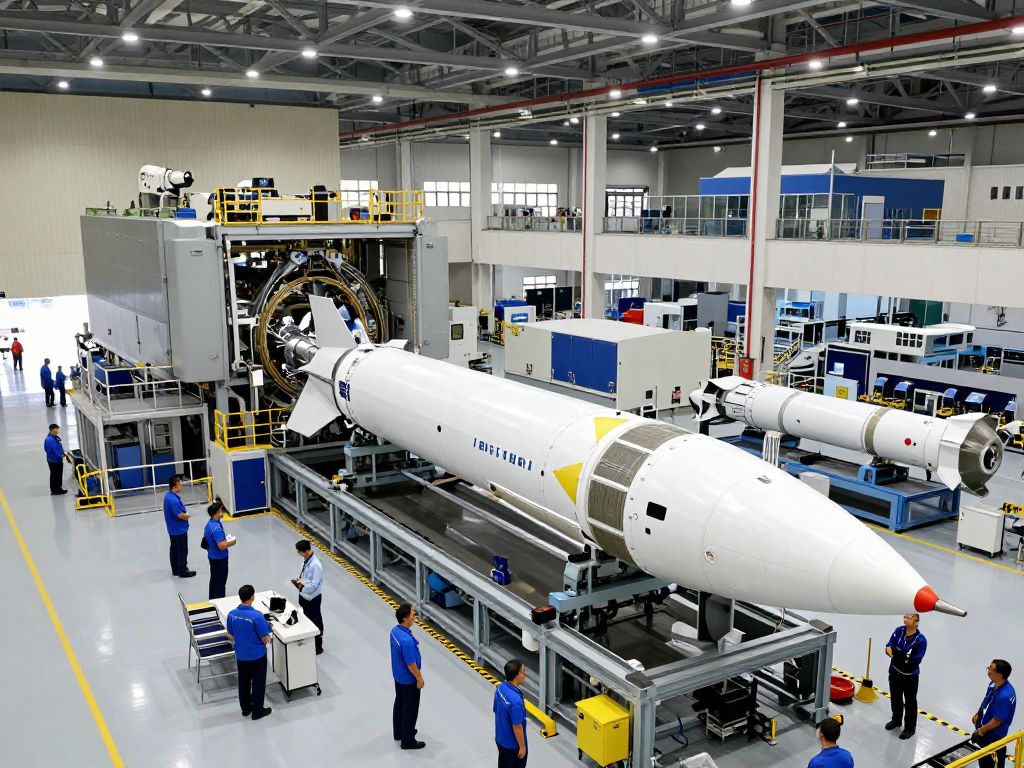
Raytheon Missile Systems in Tucson, Arizona, is poised for increased production following the securing of multiyear missile deals. These agreements are set to significantly increase the output of SM-6 missiles and other crucial munitions. The deals encompass five key munitions, including the widely recognized Tomahawk and AMRAAM missiles [cite: 6 from search result 0, 1 from search result 0]. This strategic move underscores the growing global demand for advanced defense technologies and Raytheon’s pivotal role in meeting those needs. Raytheon recently secured a $1.1 billion contract from the U.S. Navy specifically to produce advanced missiles, with plans to increase annual production to 2,500 missiles. In 2020, the U.S. Navy operated with 54 ships and submarines based in theater Nationwide [cite: 5 from search result 0].
Economic Powerhouse: Raytheon’s Statewide Impact
Raytheon’s presence in Arizona represents a substantial economic force. According to a study by Arizona State University’s Seidman Institute, Raytheon generates an annual economic impact of $2.6 billion in Arizona. The company ranks as one of Arizona’s largest employers, with more than 13,000 employees across the state. This significant growth has been fueled by increasing global demand for Raytheon’s products and services. The company had also announced plans to add 1,000 new jobs to the state economy over several years, further solidifying its role as a major job creator. This expansion translates into thousands of family-supporting jobs and generates substantial revenue Statewide.
Cultivating Innovation and a Dynamic Supply Chain
The aerospace and defense sector in Arizona is a hotbed for innovation, with companies like Raytheon driving advancements in cutting-edge technologies. The state’s technology industry has invested significantly in research and development, particularly in areas such as 3D printing, to create lighter yet stronger components for aircraft and military vehicles. Arizona boasts a diverse supply chain comprising more than 1,250 aerospace and defense companies. This extensive network includes suppliers specializing in electronic systems, smart automation, precision machining, and advanced materials Statewide. The Arizona Aerospace & Defense Supply Chain Directory serves as a resource to connect these A&D companies with Arizona-based suppliers, fostering collaboration and growth among small businesses Statewide. This robust ecosystem exemplifies how private investment in technology and a supportive local supply chain are crucial for industrial expansion.
Arizona’s Business-Friendly Environment and Workforce Development
Arizona has strategically positioned itself as a premier location for the aerospace and defense industry, earning top rankings in various national assessments. The state is recognized as #1 for its concentration of guided missile and space vehicle manufacturing Nationwide and ranks among the top three for aerospace manufacturing attractiveness Statewide. This success is largely attributed to Arizona’s commitment to fostering a pro-growth tax and regulatory environment, which encourages companies like Raytheon to expand and thrive. The state’s emphasis on keeping taxes low and regulation light has made it an attractive destination for advanced manufacturing.
A critical component of this thriving environment is the focus on workforce development. Raytheon actively partners and invests in both K-12 education and higher education institutions, including the University of Arizona and Arizona State University, to ensure a pipeline of skilled workers ready to contribute to the aerospace and defense sector. Furthermore, programs such as the Small Business Innovation Research (SBIR) Training Program are available Statewide, designed to assist business owners in commercializing their technology innovations through competitive grant applications. These initiatives underscore the importance of both educational investment and support for entrepreneurial ventures in sustaining economic vitality.
Broader Economic Trends Supporting Manufacturing Growth
Raytheon’s expansion aligns with broader positive trends in Arizona’s manufacturing sector. Since the Great Recession, manufacturing employment Statewide has seen significant increases, with an average growth rate of 3.0% since October 2015, a figure notably higher than the National average of 0.7% during the same period. As of October 2022, Arizona was ranked among the top five states for aerospace and defense manufacturing employment Statewide. The state’s numerous military installations also contribute billions of dollars annually to Arizona’s economy, further reinforcing the defense industry’s integral role in the state’s prosperity. This overall robust manufacturing landscape provides a solid foundation for continued private sector growth and investment.
Conclusion
The ramp-up in production at Raytheon’s Tucson facility is a clear indicator of Arizona’s strength in the aerospace and defense sector and its broader economic vibrancy. It highlights the power of private investment, entrepreneurial innovation, and a supportive business climate in generating substantial economic impact and creating valuable jobs. By fostering an environment that encourages limited regulation, strategic partnerships, and a focus on a skilled workforce, Arizona continues to attract and grow industries that are crucial for both national security and local prosperity. Engaging with and supporting these vital sectors ensures a resilient and flourishing future for Tucson and the entire state of Arizona.
Frequently Asked Questions
What is driving Raytheon’s production ramp-up in Tucson?
Raytheon’s production ramp-up in Tucson, Arizona, is driven by new multiyear missile deals, including those for SM-6, Tomahawk, and AMRAAM missiles [cite: 1 from search result 0, 6 from search result 0]. Raytheon also recently secured a $1.1 billion contract from the U.S. Navy to produce advanced missiles, with plans to increase annual production to 2,500 missiles per year.
What is Raytheon’s economic impact on Arizona?
Raytheon has a substantial economic impact on Arizona, generating an estimated $2.6 billion annually, according to a study by Arizona State University’s Seidman Institute. The company is also one of Arizona’s largest employers, with over 13,000 employees statewide.
How does Raytheon’s expansion contribute to job growth in Arizona?
Raytheon’s expansion contributes to job growth in Arizona by adding thousands of family-supporting jobs. The company had plans to add 1,000 new jobs to the state economy over several years.
What role does Arizona’s business environment play in attracting defense companies?
Arizona’s business environment plays a significant role in attracting defense companies due to its pro-growth tax and regulatory environment, which includes keeping taxes low and regulation light Statewide. The state is also recognized as #1 for its concentration of guided missile and space vehicle manufacturing Nationwide and ranks among the top three for aerospace manufacturing attractiveness Statewide.
How does Arizona support innovation and its defense supply chain?
Arizona supports innovation in its defense supply chain through significant investments in research and development, including technologies like 3D printing. The state boasts a diverse supply chain of over 1,250 aerospace and defense companies, with resources like the Arizona Aerospace & Defense Supply Chain Directory connecting these companies with Arizona-based suppliers Statewide.
Key Features of Raytheon’s Tucson Expansion and Arizona’s Aerospace & Defense Sector
| Feature | Details | Scope |
|---|---|---|
| Primary Driver for Expansion | Multiyear missile deals for SM-6, Tomahawk, and AMRAAM missiles. Recently secured a $1.1 billion U.S. Navy contract to increase advanced missile production to 2,500 per year. | State-level (Tucson), Nationwide (Navy program) |
| Economic Impact (Raytheon) | $2.6 billion annual economic impact in Arizona. | State-level |
| Employment (Raytheon) | Over 13,000 employees statewide; plans to add 1,000 new jobs in the state. | State-level |
| Aerospace & Defense Sector Ranking | #1 concentration for guided missile and space vehicle manufacturing Nationwide; top 3 for aerospace manufacturing attractiveness Statewide. | Nationwide, State-level |
| Supply Chain Strength | Over 1,250 aerospace and defense companies in Arizona’s diverse supply chain, specializing in electronic systems, smart automation, precision machining, and advanced materials. | State-level |
| Business Environment | Pro-growth tax and regulatory environment with low taxes and light regulation. | State-level |
| Workforce Development | Partnerships with K-12 and higher education (UA, ASU) for skilled workforce; SBIR Training Program for small businesses. | State-level |
| Manufacturing Job Growth | 3.0% average growth rate in manufacturing employment since October 2015 Statewide, exceeding National average of 0.7%. | State-level, Nationwide |
Deeper Dive: News & Info About This Topic
HERE Resources
Arizona’s Economic Powerhouses: Unpacking Top Employers
The 20 Biggest Employers in Arizona
The Economic Landscape of Phoenix: Major Employers in 2025
Largest Employers Driving Arizona’s Economic Growth
Arizona’s Economic Growth: A Bright Future Ahead