

News Summary
A new study from the University of Arizona advocates for an equity-first urban greening strategy to improve climate resilience in Tucson. Led by Associate Professor Adriana Zuniga-Teran, the research highlights the need for equitable distribution of green spaces, ensuring that historically underserved communities can benefit from urban greening initiatives. This approach aims to address environmental inequalities and foster community well-being, providing a roadmap for other Arizona cities as they confront climate challenges.
Phoenix, AZ — In a significant development for Arizona AZ higher education, a new study led by the University of Arizona AZ is championing an equity-first urban greening strategy to enhance climate resilience in Tucson. This insightful research underscores the vital role of academic inquiry in addressing pressing environmental and social challenges, demonstrating a commitment to informed community development and responsible urban planning.
The study, spearheaded by University of Arizona Associate Professor Adriana Zuniga-Teran, argues that for urban greening initiatives to be truly effective and equitable, they must prioritize the needs of all residents, particularly those in historically underserved communities. This approach aligns with a broader vision for robust civic engagement and emphasizes the transformative power of education and research in fostering sustainable practices and strong communities across the state. The findings from this research provide a blueprint for other Arizona cities, including Phoenix, to consider as they navigate the complexities of climate change and urban development.
Cultivating Resilience Through Green Spaces
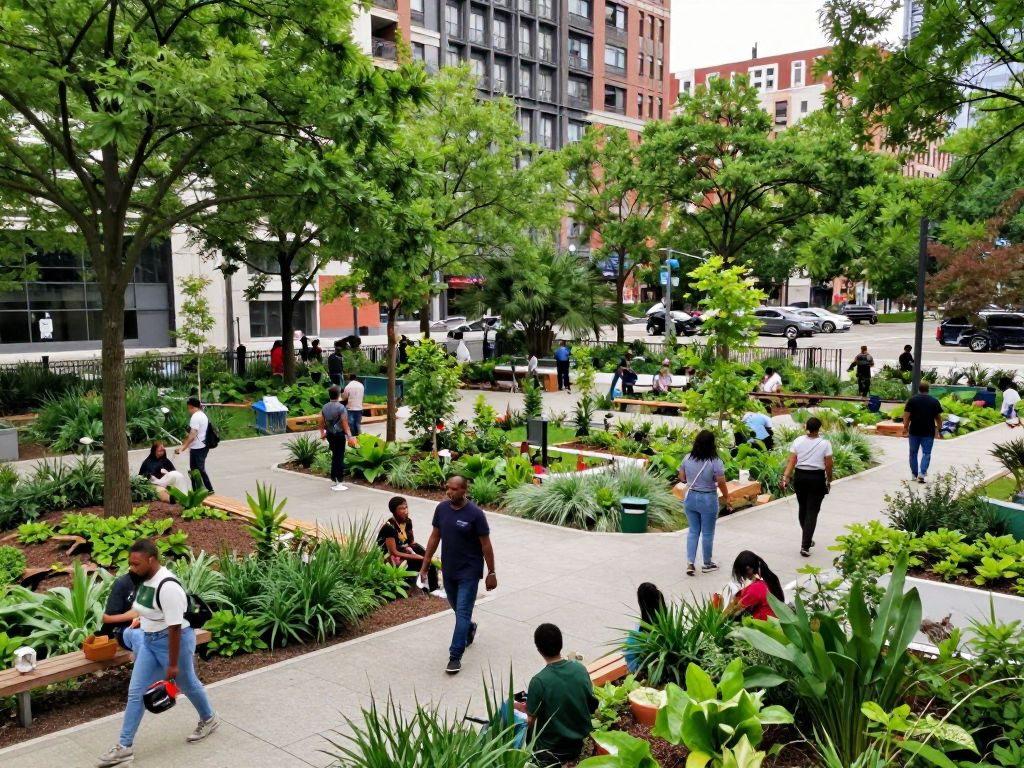
The University of Arizona AZ study highlights that urban greening initiatives, such as planting trees and creating parks, are crucial for mitigating the impacts of climate change, including the urban heat island effect and intense stormwater runoff. However, the research emphasizes that the benefits of these green spaces are not always distributed equally across urban landscapes. Historically, areas with lower socioeconomic status often have less access to quality green infrastructure, exacerbating environmental inequalities and health disparities. This disparity creates a pressing need for policies that ensure greening efforts benefit all citizens.
An Equity-First Approach to Environmental Justice
At the heart of the University of Arizona AZ study is the call for an equity-first methodology in urban greening programs. This means consciously directing resources and planning efforts towards communities that have traditionally lacked sufficient green infrastructure. By ensuring equitable distribution, cities can not only improve environmental conditions but also enhance social cohesion and public health outcomes across diverse neighborhoods. The study asserts that prioritizing equity is not merely a social justice imperative but a foundational element for achieving genuine and widespread climate resilience. This proactive stance reflects the core values of personal responsibility and community impact championed within higher education.
Addressing the Challenges of Climate Gentrification
The research delves into complex challenges such as climate gentrification, where environmental improvements in vulnerable areas can inadvertently lead to increased property values and displacement of long-term residents. The University of Arizona AZ team developed a specialized methodology to assess this vulnerability, providing urban planners with critical tools to anticipate and mitigate such unintended consequences. This forward-thinking aspect of the study exemplifies academic discipline and innovation, ensuring that solutions are comprehensive and truly beneficial for the community without creating new socio-economic pressures. The findings encourage robust community engagement and careful policy design to protect existing residents while enhancing their environment.
Mainstreaming Green Infrastructure for Broader Impact
A key insight from the study is the necessity of fully integrating, or “mainstreaming,” green infrastructure into urban planning and design professions. While the benefits of green infrastructure for urban resilience are recognized, widespread adoption faces challenges. The study examines these hurdles, advocating for policies and practices that make green infrastructure a standard component of urban development rather than an afterthought. This comprehensive integration requires interdisciplinary collaboration, drawing on expertise from environmental science, urban planning, landscape architecture, and public policy, reflecting the collaborative spirit of Arizona AZ higher education.
Tucson’s Path to Sustainable Urban Development
The study specifically focuses on Tucson, providing actionable insights for its urban greening programs. It supports and builds upon the efforts of the City of Tucson, which has taken significant steps to combat climate change, including the passage of its Climate Emergency declaration. The research provides academic backing for continuing and expanding these initiatives with a renewed emphasis on equitable implementation. By highlighting successful strategies and identifying areas for improvement, the study offers a roadmap for Tucson to enhance its climate resilience in a socially just manner, serving as a model for other Arizona municipalities.
Fostering Leadership and Community Well-being
The University of Arizona AZ study exemplifies how academic research can directly inform and elevate community well-being. By providing data-driven recommendations for equity-first urban greening, the university demonstrates leadership in addressing critical societal needs. This type of engaged scholarship not only advances scientific understanding but also empowers local governments and communities to make informed decisions that promote long-term sustainability and equitable growth. Such initiatives are vital for Phoenix AZ college news, showcasing how local universities contribute to the broader welfare of the state.
The University of Arizona AZ study on equity-first urban greening offers valuable insights for cities across Arizona striving to enhance their climate resilience. It underscores the critical importance of integrating social equity into environmental planning, ensuring that the benefits of green infrastructure are accessible to all residents. This research stands as a testament to the power of academic discipline and innovative thinking from institutions within Arizona AZ higher education to shape more sustainable and just urban futures. Readers are encouraged to explore more about how university research is shaping public policy and community development across the state, and to engage with initiatives that promote responsible growth and environmental stewardship.
Key Aspects of the U of A Urban Greening Study
| Aspect | Description |
|---|---|
| Lead Researcher | University of Arizona Associate Professor Adriana Zuniga-Teran |
| Primary Focus | Equity-first urban greening to boost climate resilience |
| Geographic Scope | Tucson, Arizona |
| Key Challenge Addressed | Unequal distribution of green infrastructure, climate gentrification |
| Methodology Highlight | Developed a method to assess vulnerability to climate gentrification |
| Broader Implication | Mainstreaming green infrastructure in urban planning |
Frequently Asked Questions About the U of A Urban Greening Study
What is the main argument of the University of Arizona AZ study on urban greening?
The main argument is that Tucson’s urban greening programs should adopt an equity-first approach to boost climate resilience, ensuring benefits are distributed equitably across all communities.
Who led this research at the University of Arizona AZ?
The study was led by University of Arizona Associate Professor Adriana Zuniga-Teran.
What specific challenges does the study address regarding urban greening?
The study addresses the unequal distribution of green infrastructure and the potential for climate gentrification, where environmental improvements could lead to the displacement of residents.
Why is an “equity-first” approach important for urban greening?
An “equity-first” approach is important to ensure that the benefits of green spaces, such as mitigating the urban heat island effect and improving public health, are accessible to all residents, particularly those in historically underserved communities.
What is “climate gentrification” as mentioned in the study?
“Climate gentrification” refers to the process where environmental improvements in vulnerable areas can inadvertently lead to increased property values and the displacement of long-term residents.
Deeper Dive: News & Info About This Topic
HERE Resources