
Arizona, January 30, 2026
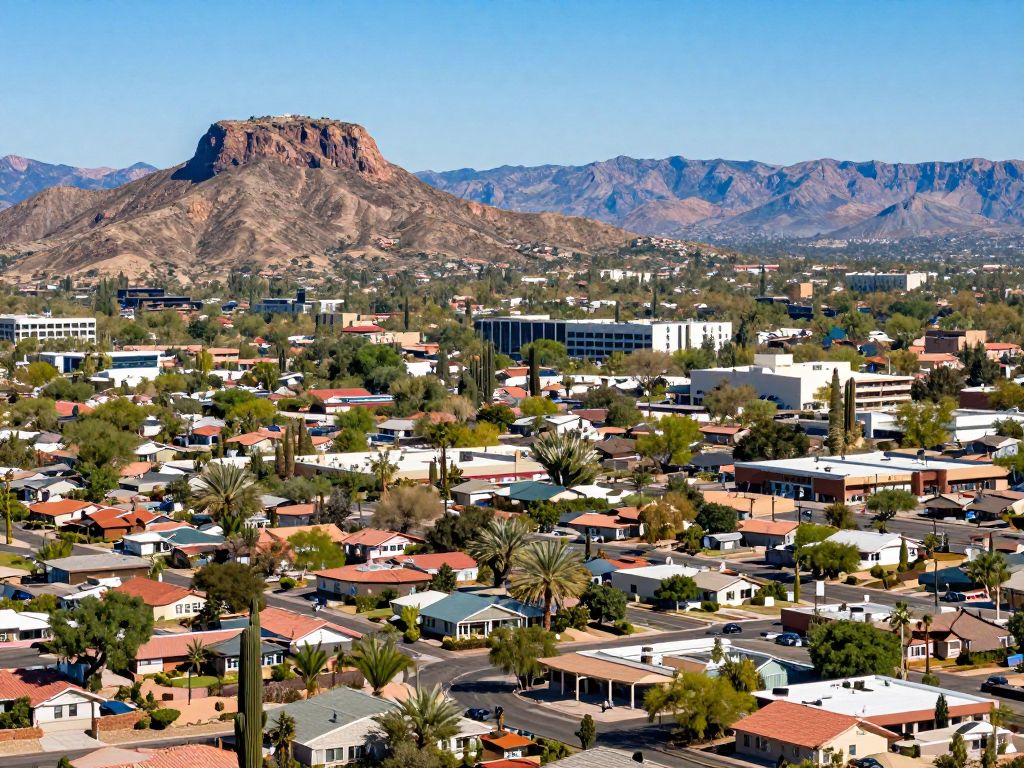
Arizona’s real estate market continues to show strong growth, with several cities experiencing significant increases in home prices. The Greater Phoenix area stands out as a vibrant hub that attracts new residents and investments. Recent data highlights Sedona, Catalina Foothills, and Chandler as top performers in home price appreciation. As the population influx and economic expansion drive demand, Arizona offers a compelling environment for homeowners and investors alike. Overall, the median home price across the state has shown a healthy increase, reflecting a resilient market amid broader economic challenges.
Phoenix
Arizona Home Prices Accelerate: Top Cities Leading the Growth
Arizona’s real estate market continues to demonstrate robust growth, with several cities across the state experiencing significant increases in home prices. This dynamic trend reflects the state’s vibrant economy, strong entrepreneurial spirit, and attractive quality of life, drawing new residents and investments.
The Grand Canyon State, particularly the Greater Phoenix area, has become a hub for both businesses and individuals seeking opportunity and a high quality of life. This sustained interest drives demand across various property types, from single-family homes to urban multifamily units. The growth highlights a resilient market, influenced by innovative local businesses and a strategic focus on economic expansion. These factors combine to create a compelling environment for homeowners and potential investors alike, underscoring the strength of Arizona’s economic landscape. Phoenix continues to be a leading market for real estate investments.
Arizona’s Top Performers in Home Price Appreciation
Recent data from October 2025 reveals the Arizona cities experiencing the most significant year-over-year growth in home prices. This appreciation signals healthy local economies and a desirable living environment, attracting individuals and families to these communities. The median home price across Arizona was $447,000 in October 2025. Home prices statewide were up 0.5% compared to the previous year.
The top cities leading this growth in Arizona, based on percentage increase in home prices, are:
- Sedona, AZ: 26.0%
- Catalina Foothills, AZ: 12.4%
- Chandler, AZ: 5.0%
- Florence, AZ: 5.0%
- Anthem, AZ: 4.8%
- Fort Mohave, AZ: 4.5%
- Green Valley, AZ: 4.5%
- Yuma, AZ: 4.2%
- Sun Lakes, AZ: 3.6%
- Casas Adobes, AZ: 2.3%
These figures demonstrate a diverse range of communities, from scenic destinations like Sedona to growing suburban areas such as Chandler and Florence, all contributing to the state’s dynamic real estate narrative. Even with the overall state increase, more than half of U.S. households saw home values decline since the previous year, highlighting Arizona’s relative strength in the market.
Economic Momentum and Population Influx
Arizona’s robust economic expansion and a significant population influx are primary catalysts behind the rising home prices. The state has actively diversified its economy, moving beyond traditional sectors to embrace technology, manufacturing, and healthcare. This diversification has strengthened economic resilience and increased demand for various properties. Phoenix, for example, is attracting new residents due to its job opportunities and lifestyle. The Phoenix-Mesa-Scottsdale metropolitan area has experienced an average annual population growth of 1.2% over the past five years, with projections indicating an acceleration to 1.5% or higher in the coming years. This surge in population fuels demand for housing and commercial establishments as new residents seek employment, housing, and amenities.
A business-friendly environment also plays a crucial role in attracting investment. Arizona’s tax and regulatory climate is designed to encourage investment, featuring no corporate franchise tax, no tax on business inventory, and a relatively low flat corporate income tax, which was recently reduced to 4.9%. Personal income tax rates have also been cut, making the state appealing for business owners and high-net-worth individuals. The state generally maintains a light regulatory touch, with fewer labor and environmental regulations compared to other states, and a faster, more predictable permitting process for new developments.
Supporting Small Business and Entrepreneurial Innovation
The state’s commitment to fostering a favorable environment for small businesses and entrepreneurial innovation is a key driver of economic growth and, consequently, real estate appreciation. Small businesses are recognized as the backbone of Arizona’s economy, and legislative efforts are underway to support their growth. For instance, legislation is advancing to expand access to Mutual Employer Welfare Arrangements (MEWAs), allowing more small employers to pool together for health benefits, thereby providing greater flexibility and purchasing power without adding new regulatory requirements. This initiative aims to level the playing field for small businesses facing higher healthcare costs and fewer coverage options compared to larger corporations.
Additionally, the Arizona Legislature established the Arizona Microbusiness Loan Program in 2024 to foster economic development and job creation. This program provides up to $50,000 in loan funding to microbusinesses—those with five or fewer employees—through a network of experienced small business lending partner organizations. The program, which extends through 2029, ensures a cycle of funding where repaid loans are reinvested to support other businesses. Furthermore, the property tax exemption threshold for business personal property has been increased to $500,000 starting January 1, 2026, with annual adjustments for inflation, further reducing administrative burdens and supporting a business-friendly environment.
Navigating the Evolving Real Estate Landscape
While Arizona’s housing market shows strong growth, it is also evolving. In March 2025, the Phoenix market saw a 46.67% increase in active listings year-over-year, reaching 24,709. This rise in inventory suggests that sellers are re-engaging with the market. Despite this, the median sales price in Phoenix held steady at $455,000 in March 2025, a modest 2.25% increase year-over-year. Homes are also spending more time on the market, with the median days on market increasing to 52 days, up from the previous year. This indicates a shift towards a more balanced market, offering buyers more choices and potentially more negotiation opportunities.
However, the sustained population boom continues to exert pressure on inventory levels, creating ongoing challenges for balancing supply and demand. Developers focusing on integrating green spaces, pedestrian-friendly designs, and mixed-use zoning are creating resilient and desirable communities, a human-centered approach that will define the next chapter of the state’s growth.
Conclusion
Arizona’s real estate market, particularly in cities experiencing rapid home price appreciation, reflects the state’s robust economic health and a proactive approach to fostering business growth and community development. The combination of entrepreneurial innovation, supportive regulatory frameworks, and continued population growth paints a promising picture for the future. As Phoenix and its surrounding communities continue to attract talent and investment, residents are encouraged to stay informed about local economic trends and support the small businesses that form the foundation of our thriving economy. Engaging with local businesses and community initiatives ensures that Arizona’s growth remains strong and inclusive for all.
Frequently Asked Questions
What is the median home price in Arizona as of October 2025?
The median home price across Arizona was $447,000 in October 2025.
What was the year-over-year increase in Arizona home prices in October 2025?
Home prices statewide were up 0.5% compared to the previous year in October 2025.
What are some factors driving Arizona’s economic growth?
Factors driving Arizona’s economic growth include robust economic expansion, significant population influx, strategic infrastructure investments, and a business-friendly environment.
What are the top 5 Arizona cities with the fastest-growing home prices as of October 2025?
The top 5 Arizona cities with the fastest-growing home prices as of October 2025 are Sedona (26.0%), Catalina Foothills (12.4%), Chandler (5.0%), Florence (5.0%), and Anthem (4.8%).
How is Arizona supporting small businesses?
Arizona is supporting small businesses through initiatives like expanding access to Mutual Employer Welfare Arrangements (MEWAs) for health benefits and the Arizona Microbusiness Loan Program, which provides up to $50,000 in loan funding to microbusinesses.
Has the property tax exemption for business personal property in Arizona changed recently?
Yes, the property tax exemption threshold for business personal property in Arizona has been increased to $500,000 beginning January 1, 2026, with annual adjustments for inflation.
What is the trend for active listings in the Phoenix housing market?
In March 2025, the Phoenix market saw 24,709 active listings, a 46.67% increase from the same time last year.
How long are homes typically staying on the market in Phoenix as of March 2025?
In March 2025, the median days on market in Phoenix increased to 52 days.
Key Features of Arizona’s Growing Real Estate Market (October 2025)
| Feature | Detail | Scope |
|---|---|---|
| Overall Home Price Increase | 0.5% year-over-year | State-level |
| Median Home Price | $447,000 | State-level |
| Number of Homes Sold (October 2025) | 7,978 | State-level |
| Year-over-year change in homes sold | Up 1.7% | State-level |
| Top Performing City (Sedona) Home Price Growth | 26.0% | City-level |
| Phoenix Metro Annual Population Growth (Past 5 Years) | 1.2% average | Regional (Phoenix-Mesa-Scottsdale metro area) |
| Arizona Corporate Income Tax Rate | 4.9% (recently reduced) | State-level |
| Business Personal Property Tax Exemption (from Jan 1, 2026) | $500,000 (with annual inflation adjustments) | State-level |
| Phoenix Active Listings (March 2025) | 24,709 (46.67% increase YoY) | City-level (Phoenix) |
| Phoenix Median Days on Market (March 2025) | 52 days | City-level (Phoenix) |
Deeper Dive: News & Info About This Topic
HERE Resources
Phoenix Welcomes Semiconductor Expansion in Ahwatukee
Phoenix’s East Valley Soars with New Advanced Manufacturing Hub
WM Phoenix Open Enhances Fan Experience with Family Center
Credit Unions Boost Residential Real Estate in Phoenix Area
Chandler Fashion Center to Transform into Dining Destination
Old Town Scottsdale’s Grandest Condo Relists at $6.5 Million
Arizona’s Housing Market: A Tale of Growth and Opportunity
Investor Influence on First-Time Homebuyers in Chandler
Local Lending Boosts Phoenix’s Economic Horizon
West Valley’s Growth Engine: Harvard Investments’ Rio 1900 Approved

Author: STAFF HERE PHOENIX WRITER
The PHOENIX STAFF WRITER represents the experienced team at HEREPhoenix.com, your go-to source for actionable local news and information in Phoenix, Maricopa County, and beyond. Specializing in "news you can use," we cover essential topics like product reviews for personal and business needs, local business directories, politics, real estate trends, neighborhood insights, and state news affecting the area—with deep expertise drawn from years of dedicated reporting and strong community input, including local press releases and business updates. We deliver top reporting on high-value events such as the Waste Management Phoenix Open, Cactus League Spring Training, and Arizona State Fair. Our coverage extends to key organizations like the Greater Phoenix Chamber of Commerce and Visit Phoenix, plus leading businesses in technology and healthcare that power the local economy such as Intel and Banner Health. As part of the broader HERE network, including HERETucson.com, we provide comprehensive, credible insights into Arizona's dynamic landscape.