
What Are the Essential Features for Eco-Friendly Homes in Phoenix?
Energy Efficiency
Maximizing energy efficiency is fundamental for homes in Phoenix’s extreme heat. High-performance insulation minimizes thermal transfer, reducing cooling demands. Incorporating energy-efficient appliances, such as ENERGY STAR-rated models, further diminishes electricity consumption. Smart thermostats play a pivotal role by learning household patterns and adjusting temperatures accordingly, resulting in optimized energy use and enhanced comfort.
By implementing these measures, homeowners can significantly cut their utility bills while minimizing their carbon footprint, which is especially critical given Arizona’s high energy demands during summer months.
Solar Energy Integration
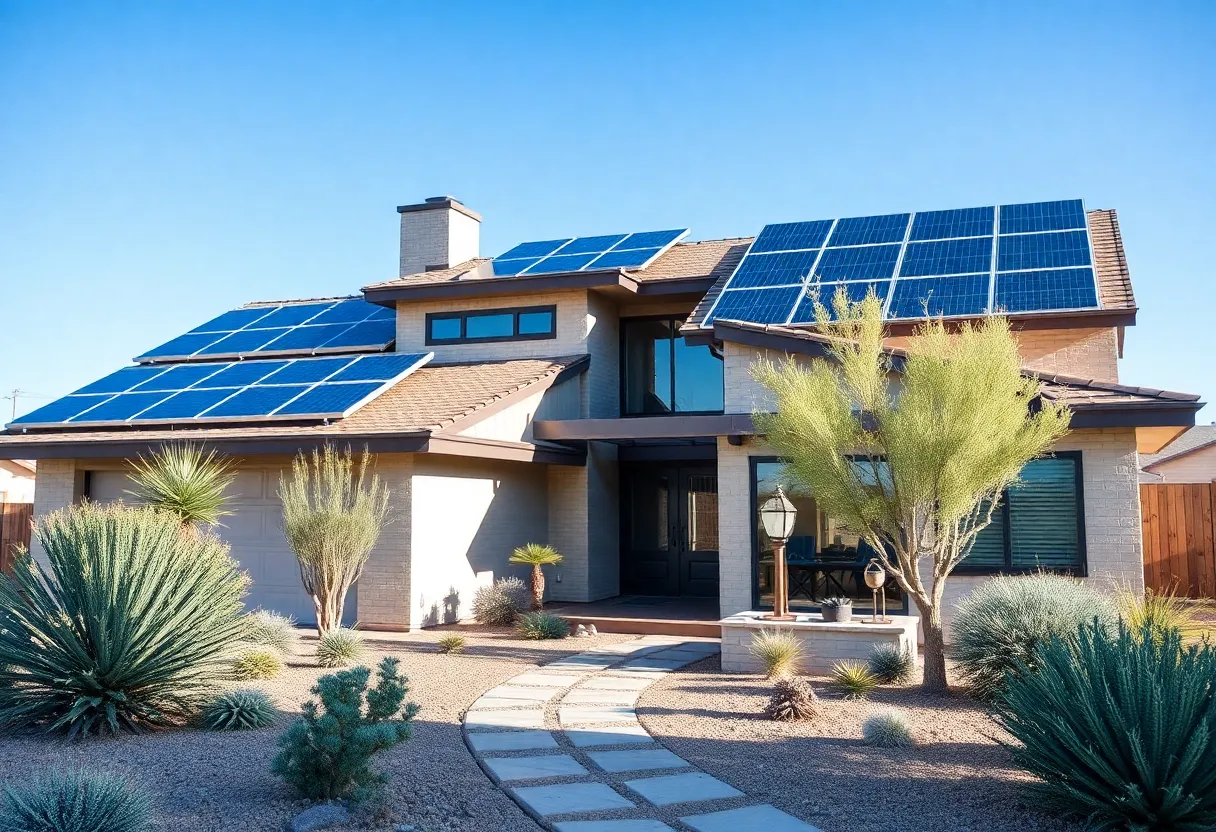
Phoenix’s abundant sunlight makes solar panel systems virtually indispensable for eco-friendly homes. These systems can directly offset a home’s energy needs, significantly lowering electricity bills over time. Advances in photovoltaic technology and decreasing installation costs have made solar power more accessible.
Beyond economic benefits, solar energy reduces reliance on fossil fuels, contributing to healthier air quality. Proper system sizing and strategic placement are crucial for maximizing efficiency and return on investment in the desert climate.
Water Conservation
Mitigating water use is essential in an arid environment like Phoenix. Low-flow fixtures in toilets, showers, and faucets can cut water consumption by up to 50%. Rainwater harvesting systems gather and store rainwater for landscape irrigation, reducing dependence on municipal supplies.
Using drought-resistant native plants in landscaping, like xeriscaping, further conserves water and minimizes maintenance needs. Smart irrigation controllers that adjust watering schedules based on weather data optimize water use and support sustainable practices.
Smart Home Technology
Integrating smart home systems elevates energy efficiency and operational convenience. Centralized control panels enable homeowners to remotely monitor and adjust lighting, climate, and security. Automated lighting systems utilizing occupancy sensors prevent unnecessary energy use.
These technologies facilitate data-driven decisions, ensuring maximum efficiency and contributing to reducing greenhouse gas emissions in urban settings.
Sustainable Building Materials
Building with environmentally conscious materials decreases ecological impact. Reclaimed wood, recycled steel, and low-VOC (volatile organic compound) paints are common choices. These materials promote indoor air quality and reduce waste in manufacturing and disposal. Using sustainable options also aligns with green building certifications, which can boost property value.
Indoor Air Quality
Healthy indoor environments rely on proper ventilation and non-toxic materials. Mechanical ventilation systems, such as HRVs and ERVs, ensure continuous air exchange, reducing indoor pollutants. Choosing low-emission paints and finishes minimizes chemical off-gassing.
Air purification systems equipped with HEPA filters further improve indoor air quality by capturing allergens and airborne contaminants, promoting healthier living conditions in desert climates where dust and pollutants are common.
Landscaping
Strategic landscaping enhances sustainability and reduces cooling costs. Xeriscaping uses native, drought-resistant plants that thrive with minimal water. Incorporating shade-providing trees, such as mesquite and palo verde, can lower cooling costs significantly by shading home exteriors.
Creating microclimates around the property emphasizes energy efficiency and supports local biodiversity, leading to a more resilient landscape.
Energy-Efficient Windows
Windows significantly influence home temperature regulation. Double and triple-pane windows with Low-E coatings reduce heat gain in summer and retain warmth in winter. Proper sealing prevents air leaks, further ensuring indoor comfort and reducing HVAC loads.
This investment enhances energy conservation, especially critical in Phoenix’s high temperatures and occasional cold spells.
Smart Irrigation Systems
Optimized watering schedules are achieved through smart irrigation systems that respond to weather and soil moisture. By using real-time data, these systems prevent overwatering, conserve water, and promote healthier landscapes. Integrating rain sensors and weather-adjusted timers ensures water is only used when necessary.
Electric Vehicle Charging Stations
Supporting sustainable transportation involves installing dedicated EV charging units at home. Level 2 chargers provide faster charging times, making electric vehicle ownership more practical. Proper electrical infrastructure is essential to accommodate these systems efficiently and safely.
This feature aligns with a broader shift towards low-emission vehicles that reduce urban air pollution and greenhouse gases.
Rainwater Harvesting
Rainwater harvesting offers an effective means of supplementing water needs for outdoor use. Collected rainwater can be stored in cisterns and used for irrigation, reducing municipal water consumption. Proper filtration and storage are key to preventing mosquito breeding and water stagnation.
Energy-Efficient Appliances
Upgrading to appliances with the highest efficiency ratings lowers overall energy demand. Parameters like water usage, cycle times, and consumption hierarchically contribute to sustainability. The ENERGY STAR label indicates appliances meet strict efficiency criteria.
Insulation Upgrades
Advanced insulation materials improve a home’s thermal performance. Spray foam or cellulose insulations in attics, walls, and floors prevent heat transfer, reducing cooling loads during intensely hot months. Proper installation is critical to achieving optimal benefits.
Cool Roofing
Cool roofing materials reflect solar radiation, minimizing heat absorption. Light-colored or reflective coatings can substantially reduce rooftop temperatures, decreasing heat transfer into living spaces and mitigating urban heat island effects.
This results in lower air conditioning needs and improved indoor comfort during peak summer months.
Smart Home Integration
Centralized smart systems enhance efficiency and automation. Home automation platforms allow seamless management of climate controls, lighting, security, and appliances from smartphones or voice devices. Such integration maximizes usage efficiency and minimizes waste.
Low-Flow Plumbing Fixtures
Installing fixtures that limit water flow without compromising performance contributes to water conservation. Low-flow toilets, aerated faucets, and showerheads reduce water use while maintaining satisfactory pressures, essential in Phoenix’s drought-prone environment.
Green Roofing
Vegetated roofs provide insulation and help manage stormwater runoff. Green roofs absorb heat, improve air quality, and support urban biodiversity. The added insulation can also lower heating and cooling costs.
Energy-Efficient Lighting
LED lighting significantly cuts electricity use and extends bulb lifespan. The lower heat emission from LEDs contributes to reduced cooling loads within the home. Their versatility supports various aesthetic and functional preferences.
Geothermal Heating and Cooling
This renewable system leverages underground temperature stability for climate control. Geothermal heat pumps provide efficient heating in winter and cooling in summer, dramatically reducing fossil fuel dependence. Installation involves extensive ground loop systems that require proper engineering.
Smart Thermostats
Smart thermostats adapt to household routines for optimal comfort and efficiency. Features include remote control, scheduling, and learning algorithms to reduce unnecessary heating and cooling, especially vital in a climate with extreme temperature fluctuations.
Electric Car Charging Stations
Supporting eco-conscious transportation options at home simplifies transition to electric vehicles. Ensuring proper electrical capacity and safety measures enhances the convenience and viability of EV ownership, aligning with sustainability goals.
Low-VOC Paints and Finishes
Low-VOC products improve indoor air quality and reduce health risks. They emit fewer volatile organic compounds during and after application, offering a healthier environment particularly in enclosed or poorly ventilated spaces.
High-Performance Insulation
State-of-the-art insulation materials enhance thermal resistance. Spray foam provides superior sealing and insulation, reducing energy needed for heating and cooling, crucial for maintaining indoor comfort amid desert temperature swings.
Summary of Key Features
| Feature | Primary Benefit | Application Focus |
|---|---|---|
| Energy Efficiency | Reduces utility bills and environmental impact | Insulation, appliances, thermostats |
| Solar Energy | Offsets energy consumption, sustainable | Photovoltaic systems |
| Water Conservation | Conserves scarce water resources | Low-flow fixtures, rainwater harvesting |
| Smart Systems | Enhances operational efficiency | Home automation, smart irrigation |
| Building Materials | Reduces ecological footprint | Reclaimed, recycled, low-VOC |
| Indoor Air Quality | Improves health & safety | Ventilation, air purification |
FAQs
Why is energy efficiency crucial in Phoenix homes?
Given Phoenix’s high temperatures, energy-efficient homes minimize cooling energy needs, reduce utility costs, and lessen environmental impacts associated with electricity production.
How does solar energy benefit Phoenix residents?
Phoenix’s abundant sunshine allows solar systems to generate substantial power, reducing electricity bills and dependency on nonrenewable resources, while supporting sustainability.
What sustainable landscaping options are suitable for Phoenix?
Native, drought-resistant plants like succulents and xeriscaping techniques conserve water and require minimal maintenance, promoting resilience in Arizona’s arid climate.
What role do smart home systems play in eco-friendly homes?
Smart systems automate energy management, lighting, and security, ensuring efficient operation, reducing waste, and enhancing homeowner convenience.
Are green roofs practical in Phoenix?
Yes, vegetated roofs provide insulation, reduce heat absorption, and support biodiversity. Proper design and maintenance are essential, considering Phoenix’s climate.
Key Features of Eco-Friendly Homes in Phoenix
| Feature | Core Benefit | Implementation Focus |
|---|---|---|
| Energy Efficiency | Lower utility bills, reduced emissions | Insulation, efficient appliances, smart thermostats |
| Solar Power | Renewable energy source, cost savings | Photovoltaic panels, system optimization |
| Water Conservation | Resource preservation, drought resilience | Low-flow fixtures, rainwater harvesting, xeriscaping |
| Smart Technologies | Operational efficiency, convenience | Home automation, smart irrigation, security systems |
| Sustainable Materials | Indoor air quality, waste reduction | Reclaimed, recycled, non-toxic products |
| Indoor Environment Quality | Healthier living space | Ventilation, air purification, low-VOC finishes |
| Landscape Design | Water savings, habitat support | Xeriscaping, shade trees |
| Windows and Roofing | Temperature regulation, energy conservation | Low-E windows, cool and green roofs |
| Electrification | Sustainable transportation | Electric vehicle chargers, green energy integration |