
Phoenix, January 26, 2026
The Greater Phoenix area’s economic expansion is leading to an increased demand for data centers that support the tech sector. However, proposed projects are facing local scrutiny, particularly a 160-acre development near Surprise. Communities are voicing concerns about the impact of these facilities, highlighting the need for a balance between economic growth and quality of life. With data centers serving as vital infrastructure for the digital economy, discussions around their integration into neighborhoods are becoming more critical in fostering sustainable development.
Phoenix Data Centers: Growth Meets Community Scrutiny
As the Greater Phoenix area continues its remarkable trajectory of economic expansion, a vibrant spirit of entrepreneurial innovation defines our local business landscape. This growth, fueled by the determination of Arizona AZ entrepreneurs, necessitates robust infrastructure to support an increasingly digital economy. However, as new development projects emerge, particularly those vital to the tech sector like data centers, they also spark important conversations within our communities about balancing progress with preservation.
The pursuit of economic growth often involves significant private investment and the expansion of essential services. Phoenix has long been a hub for businesses seeking an environment ripe for opportunity. While the benefits of new investments are clear, ensuring these developments integrate seamlessly with existing neighborhoods and respect local concerns is crucial for sustainable prosperity for all Phoenix AZ business ventures.
The Digital Backbone of Modern Phoenix AZ Business
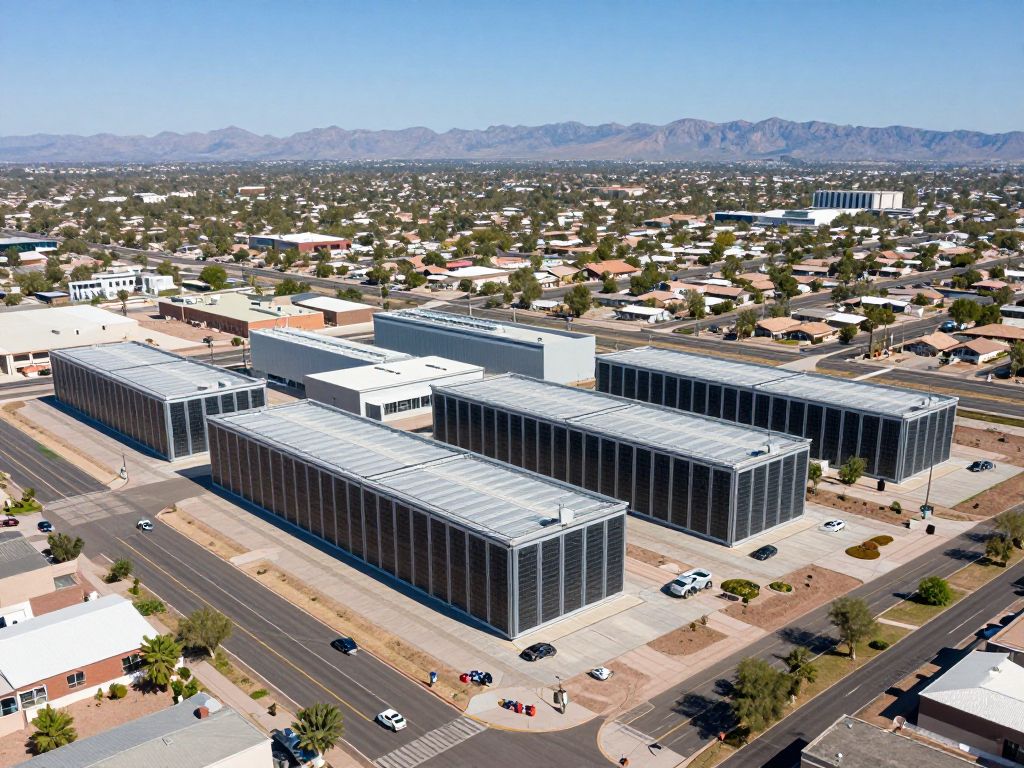
The demand for advanced digital infrastructure is soaring, largely driven by the rapid proliferation of artificial intelligence technologies. Data centers serve as the critical backbone for this digital transformation, processing and storing vast amounts of information that power everything from cloud computing to complex AI algorithms. It is no surprise that more data centers are currently in the works across the Valley to meet this escalating need. These facilities are instrumental in attracting further private investment and nurturing an ecosystem where technological innovation can flourish.
For the thriving Phoenix AZ business community, these data centers represent more than just buildings; they are foundational elements supporting a high-tech future. They enable the agility and connectivity that small businesses and large enterprises alike require to compete in a global market, fostering an environment where innovation can truly take root.
Surprising Opposition Emerges Near Surprise
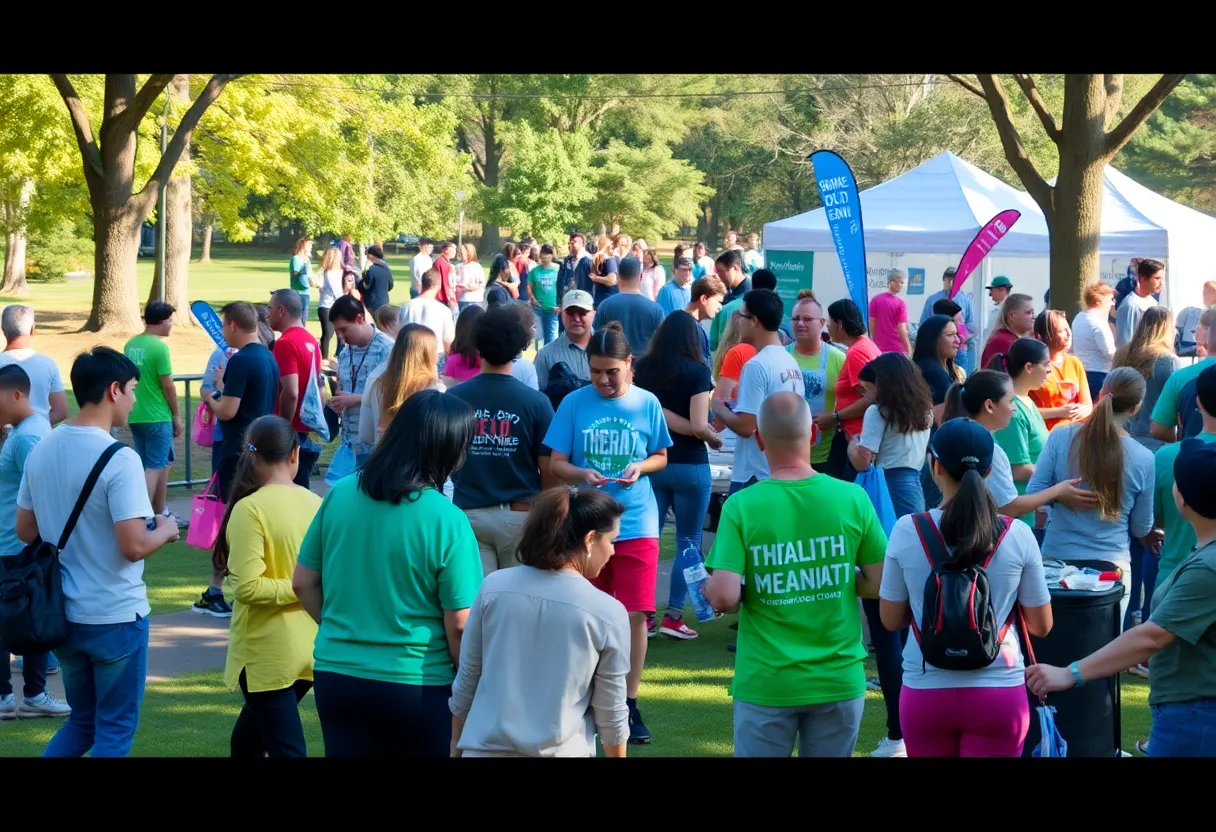
Despite the broader economic benefits, individual data center projects are increasingly facing scrutiny at the local level. Specifically, opposition is now targeting a substantial 160-acre data center project proposed near Surprise. This local pushback highlights a growing trend where communities are becoming more vocal about the impact of large-scale industrial developments on their immediate surroundings.
This situation follows a notable precedent in Chandler, where a data center project was previously rejected. Such decisions underscore the significant role that local governance and community input play in shaping development outcomes. For Phoenix small business owners and residents, these discussions are vital for ensuring that growth is not just rapid, but also thoughtful and community-centric.
Weighing Economic Opportunity and Local Impact
The appeal of data center investments is undeniable. They bring substantial capital to the region, create specialized jobs, and strengthen Arizona’s position as a technological hub. These are tangible contributions to the local economy, providing opportunities for many Arizona AZ entrepreneurs and skilled workers. The continuous investment in digital infrastructure helps maintain the competitive edge of our region.
However, the rapid growth of these facilities also brings valid community concerns. Issues such as potential noise pollution, the visual impact of large industrial buildings, and significant demands on local resources like water and power are frequently raised. Finding a balance between harnessing the economic benefits of these projects and mitigating their potential effects on local quality of life is a complex challenge that requires open dialogue and innovative solutions.
A Nationwide Shift in Perspective
The opposition observed in the Valley is not an isolated phenomenon; citizen opposition to data center projects is spreading, reflecting a broader trend across the United States. Historically, data center projects rarely generated citizen opposition in Virginia, but the spread of data centers suggests this is changing Nationwide. This Nationwide shift signals an evolving public expectation regarding how large-scale industrial developments are planned and integrated into communities.
This broader context suggests that local governments and developers alike must engage in proactive community outreach and transparent planning. Understanding and addressing these growing concerns is essential for fostering continued economic growth without inadvertently generating friction within communities.
Charting a Course for Sustainable Growth in Phoenix
Navigating the path forward requires a collaborative approach involving developers, local government, and the residents of Phoenix. The goal is to ensure that economic expansion, particularly in high-tech sectors, is integrated thoughtfully into the community fabric. This often involves exploring innovative architectural designs, implementing advanced mitigation strategies for noise and other impacts, and maintaining transparent communication channels to address valid concerns.
Effective, yet limited, regulation can provide clear guidelines for developers and offer assurances to communities, promoting a framework for sustainable growth that supports entrepreneurial spirit without stifling it. By working together, the Phoenix area can continue to attract vital investments and expand its digital infrastructure while upholding the quality of life that makes our communities so desirable for residents and Phoenix small business alike.
The future of Phoenix’s economy is bright, built on a foundation of innovation and a commitment to progress. Continued engagement from residents and businesses is crucial to shape a future where technological advancement and community well-being go hand-in-hand, supporting robust economic development for everyone.
Frequently Asked Questions
What is driving the increased demand for data centers in the Valley?
The demand for data centers is primarily driven by the rapid proliferation of artificial intelligence technologies and the need for robust digital infrastructure to support a growing digital economy.
Where is the latest data center project facing opposition located?
The latest data center project facing opposition is a 160-acre development proposed near Surprise.
Has there been a precedent for data center project rejections in the Valley?
Yes, Chandler previously rejected a data center project, setting a precedent for local scrutiny.
What are common community concerns regarding data center developments?
Common community concerns often include potential noise pollution, the visual impact of large industrial buildings, and significant demands on local resources like water and power.
Is community opposition to data centers a local or a Nationwide trend?
Citizen opposition to data center projects is spreading Nationwide. Historically, data center projects rarely generated citizen opposition in Virginia, but the spread of data centers suggests this is changing Nationwide.
Key Features of Data Center Development in the Valley
| Feature | Description | Scope |
|---|---|---|
| Driving Demand | Increased demand for digital infrastructure, particularly due to Artificial Intelligence technologies. | State-level |
| Current Status | More data centers are in the works across the Valley. | State-level |
| Project Near Surprise | A 160-acre data center project near Surprise is facing community opposition. | State-level |
| Precedent for Rejection | A data center project in Chandler was previously rejected. | State-level |
| Community Concerns | Noise pollution, visual impact, and significant demands on local resources (e.g., water, power). | State-level |
| Broader Trend | Citizen opposition to data center projects is spreading, reflecting a Nationwide trend. Historically, data center projects rarely generated citizen opposition in Virginia, but the spread of data centers suggests this is changing Nationwide. | Nationwide |
Deeper Dive: News & Info About This Topic
HERE Resources
Infinity Paving Secures Major Projects in Phoenix’s Construction Growth
Arizona Republicans Propose New Regulations on ICE Interactions
Phoenix’s Housing Horizon: Affordability Trends Emerge
Phoenix Innovates Amidst Nationwide Chip Supply Squeeze
Fatal Domestic Violence Incidents Rock Gilbert Amid Rate Hike Controversy
Phoenix Retail Thrives: Local Innovation Defies Predictions
Phoenix’s Innovation Powerhouse: 15 Arizona Companies Setting the Standard
Arizona Strengthens Fentanyl Response Amid Rising Overdoses
Phoenix Logistics Adapts Amid GNC Warehouse Closure
Phoenix’s Collector Car Market Thrives Amidst Economic Shifts