

Phoenix, AZ, January 25, 2026
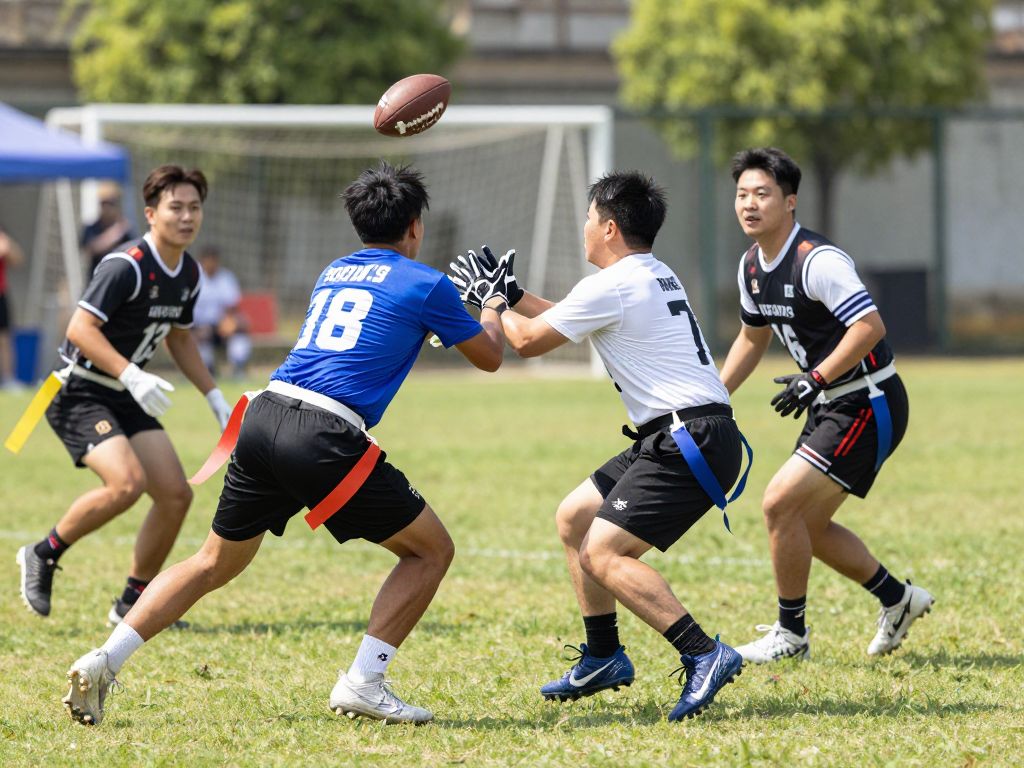
The rise of club flag football in Arizona, especially through recent matchups between Grand Canyon University and Arizona State University, prompts discussions about NCAA sanctioning. Driven by student interest and engagement, this sport shows potential for expansion into the collegiate athletic landscape. As local rivalries heat up and community support grows, the viability of flag football as an officially recognized NCAA sport becomes increasingly plausible, highlighting prospects for scholarships and competitive growth.
Phoenix, AZ — The burgeoning popularity of club flag football in Arizona, highlighted by recent matchups between Grand Canyon University (GCU) and Arizona State University (ASU), is sparking discussions about the sport’s potential elevation to NCAA-sanctioned status. This development signals a significant opportunity for growth in collegiate athletics, driven by student interest and community engagement, reflecting a grassroots initiative that could reshape the landscape of university sports across the state and nationwide.
The local rivalry between GCU and ASU in flag football showcases the enthusiasm for this accessible and dynamic version of the sport. As these university club programs flourish, the conversation shifts to whether flag football could transition from a largely club-level activity to an officially recognized NCAA sport, potentially unlocking new avenues for competition, scholarships, and athletic development for a broader base of student-athletes. This potential expansion embodies the spirit of self-reliance and competitive growth that characterizes robust athletic programs.
Flag Football’s Ascent and NCAA Ambitions
Flag football’s appeal lies in its reduced contact nature, making it accessible to a wider demographic of athletes, particularly women. The National Association of Intercollegiate Athletics (NAIA) has already recognized women’s flag football as an emerging sport, hosting championships and demonstrating a viable pathway for collegiate-level competition. This precedent strengthens the argument for NCAA consideration, showcasing the sport’s readiness for a more structured, national platform. The energy surrounding club games, such as those between GCU and ASU, underscores a growing demand for organized collegiate flag football.
Recent discussions within the NCAA have increasingly focused on emerging sports that offer significant participation opportunities and align with contemporary athletic trends. Flag football, with its lower barrier to entry and appeal to diverse athletes, fits this criterion. The establishment of successful club programs like those in Phoenix provides compelling evidence of the sport’s readiness for broader integration into the collegiate sports ecosystem. This reflects an entrepreneurial approach to athletic program development, meeting student demand with viable, competitive opportunities.
Local Rivalries Paving the Way
The spirited contests between GCU and ASU club flag football teams exemplify the organic growth of the sport at the university level in Arizona. These games not only foster healthy competition but also build community among students and supporters. The enthusiasm generated by these local matchups contributes to the broader narrative of flag football’s potential, demonstrating a built-in audience and a competitive environment that could easily scale to a sanctioned NCAA level. Such initiatives are driven by student initiative and university support, highlighting the power of local engagement in shaping future athletic endeavors.
The success of these club programs often relies on the initiative of students and the support of university recreational departments, operating outside the traditional, heavily funded varsity structures. This self-starting model underscores the resilience and passion within the student body for new athletic pursuits. The visibility of these competitive games elevates the sport’s profile, making a strong case for its viability as an official collegiate offering.
Economic and Athletic Implications for Arizona
Should flag football gain NCAA sanctioning, the implications for Phoenix, AZ, and the broader state’s athletic and economic scene could be substantial. New varsity programs would necessitate additional coaching staff, administrative support, and facilities, creating job opportunities and stimulating local economies. Tournaments and championships would draw visitors, boosting local businesses in hospitality, retail, and transportation. This kind of responsible growth in the sports sector aligns with the state’s economic development goals, leveraging existing university infrastructure for new ventures.
Furthermore, expanding athletic opportunities can attract more student-athletes to Arizona’s universities, enhancing the state’s reputation as a hub for collegiate sports. This influx of talent and academic pursuit represents a positive cycle of growth, where athletic success contributes to educational excellence and economic vitality. Investing in these emerging sports is an investment in the future workforce and community engagement of the state.
The Role of Private Investment and Community Support
The evolution of sports like flag football from club to potential NCAA status often hinges on a blend of university commitment, private investment, and robust community efforts. Financial backing from local businesses, alumni, and philanthropic organizations can provide the necessary resources for program development, facility upgrades, and travel expenses, supplementing university budgets. This private sector engagement is crucial for sustainable growth, embodying the principles of free-market support for community initiatives.
Community self-reliance also plays a pivotal role, with volunteers, local leagues, and high school programs feeding into the university club systems. This symbiotic relationship ensures a continuous pipeline of talent and interest, demonstrating a collective commitment to athletic development from the ground up. Emphasizing entrepreneurship in sports administration and private sector collaboration can accelerate the adoption and success of new collegiate sports.
Pathways to Sanctioning and Future Growth
The process for an emerging sport to become fully sanctioned by the NCAA involves demonstrating widespread interest, sufficient institutional support, and a viable competitive structure. The ongoing success of women’s flag football in the NAIA provides a clear roadmap and proof of concept for NCAA divisions. Data on participation rates, institutional sponsorship, and fan engagement from club leagues, especially in active regions like Phoenix, will be critical in this evaluation.
The growth of flag football, particularly at the club level within universities like GCU and ASU, serves as a powerful testament to its potential. It signifies a proactive response to student demand and a forward-thinking approach to expanding athletic offerings. By embracing sports that resonate with modern student interests and offer broad participation, universities can continue to foster well-rounded athletic programs that contribute positively to campus life and community pride. This forward momentum highlights the initiative and adaptability essential for sustained success in collegiate athletics.
Arizona’s vibrant collegiate sports scene, bolstered by the enthusiasm for flag football, stands at a promising juncture. The continued engagement of universities, private stakeholders, and the community will be paramount in supporting the sport’s journey toward broader recognition. The energy witnessed in local matchups between institutions like GCU and ASU is not just about competition; it’s about building a foundation for future athletic endeavors and opportunities for countless student-athletes. Phoenix AZ sports continue to evolve, demonstrating a capacity for responsible growth and innovation.
Stay connected with local university athletic departments and community sports organizations to learn how you can support the expansion of collegiate flag football and other emerging sports. Your engagement helps foster a dynamic environment for student-athletes and contributes to the vitality of Arizona athletics.
FAQ Section
What is sparking discussions about NCAA sanctioning for flag football?
The burgeoning popularity of club flag football in Arizona, including matchups between Grand Canyon University (GCU) and Arizona State University (ASU), is sparking discussions about the sport’s potential elevation to NCAA-sanctioned status.
What precedent exists for flag football becoming a collegiate sport?
The National Association of Intercollegiate Athletics (NAIA) has already recognized women’s flag football as an emerging sport and hosts championships, demonstrating a viable pathway for collegiate-level competition.
What are the potential economic implications for Arizona if flag football becomes an NCAA sport?
New varsity programs would necessitate additional coaching staff, administrative support, and facilities, creating job opportunities and stimulating local economies. Tournaments and championships would draw visitors, boosting local businesses.
What role does private investment play in the growth of new sports?
Financial backing from local businesses, alumni, and philanthropic organizations can provide necessary resources for program development, facility upgrades, and travel expenses, supplementing university budgets.
What is crucial for an emerging sport to become fully sanctioned by the NCAA?
The process involves demonstrating widespread interest, sufficient institutional support, and a viable competitive structure.
Feature Table: Collegiate Flag Football Landscape
| Aspect | Details |
|---|---|
| Current Status (NCAA) | Not yet a fully sanctioned NCAA sport. Under discussion as an emerging sport. |
| Current Status (NAIA) | Women’s Flag Football is an officially recognized emerging sport. |
| Local University Participation | Grand Canyon University (GCU) and Arizona State University (ASU) feature active club flag football programs. |
| Key Growth Drivers | Student interest, community engagement, accessibility, reduced contact nature. |
| Potential Impact on Arizona | Economic stimulus through job creation and tourism; enhanced collegiate sports reputation. |
| Support Mechanisms | University recreational departments, private investment, community efforts, student initiative. |
Deeper Dive: News & Info About This Topic
HERE Resources
Phoenix School Athletes Shine at NFL Flag Showcase
What Client Hold Up Alternative Equal Available At TTJL Gambling Casino . ca Sign Up Today
Cultivating Creativity: Art Programs Energize East Valley Youth
Growth of Girls Flag Football in Phoenix Schools