
How to Select the Best Energy-Efficient Features for Your New Phoenix Home
Building a new home in Phoenix, Arizona offers a unique opportunity to incorporate advanced energy-efficient features tailored to the local climate. Selecting the right elements not only reduces environmental impact but also translates into substantial financial savings over time. Strategic choices during construction can maximize comfort, sustainability, and long-term value. This comprehensive guide explores key features and considerations essential for optimizing energy efficiency in your Phoenix residence.
High-Performance Windows
High-performance windows are critical in a desert climate where cooling costs dominate. The right windows minimize heat transfer, directly impacting indoor temperature stability. Key features include:
- Low-E Glass Technology: Low-emissivity coatings reflect infrared and ultraviolet rays, reducing solar heat gain while allowing natural light to permeate. This technology maintains cooler interiors in summer and warmer in winter.
- Frame Materials: Vinyl and fiberglass frames provide superior insulation compared to aluminum. They resist warping and maintain energy-saving properties over decades, making them durable investments.
Choosing windows with these features can significantly decrease cooling loads, elevate comfort, and improve overall home performance. Properly installed, they localize climate control efforts and minimize strain on HVAC systems.
Solar Panel Systems
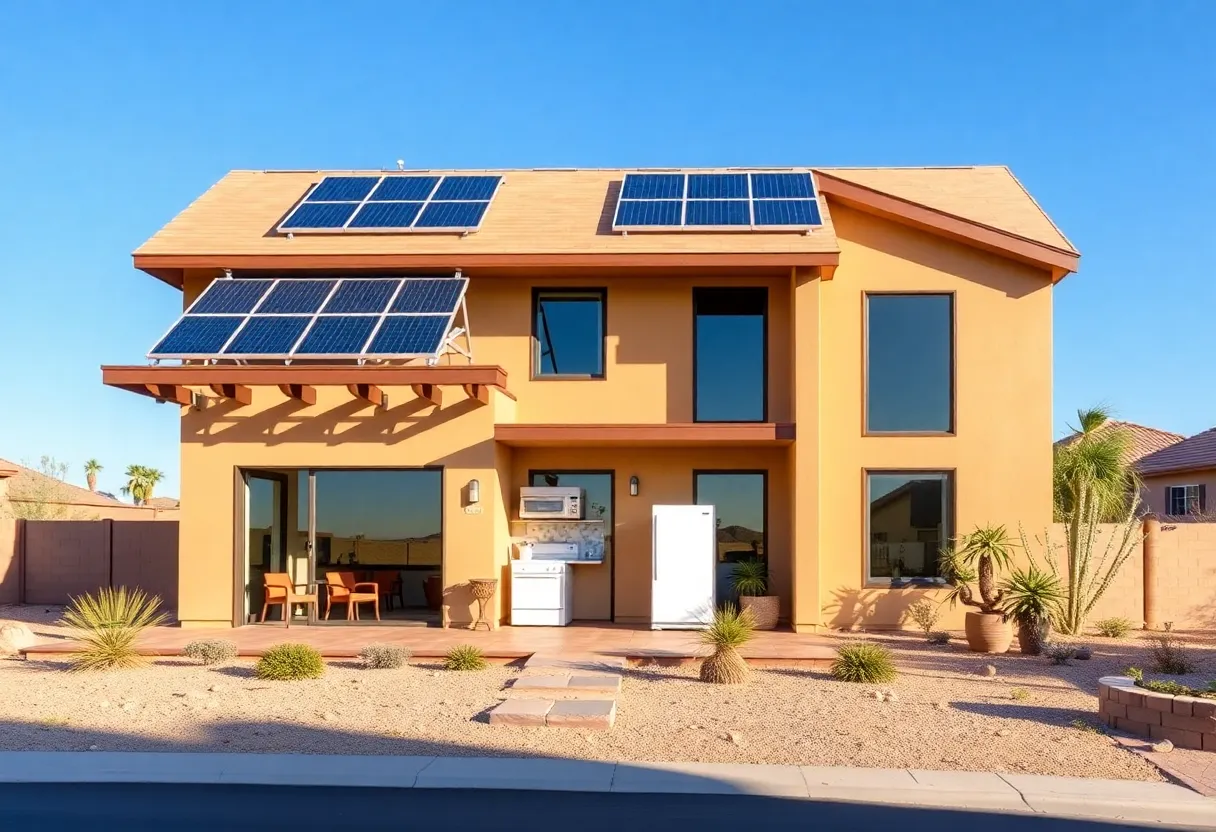
Arizona’s abundant sunshine makes solar energy an ideal choice for new homes. Incorporating a well-designed solar panel system can drastically cut energy bills and enhance eco-friendliness. Considerations include:
- System Size: Accurate assessment of your household’s energy consumption is vital. Larger systems may involve higher upfront costs but yield greater savings, especially with potential surplus energy credits.
- Incentives and Rebates: Federal tax credits, state incentives, and utility rebates can offset initial installation costs. An informed plan maximizes financial benefits and accelerates return on investment.
Advanced solar technology paired with battery storage options provides resilience during grid interruptions, further enhancing your home’s energy independence and value.
Advanced Insulation and Building Materials
Effective insulation is at the core of energy-efficient design. It reduces the workload on cooling systems and stabilizes indoor temperatures. Recommended options include:
- Spray Foam Insulation: Offers superior air sealing and thermal resistance, especially in irregularly shaped spaces. It prevents air leaks, which are common sources of energy loss.
- Reflective Roofing Materials: Light-colored or reflective roofing surfaces decrease solar heat absorption. These materials can lower attic temperatures by as much as 50%, reducing cooling needs.
Combining high-grade insulation with reflective surfaces creates a thermal barrier that maintains indoor comfort efficiently, decreasing energy consumption and extending the lifespan of HVAC equipment.
Smart Thermostats and Home Automation
Integrating smart thermostats into your home enables precise climate control tailored to daily routines. Benefits include:
- Energy Optimization: These devices learn household occupancy patterns and adjust heating and cooling schedules accordingly, reducing waste.
- Remote Management: Smartphone apps allow users to modify settings on-the-go, enhancing convenience and ensuring energy savings when away from home.
Home automation systems that centralize control over lighting, climate, and appliances streamline energy management, reduce utility bills, and improve overall home operation efficiency.
Energy-Efficient Appliances
Choosing ENERGY STAR® certified appliances ensures reduced water and electricity use. Prioritize:
- Kitchen and Laundry Appliances: Refrigerators, dishwashers, washers, and dryers with ENERGY STAR® labels offer substantial savings in daily utility consumption.
- Longevity and Cost Savings: Though often slightly more expensive initially, these appliances deliver long-term savings and decreased environmental footprint, boosting your home’s sustainability profile.
Efficient Lighting Solutions
LED lighting is the standard for energy-efficient illumination. Its advantages include:
- Low Power Consumption: Uses up to 75% less energy than incandescent bulbs, translating into lower electricity bills.
- Longevity and Durability: Long lifespan reduces replacement costs and maintenance efforts, ensuring ongoing energy efficiency benefits.
Thoughtful placement and strategic lighting design further enhance efficiency and ambiance, especially when combined with automated controls and dimming features.
Water Conservation Features
In Phoenix’s arid environment, watering efficiency directly impacts water bills and resource sustainability. Essential features include:
- Low-Flow Fixtures: Faucet aerators, showerheads, and dual-flush toilets reduce water consumption without compromising performance.
- Smart Irrigation Systems: Use weather sensors and soil moisture data to schedule watering precisely when needed, preventing over-application and runoff.
These measures conserve water and ease the strain on municipal supplies, aligning with sustainability objectives.
Strategic Home Orientation and Landscaping
Proper site planning enhances passive cooling and reduces reliance on mechanical systems. Consider:
- Shade Trees: Deciduous species planted on the south and west sides shield the house from intense afternoon sun, providing vital shade during peak hours.
- Roof Overhangs and Design: Overhangs and specific window placements block direct sunlight in summer while permitting winter sunlight for natural warmth.
Layering landscape detail with structural design achieves a cooler indoor environment naturally, decreasing HVAC use.
Home Energy Rating System (HERS) Index
Prior to the completion, get a HERS Index score. This measurement benchmarks your home’s energy efficiency, with lower scores indicating better performance. It helps identify areas for improvement and confirms compliance with energy standards, ensuring your home meets or exceeds efficiency goals.
Local Utility Programs and Incentives
Engage with utility providers offering programs that promote energy-saving upgrades. Incentives such as rebates and discounts can significantly lower costs for features like solar, insulation, and advanced HVAC systems, making eco-friendly choices more financially accessible. Staying informed about these opportunities enhances the value and sustainability of your residence.
Passive Cooling Techniques
Reduce dependence on air conditioning by employing passive measures:
- Natural Ventilation: Cross-ventilation designs promote fresh airflow, especially when windows and vents are strategically placed to maximize breeze paths.
- Thermal Mass Materials: Materials like concrete or bricks absorb and store heat during the day, releasing it when temperatures drop at night, naturally moderating indoor climate.
Energy-Efficient Roofing
Roofing choices impact solar heat absorption significantly:
- Cool Roofs: Reflective coatings and materials effectively reduce heat transfer into the attic and living spaces.
- Green Roofs: Vegetative roofs provide additional insulation layers, lower surface temperatures, and contribute to environmental benefits.
Smart Irrigation Systems
Optimized watering saves substantial quantities of water. Features such as:
- Weather Sensors: Monitor local weather to adjust schedules dynamically, avoiding unnecessary watering during rain or high humidity.
- Soil Moisture Sensors: Deliver precise watering based on real-time soil conditions, preventing overwatering and runoff.
Home Automation Integration
Centralized control of energy-efficient features through home automation enhances user experience and efficiency:
- Remote Management: Control heating, cooling, lighting, and appliances from smartphones or tablets.
- Automation Routines: Schedule operations to coincide with occupancy, reducing waste and maximizing efficiency.
Energy-Efficient Flooring Materials
Flooring impacts thermal comfort and energy use. Choose:
- Cork: Natural insulator that helps retain indoor warmth or coolness.
- Bamboo: Sustainable choice with favorable thermal properties.
Energy-Efficient Doors
Doors are critical in maintaining interior climate. Features to consider include:
- Insulated Core: Reduces heat transfer and maintains temperature consistency.
- Sealing and Weatherstripping: Prevent leaks that diminish energy savings.
Energy-Efficient Water Heating
Hot water systems influence overall energy use. Options include:
- Tankless Water Heaters: Provide on-demand hot water, eliminating standby heat loss associated with traditional tanks.
- Solar Water Heaters: Use solar thermal panels to preheat water, drastically cutting reliance on electrical or gas sources.
Energy-Efficient Home Design
Design choices can inherently improve efficiency:
- Open Floor Plans: Enhance natural light and airflow, reducing reliance on artificial lighting and mechanical cooling.
- Window Placement: Strategically located windows maximize daylighting while minimizing heat gain or loss.
Energy-Efficient Home Maintenance
Consistent upkeep ensures sustained performance:
- Cleaning Air Filters: Maintains HVAC efficiency, preventing unnecessary energy waste.
- Routine Inspection: Regular checks of seals, insulation, and appliances preserve overall system integrity and efficiency.
Adopting these practices guarantees that your investment in energy-efficient features continues to deliver benefits over the lifespan of your home.
Frequently Asked Questions
Why is energy efficiency important when building a home in Phoenix?
Energy efficiency reduces cooling and heating costs, improves comfort, and minimizes environmental impact, all vital in the hot, arid climate of Phoenix.
Which window features are best for Phoenix’s climate?
Low-E glass coatings combined with energy-efficient frames like vinyl or fiberglass offer optimal insulation and UV protection, reducing heat gain.
What role does landscaping play in energy efficiency?
Landscaping with shade trees and strategic plantings, along with roof overhangs, can block direct sunlight, lower cooling loads, and enhance passive cooling.
Are solar panels worth investing in for a new Phoenix home?
Yes, due to Arizona’s abundant sunshine, solar panels can significantly reduce energy bills, provide energy independence, and increase property value.
What are the benefits of passive cooling techniques?
Passive cooling reduces reliance on air conditioning by optimizing natural ventilation and thermal mass, leading to lower energy consumption and enhanced comfort.
Comparison of Key Energy-Efficient Features in Phoenix Homes
| Feature | Primary Benefit | Cost Range (Approx.) | Impact Level |
|---|---|---|---|
| High-Performance Windows | Reduces heat transfer, improves comfort | $300 – $1,000 per window | High |
| Solar Panel Systems | Offset energy costs, renewable energy | $10,000 – $30,000 (system-dependent) | Very High |
| Advanced Insulation | Maintains consistent indoor temperature | $1.50 – $3 per sq. ft. | High |
| Smart Thermostats | Optimizes HVAC use, saves energy | $100 – $300 | Moderate |
| LED Lighting | Lower energy bills, long lifespan | High | |
| Water-Efficient Fixtures | Reduces water bills, conserves resources | $50 – $200 per fixture | Moderate |
| Passive Design Elements | Natural cooling, energy savings | Variable | High |