

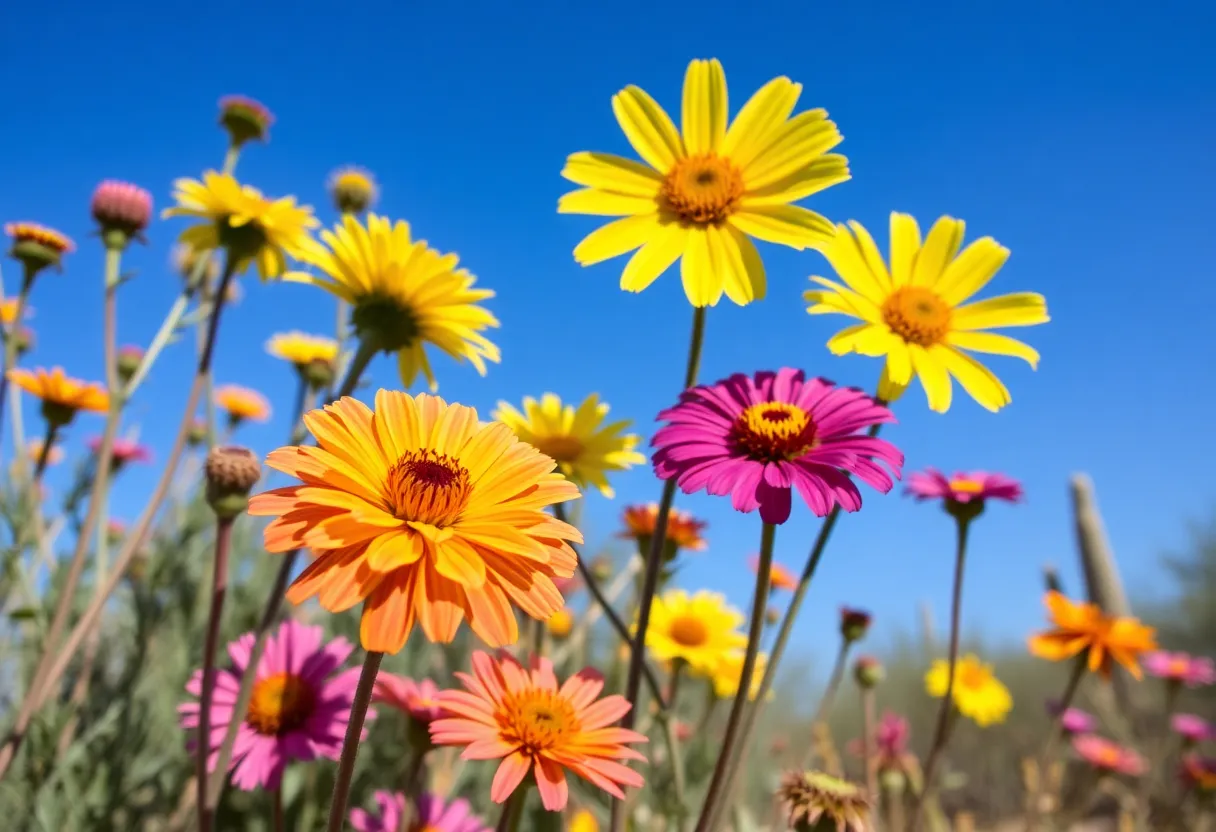
10 Best Desert Flowering Plants to Brighten Up Your Phoenix Garden
Designing a resilient and colorful garden in Phoenix requires selecting plants specifically adapted to the arid climate. With their drought tolerance and vibrant blooms, these desert-native plants combine practicality with aesthetic appeal. Below is a curated list of ten desert flowering plants that can transform your outdoor space into a lively, low-maintenance landscape suitable for the Sonoran Desert environment.
Understanding the Desert Landscape and Adaptation
Phoenix’s climate is characterized by hot, dry summers and mild winters. Native desert plants possess unique adaptations, such as water storage tissues, deep root systems, and drought-resistant foliage, enabling them to survive and thrive with minimal water. Choosing the right plants ensures sustainability, reduces water bills, and sustains local pollinators. The following selections represent species that excel in full sun, well-drained soils, and infrequent watering.
1. Desert Marigold (Baileya multiradiata)
Desert Marigold is a perennial that performs exceptionally well in full sun and well-drained soils. It features vibrant yellow flowers from March through November, making it a long-lasting focal point. The plant grows in dense clumps about 1 to 2 feet tall and wide, suitable for borders or mass plantings. Once established, it requires minimal watering and little maintenance, making it an ideal low-maintenance xeriscape option.
2. Red Yucca (Hesperaloe parviflora)
Red Yucca exhibits tall, slender spikes of tubular red or pink flowers that emerge from late spring into early fall. These blooms are a magnet for hummingbirds, providing visual interest and dynamic movement. Its robust, sword-like leaves and architectural form add structural interest to any garden setting. This plant tolerates poor soil and drought, needing only occasional watering after establishment.
3. Chuparosa (Justicia californica)
Chuparosa is a semi-succulent shrub with tubular red flowers that bloom primarily after rainfall, which makes it a vital nectar source during dry spells. It thrives in full sun and well-drained soils, requiring very little water once established. Compact and adaptable, it fits well in small gardens and containers, attracting hummingbirds and butterflies alike.
4. Desert Willow (Chilopsis linearis)
Desert Willow is a fast-growing, small tree or shrub that produces trumpet-shaped flowers in shades of pink, purple, or white. Blooming from late spring through summer, it draws hummingbirds and butterflies. Its slender, graceful form pairs well with xeriscaping principles. Tolerant of drought and poor soils, it adds a soft, elegant touch to desert landscapes.
5. Fairy Duster (Calliandra eriophylla)
Fairy Duster is recognized for its delicate, pink, powder-puff flowers that bloom intermittently from spring through summer. The flowers attract hummingbirds and butterflies, fueling pollination. Its fine-textured, airy foliage and low water needs make it suitable for a variety of garden styles, providing texture and seasonal color.
6. Desert Primrose (Oenothera primiveris)
Desert Primrose is an annual herb known for its soft pale yellow or white flowers with four petals. Blooming in early spring, it offers a gentle contrast to bolder plants. It favors full sun and well-drained soils and requires minimal watering once established. Its low-growing, spreading habit makes it a perfect ground cover or filler among larger plants.
7. Desert Star Daisy (Monoptilon bellidiforme)
Desert Star Daisy is an annual herb that grows in clusters with small white flowers. Blooming in spring, it creates a delicate, star-like appearance. It thrives in full sun and dry, well-drained soils, with minimal watering. Its low profile makes it ideal for ground cover, filling in gaps without overshadowing other drought-tolerant species.
8. Coulter’s Lupine (Lupinus sparsiflorus)
Coulter’s Lupine produces bluish-purple flowers that vary to pink or white, emerging in spring. With its bushy, low-growing habit, it provides bountiful color without the need for excessive watering. It prefers full sun and sandy, well-drained soils, fitting well into naturalistic xeriscaping designs or as underplantings.
9. Desert Chia (Salvia columbariae)
Desert Chia is an annual herb with vibrant blue to purple flowers that bloom in spring. It attracts pollinators like bees and butterflies, contributing to biodiversity. Its adaptability to dry conditions, combined with minimal watering requirements, makes it a resilient choice for ground coverage and naturalistic landscapes.
10. Additional Considerations for Desert Plant Selection
When integrating these plants into a Phoenix landscape, consider their mature size, growth habits, and bloom timing. Grouping plants with similar water needs simplifies maintenance and conserves resources. Incorporating native desert plants supports the local ecosystem, fosters pollinator activity, and reduces irrigation demands.
Conclusion
Incorporating these desert-adapted flowering plants transforms your Phoenix garden into a vibrant showcase of natural beauty. Their drought tolerance, seasonal blooms, and ecological benefits align perfectly with xeriscaping principles. By selecting these resilient species, you ensure a sustainable, colorful, and low-maintenance landscape that echoes the stunning diversity of the Sonoran Desert.
Frequently Asked Questions
Which desert plants bloom the longest in Phoenix?
Desert Marigold blooms from March through November, making it one of the longest-blooming desert plants in Phoenix, providing continuous color and attracting pollinators throughout the growing season.
Are these plants suitable for container gardening?
Yes. Many of these plants, including Chuparosa and Fairy Duster, excel in containers, allowing for flexible placement and mobility while maintaining their drought-tolerant characteristics.
How much water do these plants typically require?
Once established, most of these plants need only occasional watering, typically during extended drought or extreme heat. Overwatering can be detrimental and should be avoided to promote healthy xeriscaping.
Do these plants support local pollinators?
Absolutely. Many species such as Red Yucca, Desert Willow, and Fairy Duster provide vital nectar sources, supporting hummingbirds, butterflies, and native bees.
Key Features Comparison
| Plant Name | Bloom Period | Size | Flower Color | Pollinator Attraction | Water Needs |
|---|---|---|---|---|---|
| Desert Marigold | March–November | 1–2 ft tall/wide | Bright Yellow | Bees, Butterflies | Low |
| Red Yucca | Late Spring–Fall | up to 4 ft tall | Red/Pink | Hummingbirds | Low |
| Chuparosa | Post-Rain | 3–4 ft tall | Red | Hummingbirds, Butterflies | Very Low |
| Desert Willow | Late Spring–Summer | Small Tree/Shrub | Pink, Purple, White | Hummingbirds, Butterflies | Low |