

Phoenix, Arizona, January 19, 2026
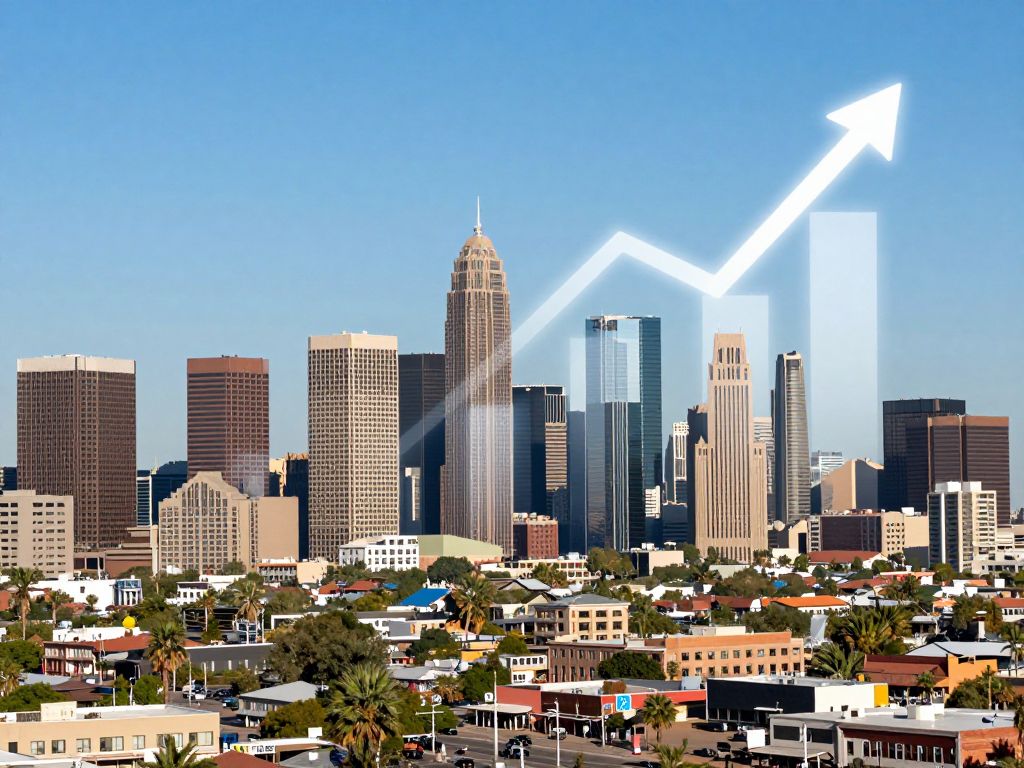
The Greater Phoenix area is experiencing a notable shift in consumer sentiment amidst its ongoing economic growth. Recent data highlights a decline in consumer confidence, particularly among lower- and middle-income groups, due to inflation and labor concerns. Despite these challenges, the region remains a hub for innovation, boasting a vibrant startup scene supported by significant venture capital investments. Small businesses in Phoenix face challenges related to rising costs, but opportunities for growth persist, particularly in AI-related industries and housing affordability.
Phoenix, Arizona
Navigating Economic Headwinds: Phoenix Metro’s Shifting Consumer Confidence
As the Greater Phoenix area continues its impressive trajectory of economic expansion, recent shifts in consumer sentiment signal a period of growing introspection among residents. While the region remains a beacon of entrepreneurial spirit and innovation, broader economic concerns are beginning to resonate across diverse income groups, prompting a closer look at the foundations of local prosperity.
Phoenix has long been celebrated as a dynamic hub for business, attracting new ventures and fostering a robust environment for growth. This resilience is a testament to the hard work of Arizona AZ entrepreneurs and the strategic advantages the state offers. However, even in a thriving locale, economic realities can prompt consumers to adjust their outlook. Understanding these evolving perspectives is crucial for sustaining the positive momentum that characterizes Phoenix AZ business development and community well-being.
The Shifting Sands of Consumer Confidence
Nationwide, consumer sentiment has experienced a noticeable downturn, with preliminary data indicating concerns about tariffs, inflation, and the labor market. This decline in optimism has been particularly pronounced among lower- and middle-income groups across the country. The University of Michigan’s Consumer Sentiment Index, a leading indicator of economic trends, reflects this cautious outlook.
In Arizona, the Arizona Business Index (ABI) serves as a comprehensive statewide survey designed to gauge the health of the economy from the perspective of the Arizona consumer. This index tracks key indicators such as public opinion on housing and automobile sales, the job market, and personal credit card debt, offering valuable insights for businesses navigating the economic landscape.
Phoenix’s Enduring Economic Resilience
Despite these broader trends, Phoenix continues to solidify its reputation as a burgeoning center for innovation. The city boasts a dynamic startup scene, particularly strong in sectors like technology, healthcare, and sustainability. Supportive ecosystems, including accelerators, incubators, and venture capital firms, play a vital role in nurturing new businesses and fostering growth.
Greater Phoenix has witnessed a significant surge in venture capital funding in recent years, outperforming other prominent markets such as Austin, Atlanta, and Miami. This investment has concentrated in key areas including software, healthcare technology systems, and commercial services. This robust private investment underscores the confidence in Arizona AZ entrepreneurs and the future of Phoenix small business innovation. Furthermore, Phoenix small business owners demonstrate resilience, with a substantial percentage reporting growth and expressing less concern over certain national economic stressors compared to their counterparts across the U.S.
Inflation and Mounting Cost Pressures
While economic growth continues, many businesses and households in the Phoenix metro area are grappling with persistent inflationary pressures. Arizona small businesses, in particular, have been disproportionately affected by inflation compared to other states. This includes a significant increase in electricity costs, rising gas prices compared to pre-pandemic averages, and climbing property values and rents, especially within the Phoenix metro area. These escalating costs can make predictable margins challenging for businesses and exert considerable strain on household budgets, contributing to a sense of economic uncertainty.
The Impact of Regulation on Economic Vitality
A critical factor influencing the economic environment is the regulatory landscape. Research at the state level indicates that increased federal regulations have been associated with a number of regressive effects in Arizona. These include an increase in the number of people living in poverty, higher income inequality, a reduction in the number of businesses annually, and a loss of jobs. Specifically, the growth of federal regulations between 1997 and 2015 was linked to 143,888 more people living in poverty and a 3.4 percent higher income inequality in Arizona. From 1997 to 2017, the effective federal regulatory burden on Arizona increased by 94 percent, correlating with a 23.5 percent increase in the state’s poverty rate. These findings highlight how a heavier regulatory burden can potentially stifle entrepreneurial activity and increase costs for businesses, ultimately affecting consumers through higher prices.
Moreover, proposed legislation has raised concerns about potentially undermining Arizona’s economic growth. Reports have identified bills that, if enacted, could impose billions in new annual costs on businesses, lead to significant job reductions, and decrease per-capita income statewide. These analyses emphasize that pro-growth policies, characterized by lower taxes, smaller government, and fewer regulations, have been instrumental in driving Arizona’s economic gains.
Looking Ahead: Opportunities for Sustained Growth
Despite current challenges, the outlook for Phoenix’s economy in 2026 remains optimistic. The national economy is anticipated to reaccelerate, with the Phoenix metro area poised to participate fully in this expansion. Key growth drivers include the ongoing expansion of AI-related industries, supported by significant investments in semiconductor manufacturing and advanced technology. The region’s talent pool, especially in engineering, design, and business development, continues to make it an attractive location for companies.
Furthermore, there are indications of improving housing affordability and softening rental prices in Phoenix, which could offer some relief to residents. The metropolitan area has grown to be the 10th largest consumer base in the country, demonstrating its substantial economic footprint. The ability of Phoenix to maintain relatively reasonable housing prices compared to other major metro areas is viewed as a positive sign for its future. These factors, combined with a persistent focus on innovation and community involvement, lay a strong foundation for continued economic growth.
Conclusion
Phoenix stands at a pivotal juncture, balancing the undeniable dynamism of its burgeoning economy with the realities of shifting consumer sentiment and rising costs. The city’s spirit of entrepreneurial innovation, coupled with the resilience of its small business community, positions it well to navigate these complexities. To ensure sustained prosperity, a vigilant focus on policies that foster a competitive business environment, limit unnecessary regulatory burdens, and encourage private investment will be essential. By supporting local businesses and engaging with community-led economic initiatives, residents can play a vital role in shaping Phoenix’s vibrant future.
Frequently Asked Questions about Phoenix’s Economic Landscape
Q: What are the primary concerns driving the drop in Nationwide consumer sentiment?
A: Nationwide, the primary concerns contributing to a drop in consumer sentiment include tariffs, inflation, and the labor market.
Q: Which income groups are most affected by the decline in consumer sentiment Nationwide?
A: The decline in consumer sentiment Nationwide is particularly pronounced among lower- and middle-income groups.
Q: How are small businesses in Arizona being impacted by current economic conditions?
A: Arizona small businesses are disproportionately impacted by inflation, with notable increases in electricity costs, gas prices, property values, and rents in the Phoenix metro area.
Q: What are the projected economic benefits for the Phoenix metro area in 2026?
A: The Phoenix metro area is expected to fully participate in an anticipated reacceleration of the national economy in 2026, driven by growth in AI-related industries.
Q: What has been the impact of federal regulations on Arizona’s economy?
A: Federal regulations in Arizona have been associated with increased poverty, higher income inequality, fewer businesses annually, and lost jobs.
Key Economic Features in Phoenix, AZ
| Feature | Description | Scope |
|---|---|---|
| Consumer Sentiment Trend | Nationwide sentiment has dropped, particularly for lower- and middle-income groups, due to tariffs, inflation, and labor market concerns. Arizona Business Index (ABI) measures statewide sentiment. | Nationwide / State-level |
| Entrepreneurial Ecosystem | Dynamic hub with strong sectors like technology, healthcare, and sustainability. Supported by accelerators, incubators, and venture capital. | Phoenix Metro |
| Venture Capital Investment | Greater Phoenix saw a surge in funding, outpacing other markets, with significant deals in software, healthcare technology, and commercial services. | Phoenix Metro |
| Small Business Challenges | Arizona small businesses face disproportionate impact from inflation, including higher electricity costs, gas prices, property values, and rents in the Phoenix metro area. | State-level / Phoenix Metro |
| Impact of Regulations | Federal regulations in Arizona are associated with increased poverty, higher income inequality, fewer businesses, and lost jobs. | State-level |
| 2026 Economic Outlook | Phoenix metro is expected to participate fully in a reaccelerating national economy, driven by growth in AI-related industries. Improving housing affordability and rental prices are anticipated. | Phoenix Metro |
Deeper Dive: News & Info About This Topic
HERE Resources
Phoenix’s Culinary Scene Welcomes Innovative Wine Destination
Phoenix’s Chip Future: TSMC’s $16B Profit & Arizona Growth
Valley Roads Blaze: Rock ‘n’ Roll Series Ignites Community Spirit
Phoenix High School Basketball Stars Poised for College Impact
Pima Women’s Basketball Team Triumphs in Overtime Win
Grand Canyon University Basketball Defeats No. 23 Utah State
Phoenix Retail Thrives: Local Innovation Defies Predictions
Phoenix’s Innovation Powerhouse: 15 Arizona Companies Setting the Standard
Paradise Valley’s Custom Estate Showcases Architectural Innovation
Phoenix’s Tech Surge: Fueling Unprecedented Economic Growth