
Phoenix, AZ, January 18, 2026
As overdose fatalities decrease nationally, Arizona confronts a growing fentanyl crisis with decisive actions, including law enforcement initiatives and community education. While U.S. overdose deaths see a decline, Arizona’s rates continue to rise, prompting state-level strategies such as the SAFE initiative and Noah’s Law to combat trafficking and provide support for addiction recovery.
Phoenix, AZ
Arizona Reinforces Fentanyl Fight as Local Overdoses Climb Amid National Drop
While the nation sees a welcome downturn in overdose fatalities, Arizona is taking decisive action to confront a rising tide of fentanyl-related deaths, demonstrating a commitment to public safety through focused enforcement and community engagement. This targeted approach underscores local leadership and civic innovation in addressing a critical challenge.
Across the United States, encouraging data indicates a significant decrease in drug overdose deaths. Provisional data from the Centers for Disease Control and Prevention (CDC) predicts a nearly 24% decline in U.S. drug overdose deaths for the 12 months ending September 2024, compared to the previous year. This translates to approximately 87,000 drug overdose deaths from October 2023 to September 2024, a notable reduction from around 114,000 in the prior year. This marks the fewest overdose deaths in any 12-month period since June 2020. In 2024, U.S. overdose deaths fell by 27% compared to 2023, representing the largest one-year decline ever recorded. Opioid overdose deaths specifically have slowed to their lowest levels nationwide since 2020. These national improvements are attributed to factors such as increased naloxone availability, expanded addiction treatment, shifts in drug use patterns, and the impact of opioid lawsuit settlements.
However, Arizona presents a stark contrast to this national trend, experiencing a concerning rise in overdose fatalities, particularly those involving fentanyl. In 2023, Arizona’s drug overdose death rate was nearly 15% higher than the national average. The state’s overdose death rate has increased in 18 of the last 24 years with available data, showing a 52% increase since 2018 and a 93% increase since 2013. These figures highlight the urgent need for robust state-level and community-led initiatives.
State-Level Initiatives and Enforcement
Arizona has responded to the escalating crisis with a multi-pronged strategy that emphasizes enforcement, border security, and public health. In 2024, the Arizona Department of Public Safety (DPS) seized $35.5 million worth of fentanyl. Governor Katie Hobbs launched the Stopping Arizona’s Fentanyl Epidemic (SAFE) initiative, a multimillion-dollar effort to combat fentanyl trafficking and human trafficking. This initiative provides $17 million in funding to law enforcement agencies to address critical challenges in Arizona’s border communities. It also includes $3 million for the Arizona National Guard to assist with fentanyl detection, $17 million for the Arizona Department of Public Safety for drug interdiction efforts, $5 million to support veterans substance abuse treatment programs, and $1 million to distribute and equip first responders with lifesaving overdose reversal medication. Task Force SAFE, a component of the SAFE Initiative, has supported the seizure of over 6 million fentanyl pills and more than 1,400 pounds of methamphetamine, cocaine, fentanyl powder, and heroin since its operations began in July 2024.
Further bolstering enforcement, “Noah’s Law,” also known as SB 1621, recently passed the Arizona Senate with bipartisan support and is now headed to the House for consideration. This legislation establishes stricter sentencing penalties for drug dealers convicted of selling narcotic drugs, such as fentanyl, if those drugs contributed to another person’s death. Under this measure, a person found guilty of knowingly transporting, importing, selling, or offering to sell a narcotic drug that led to a death may face a minimum sentence of 15 years, a presumptive sentence of 20 years, and a maximum sentence of 25 years for a class 2 felony. This builds upon Proposition 314, which Arizona voters overwhelmingly passed, creating a separate criminal classification for the sale of fentanyl and aiming to secure the border.
Community Engagement and Education in Phoenix
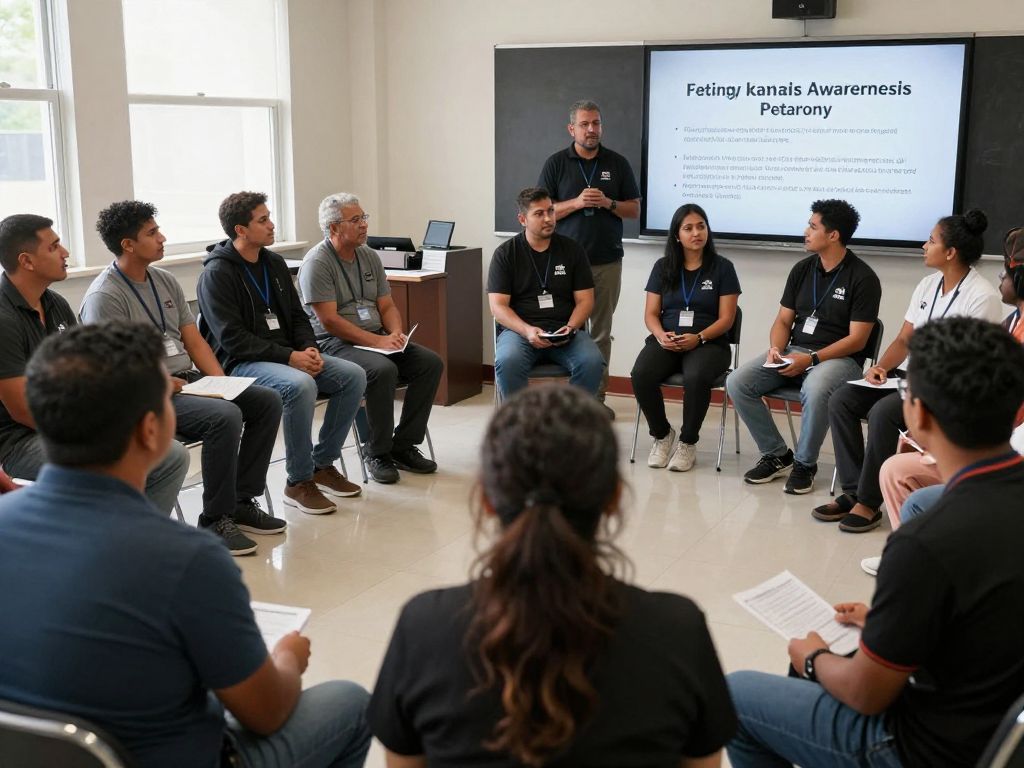
Beyond state-level enforcement, local entities in Phoenix and across Arizona are demonstrating significant civic innovation through community engagement and education. The Arizona Department of Education introduced the School Training Overdose Preparedness and Intelligence Taskforce (STOP-IT) to educate students and school staff and prevent fentanyl-related incidents statewide. This proactive measure addresses the critical issue of fentanyl overdoses among young people. Through collaborative efforts, the STOP-IT Campaign has secured 16,200 naloxone kits, enough to supply every school in Arizona, including charter and tribal schools, at no cost. The Arizona National Guard’s Drug Demand Reduction Outreach (DDRO) program facilitated the distribution of these kits to all 15 counties.
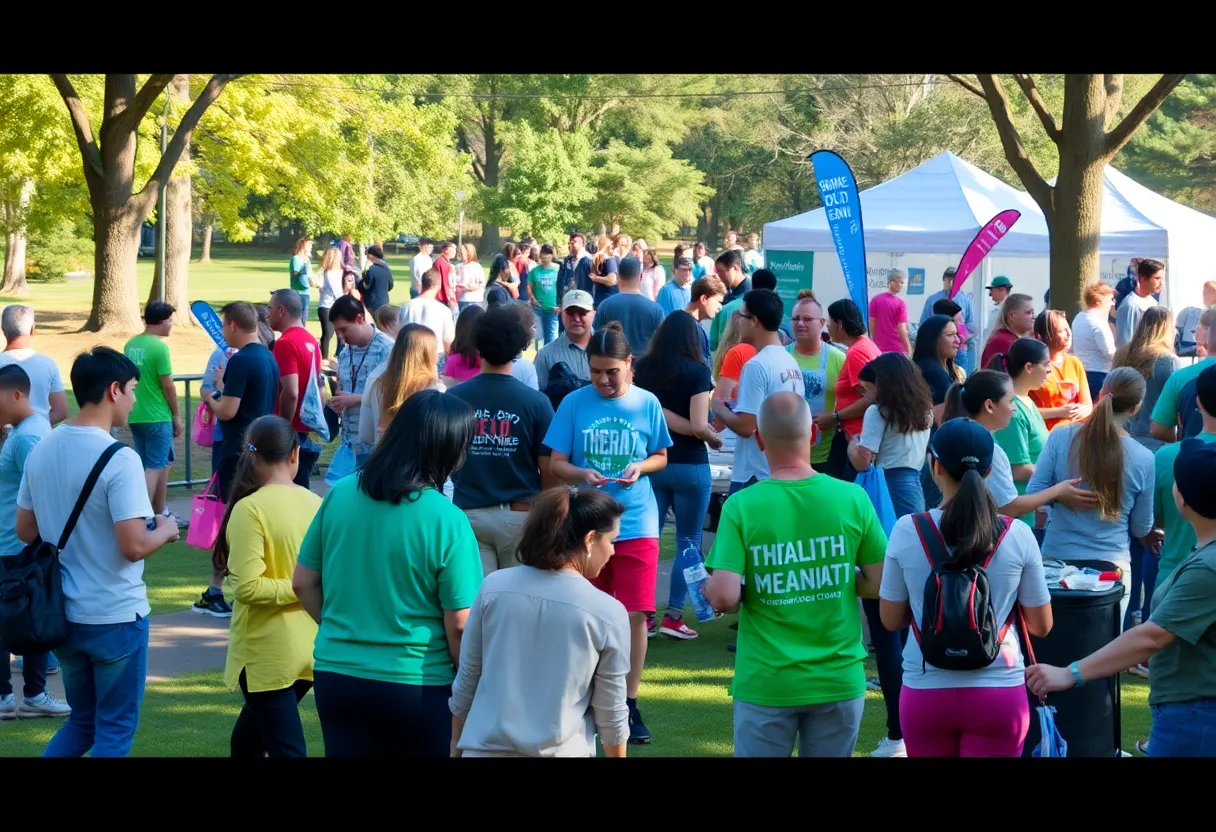
In South Phoenix, the Equality Health Foundation, in collaboration with the Maricopa County Attorney’s Office, hosts community forums, often conducted in Spanish, to raise awareness about the fentanyl and opioid crisis. These forums provide education, resources, and free Narcan to participants, emphasizing prevention, education, and treatment of opioid addiction. Such partnerships between private foundations and local government offices exemplify how focused, community-driven initiatives can effectively combat complex public health challenges.
Understanding Arizona’s Overdose Landscape
The latest data reveals the severity of the fentanyl crisis in Arizona. In 2023, there were 2,624 overdose deaths in Arizona, translating to 35 deaths per 100,000 people, marking the third-highest rate in the state since 1999. Fentanyl and other synthetic opioids were implicated in 68% of all overdose deaths in Arizona in 2023. The rates of drug overdose deaths involving fentanyl and methamphetamine in Arizona increased 50 and 38 times, respectively, between 1999 and 2023. Fentanyl has now become the deadliest drug in Arizona. In Maricopa County, fentanyl was involved in 69% of fatal overdoses in 2023, with methamphetamine involved in 60%. On average, more than three people die every day in Maricopa County due to fentanyl. The number of fentanyl cases submitted to the Maricopa County Attorney’s Office surged dramatically from 37 in 2017 to 6,629 in 2022. These statistics underscore the unique and growing challenge Arizona faces, distinct from the national trend.
Supporting Individuals and Families
Beyond law enforcement and preventative education, Arizona is also focusing on supporting individuals struggling with addiction. The Arizona Department of Health’s Naloxone Leave Behind program partners with Emergency Medical Services (EMS) and law enforcement to provide naloxone at no cost and offers online training to better respond to overdose incidents and refer individuals to treatment. This program empowers first responders to save lives directly and connect those in need with vital resources. The increase in naloxone dispensation by pharmacies by 18.5% in 2022 further highlights these proactive measures. The emphasis on accessible treatment and life-saving medication demonstrates a compassionate approach to mitigating the individual and family impact of the crisis, aligning with a belief in personal initiative toward recovery and well-being.
Conclusion
Arizona’s unwavering commitment to combating the fentanyl crisis, even as national overdose rates decline, reflects a powerful blend of decisive law enforcement action, civic innovation in education, and compassionate community support. Through initiatives like SAFE and STOP-IT, coupled with grassroots efforts by organizations like the Equality Health Foundation, the state is demonstrating how focused local leadership and private partnerships can address complex societal challenges. These actions are vital in protecting communities, empowering individuals, and fostering a safer future for all Arizonans. Staying informed and supporting local initiatives focused on prevention, education, and treatment remains crucial for community growth and well-being in Phoenix and beyond.
Frequently Asked Questions (FAQ)
Q: How has the national drug overdose death rate changed recently?
A: Provisional data from the Centers for Disease Control and Prevention (CDC) predicts a nearly 24% decline in U.S. drug overdose deaths for the 12 months ending September 2024, compared to the previous year. This is the fewest overdose deaths in any 12-month period since June 2020.
Q: Is Arizona’s overdose death rate following the national trend?
A: No, Arizona’s experience contrasts with the national trend. In 2023, Arizona had a drug overdose death rate higher than the US rate overall, nearly 15% higher. The overdose death rate in Arizona increased in 18 of the last 24 years with available data.
Q: What is the SAFE initiative in Arizona?
A: The Stopping Arizona’s Fentanyl Epidemic (SAFE) initiative is a multimillion-dollar effort launched by Governor Katie Hobbs to combat fentanyl trafficking and human trafficking. It provides $17 million in funding to law enforcement agencies for border communities, $3 million for the Arizona National Guard for fentanyl detection, $17 million for the Arizona Department of Public Safety for drug interdiction efforts, $5 million for veterans substance abuse treatment programs, and $1 million to distribute and equip first responders with lifesaving overdose reversal medication.
Q: What is “Noah’s Law”?
A: “Noah’s Law,” also known as SB 1621, is legislation that passed the Arizona Senate. It establishes stricter sentencing penalties for drug dealers who are convicted of selling a narcotic drug, such as fentanyl, if the narcotic drug sold contributed to the death of another person. It proposes a minimum sentence of 15 years, a presumptive sentence of 20 years, and a maximum sentence of 25 years for a class 2 felony.
Q: What are local Phoenix community efforts doing to address the fentanyl crisis?
A: In South Phoenix, the Equality Health Foundation, in collaboration with the Maricopa County Attorney’s Office, hosts community forums to raise awareness of the fentanyl and opioid crisis, providing education, resources, and free Narcan to participants.
Q: What is the STOP-IT Taskforce?
A: The School Training Overdose Preparedness and Intelligence Taskforce (STOP-IT) was introduced by the Arizona Department of Education to educate students and school staff and work to prevent fentanyl-related incidents statewide. This task force has secured 16,200 naloxone kits to supply every school in Arizona at no cost.
Q: How many fentanyl-related overdose deaths occurred in Arizona in 2023?
A: In 2023, there were 2,624 overdose deaths in Arizona, and fentanyl and other synthetic opioids were involved in 68% of total overdose deaths in Arizona.
Q: What percentage of drug-related deaths in Maricopa County involved fentanyl in 2023?
A: In Maricopa County, fentanyl was involved in 69% of fatal overdoses in 2023.
Key Features of Arizona’s Fentanyl Response
| Feature | Description | Scope |
|---|---|---|
| SAFE Initiative | Multi-million dollar effort to combat fentanyl trafficking and human trafficking, providing funding to law enforcement and treatment programs. | State-level |
| “Noah’s Law” (SB 1621) | Legislation establishing stricter sentencing penalties (15-25 years) for fentanyl dealers whose drugs contribute to a death. | State-level |
| STOP-IT Taskforce | Arizona Department of Education initiative providing fentanyl education and 16,200 free naloxone kits to schools statewide. | State-level |
| Equality Health Foundation Forums | Community forums in South Phoenix, in collaboration with the Maricopa County Attorney’s Office, offering education, resources, and free Narcan. | Local (Phoenix/Maricopa County) |
| Naloxone Leave Behind Program | Arizona Department of Health program equipping EMS and law enforcement with free naloxone and training. | State-level |
| Fentanyl Seizures | Arizona Department of Public Safety seized $35.5 million worth of fentanyl in 2024; Task Force SAFE seized over 6 million fentanyl pills and 1,400 pounds of other drugs since July 2024. | State-level |
Deeper Dive: News & Info About This Topic
HERE Resources
Investigation Underway After Shooting in El Mirage
Third Suspect Pleads Not Guilty in Mercedes Vega Murder Case
Phoenix Records Significant Drop in Homicides and Violent Crime
Celebrate Hanukkah in Metro Phoenix
Phoenix Strengthens Community Bonds & Security
Major Development Signals Transition for Mesa, Arizona
Fruit-Flavored Cocaine Targeting Young People in Arizona
Man Arrested in Connection With Phoenix Shooting Death
Fatal Shooting Incident in Phoenix Raises Concerns
Recent Legal Actions in Phoenix and Albany Address Criminal Offenses