

Phoenix, AZ, January 15, 2026
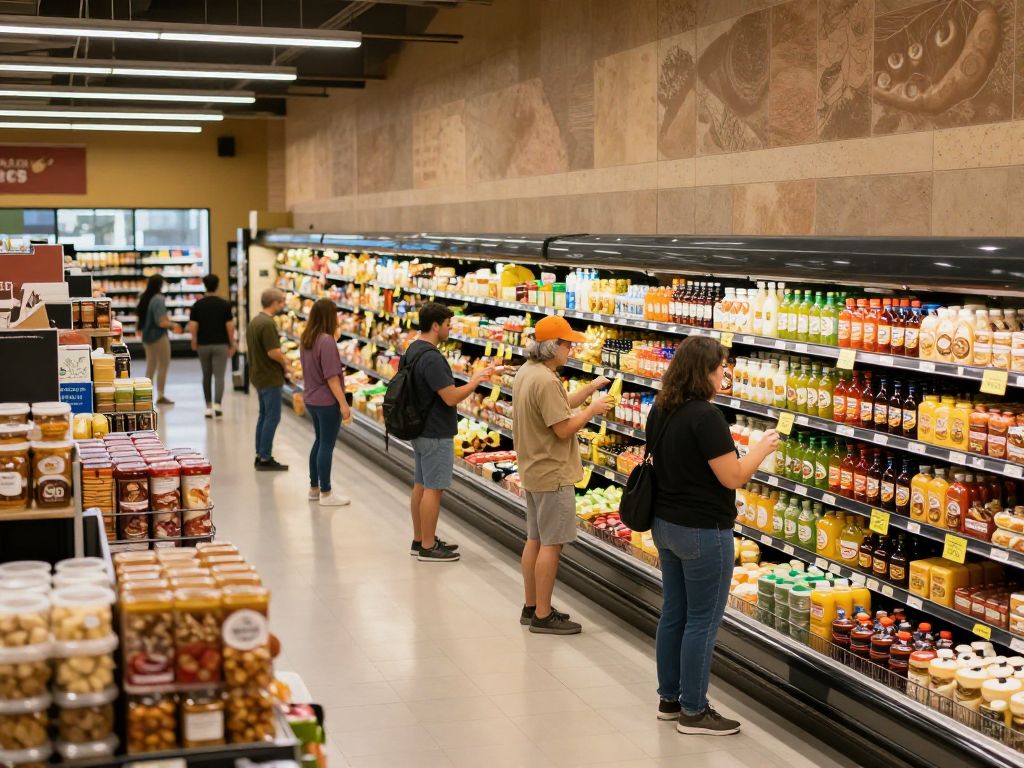
Phoenix residents are facing rising grocery prices, prompting households to reassess budgets and shopping strategies in response to changing economic conditions. While the local economy continues to grow, the increased cost of food highlights the need for financial resilience and innovative solutions. Local businesses are also adapting to these challenges, as small business operations are impacted by inflation. This article discusses the ongoing shifts in grocery pricing and what they mean for both consumers and businesses in Phoenix.
Phoenix, AZ
Phoenix Shoppers Confront Rising Grocery Costs Amidst Evolving Economic Landscape
Amidst a shifting economic environment, Phoenix residents are experiencing increased grocery prices, prompting a re-evaluation of household budgets and shopping strategies, while local businesses navigate operational challenges.
Phoenix, Arizona, has long been a hub of entrepreneurial spirit and a magnet for those seeking opportunity. However, recent trends in grocery prices are posing new considerations for families and small businesses across the Valley. While the region’s economy continues its dynamic growth, the rising cost of everyday essentials highlights the ongoing need for both personal financial resilience and innovative business approaches to maintain accessibility and affordability in the local marketplace.
The latest data indicates that Arizona consumers, particularly in the Phoenix metropolitan area, are encountering higher prices at the grocery store. This trend necessitates a closer look at the factors contributing to these increases and how the community is adapting to these evolving economic realities. Examining both the broader economic picture and localized impacts reveals a narrative of adaptation, strategic consumer choices, and ongoing efforts by organizations to support residents.
Understanding the Price Increases
The Consumer Price Index (CPI) for Phoenix-Mesa-Scottsdale showed an overall increase of 2.2 percent for the 12 months ending in December. Food prices specifically advanced by 2.3 percent over the year. Prices for food purchased at home, often referred to as grocery store purchases, saw a 3.8 percent increase, while food consumed away from home, such as at restaurants, experienced a 0.8 percent rise. This localized inflation in grocery prices has been noticeable to many residents. As of mid-November, Arizona’s grocery prices increased by 3.3% year over year.
Examining a slightly longer period, the cost of food rose by 2.7% in 2025 compared to 2024. Furthermore, between January and December 2025, specific items saw significant price hikes. Ground beef increased by 17%, and coffee by 22%. Chicken breast, potato chips, and orange juice prices also rose by more than 3% during this period. Dairy items and eggs, however, experienced some price drops.
From December 2019 to December 2024, the general price level in Phoenix rose by 26.05%. The average Phoenix area household would have spent an additional $951 per month as of February 2025, compared to what they would have spent if inflation had remained at a 2% rate. Overall inflation in the Phoenix metro area rose 1.8% year-over-year in February 2025, marking the sixth consecutive month where local inflation remained below the standard target of 2.0% annually. Nationally, food prices increased by 5.3% year over year, and have soared approximately 25% since the pandemic.
The Impact on Phoenix Businesses and Consumers
These rising costs have a tangible effect on both consumers and businesses. Small businesses in Arizona, which are vital to the local economy, have been significantly impacted. A study revealed that Arizona’s small businesses face considerable challenges with inflation, ranking last among all states in terms of impact. This is attributed to factors like electricity costs rising by 27.74%, commercial gas prices increasing by 75.83%, and property values going up by 54% between 2020 and 2024. These operational costs inevitably influence the prices consumers see at the checkout. For instance, a Phoenix restaurant implemented a surcharge on beef items due to declining cattle inventories and elevated beef prices nationwide. The U.S. Bureau of Labor Statistics data from November 2025 showed cattle inventories dropped by 2.2 percent from the previous year, marking the twelfth consecutive month of decline and pushing feedlot numbers to their lowest in eight years.
Consumers in Phoenix are responding by adopting more mindful spending habits. Many residents report feeling stressed by grocery prices, with some families making difficult choices regarding their food budgets. Some individuals are actively seeking ways to stretch their budgets, such as planning meals around sales, utilizing seasonal produce, and reducing food waste. The typical family of four is estimated to waste $56 worth of food weekly, totaling around $3,000 annually, underscoring the potential savings through strategic meal planning and portion control.
Community and Entrepreneurial Responses
Amidst these challenges, there’s a strong spirit of community support and entrepreneurial adaptation. Food banks across Arizona, including St. Mary’s Food Bank in Phoenix, continue to play a crucial role in assisting families facing food insecurity. These organizations have seen increased demand, sometimes serving a thousand families at a single location in a day. The Arizona Food Bank Network reported that grocery prices in September 2025 were more than 2.5% higher than in September of the previous year. Food banks are operating in a “disaster relief mode” to prepare for increasing numbers of people seeking assistance. In 2020, the Arizona State Budget allocated an additional $1.75 million to improve food security, with $1 million distributed to the three regional food banks. Furthermore, the state expanded its “Double-Up Food Bucks” program, providing a dollar-for-dollar match for SNAP participants purchasing Arizona-grown fruits and vegetables. The Arizona Community Foundation also increased its efforts during a government shutdown, donating hundreds of thousands of dollars to food banks and pantries throughout the state to mitigate the impact on residents. These efforts highlight the importance of community partnerships and private philanthropy in addressing local needs.
From an entrepreneurial perspective, businesses are seeking innovative ways to manage costs. This includes reassessing fixed and variable expenses, renegotiating vendor contracts, and leveraging technology for automation to improve efficiency. Strategic inventory management, such as just-in-time models and careful sales forecasting, helps reduce capital tied up in excess stock. The expansion of discount grocery chains like Aldi, which plans to open a new distribution center in Arizona and over 180 U.S. stores in the current year, reflects a market response to consumer demand for more affordable options. This expansion is driven by more families changing their shopping habits to cut costs, including switching to store brands or discount retailers.
Broader Economic Context in Arizona
Arizona’s economy is poised for acceleration, though at a slower pace than historical standards. While job growth has been modest, nominal personal income growth is projected to rise, which can help sustain consumer spending. In the Phoenix Metropolitan Statistical Area, inflation levels have moderated and have been below the national average since August 2023. The Greater Phoenix Economic Council noted that the region’s 1.6% inflation rate in 2024 was below the national rate of 2.9%, making it one of the lowest among major metros analyzed by the Bureau of Labor Statistics. This suggests a relative stabilization of overall price increases, even as certain sectors like groceries experience specific pressures.
State-level initiatives, such as the Arizona Statewide Food Action Plan, aim to increase access to healthy, affordable, and culturally appropriate food. Objectives include increasing local food production, securing funding for food distribution infrastructure, and ensuring equity in food access policies. The Arizona Department of Agriculture also actively works to reduce food insecurity, collaborating with other state departments and community organizations to address food desert issues and promote access to nutritious food.
Navigating the Future
The current landscape of rising grocery prices in Phoenix underscores a period of adjustment for both residents and businesses. While the challenges are real, the resilience of Arizona’s entrepreneurs and the strength of its community support networks offer pathways forward. By embracing innovative cost-saving strategies, supporting local food systems, and fostering collaborative solutions, Phoenix can continue to navigate these economic shifts effectively. Engaging with local businesses and community initiatives strengthens the fabric of our economy and helps ensure that essential resources remain accessible to all.
We encourage our readers to explore local farmers’ markets, support neighborhood grocery stores, and engage with community programs designed to enhance food security. Staying informed and proactive is key to maintaining a vibrant and prosperous Phoenix.
FAQ: Rising Grocery Prices in Phoenix, AZ
- What is the current rate of grocery price increase in the Phoenix area?
- The Consumer Price Index (CPI) for Phoenix-Mesa-Scottsdale showed that food prices advanced by 2.3 percent over the year for the 12 months ending in December. Prices for food purchased at home increased by 3.8 percent during this period. As of mid-November, Arizona’s grocery prices increased by 3.3% year over year.
- Which specific grocery items have seen significant price increases in Phoenix?
- Between January and December 2025, ground beef prices increased by 17%, and coffee prices rose by 22%. Chicken breast, potato chips, and orange juice also saw price increases of more than 3% during this time.
- How does overall inflation in Phoenix compare to grocery price increases?
- The overall Consumer Price Index (CPI) for Phoenix-Mesa-Scottsdale increased by 2.2 percent for the 12 months ending in December. While food prices at home increased by 3.8 percent, the broader inflation rate for all items in the Phoenix metro area was 1.8% year-over-year in February 2025, which has been below the national average since August 2023.
- How are Phoenix households coping with rising grocery costs?
- Many Phoenix residents are adopting mindful spending habits, such as planning meals around sales, utilizing seasonal produce, and actively working to reduce food waste. Some families are also making difficult choices to manage their food budgets.
- What support is available for families struggling with food insecurity in Arizona?
- Food banks across Arizona, including St. Mary’s Food Bank in Phoenix, are providing assistance to families facing food insecurity. The Arizona State Budget allocated funds to regional food banks, and the state’s “Double-Up Food Bucks” program offers a dollar-for-dollar match for SNAP participants purchasing Arizona-grown fruits and vegetables. The Arizona Community Foundation also provides significant support to food banks.
- How are small businesses in Arizona impacted by rising costs?
- Small businesses in Arizona face significant challenges from inflation, including electricity costs rising by 27.74%, commercial gas prices by 75.83%, and property values by 54% between 2020 and 2024. These operational increases often influence consumer prices and necessitate strategic cost-management by businesses.
Key Features of Rising Grocery Prices in Phoenix
| Feature | Detail | Scope |
|---|---|---|
| Overall Food Price Increase (Phoenix MSA, Dec 2024-Dec 2025) | 2.3% | Local |
| Food at Home Price Increase (Phoenix MSA, Dec 2024-Dec 2025) | 3.8% | Local |
| Grocery Price Increase (Arizona, Year over Year as of mid-Nov) | 3.3% | State-level |
| Ground Beef Price Increase (Jan-Dec 2025) | 17% | Nationwide |
| Coffee Price Increase (Jan-Dec 2025) | 22% | Nationwide |
| Chicken Breast, Potato Chips, Orange Juice Price Increase (Jan-Dec 2025) | >3% | Nationwide |
| Overall Price Level Increase (Phoenix, Dec 2019-Dec 2024) | 26.05% | Local |
| Average Monthly Spending Increase (Phoenix Household vs. 2% inflation, Feb 2025) | $951 | Local |
| Small Business Electricity Cost Increase (Arizona, 2020-2024) | 27.74% | State-level |
| Small Business Commercial Gas Price Increase (Arizona, 2020-2024) | 75.83% | State-level |
| Small Business Property Value Increase (Arizona, 2020-2024) | 54% | State-level |
| Cattle Inventories Decline (Nationwide, November data) | 2.2% (12th consecutive month of decline) | Nationwide |
Deeper Dive: News & Info About This Topic
HERE Resources
Explore Innovation at the Arizona International Auto Show
10 Must-Ask Questions for First-Time Buyers When Choosing Their Ideal Neighborhood
10 Essential Strategies for Finding the Right Neighborhood for Your First Home
10 Must-Know Tips for Understanding Neighborhood Amenities Before Buying Your First Home
Aldi Plans Major Expansion with 225 New Stores in 2025
Arizona Minimum Wage Set to Increase to $15.15 in 2026
Metro Phoenix Celebrates Hispanic Heritage Month with Events
Arizona Bill Aims to Ban Digital Price Tags in Grocery Stores
Arizona Faces Economic Fallout from New Tomato Tariff
Arizona Senator Urges Kroger to Address Customer Overcharges