
News Summary
As the academic semester reaches its end, the University of Arizona has reported a significant rise in alcohol-related emergency calls. Factors contributing to this trend include finals stress and an increase in social events. This situation emphasizes the need for enhanced health education and student support systems promoting safety and responsible decision-making on campus. The university has implemented various initiatives to mitigate alcohol-related harm and encourages students to prioritize their well-being while fostering a positive campus environment.
Phoenix, AZ — The University of Arizona (UA) in Tucson has reported a noticeable increase in alcohol-related emergency calls as the academic semester draws to a close. This trend highlights the ongoing commitment of Arizona’s higher education institutions to student well-being, emphasizing both academic excellence and the importance of personal responsibility in campus life. The rise in calls underscores the critical need for proactive health education and robust support systems that foster a safe and disciplined learning environment for all students.
University first responders have observed that alcohol-related intoxication consistently represents a prevalent category of emergency calls throughout the year. The late-semester surge is often linked to a combination of factors, including the heightened stress of final examinations and an increase in celebratory activities. Understanding these patterns is vital for promoting a culture where students prioritize their health and safety while engaging in university experiences, thereby contributing positively to the wider Arizona community.
Late-Semester Trends in Emergency Response
The University of Arizona’s first responders have noted a distinct late-semester rise in alcohol-related emergencies. This period, characterized by a confluence of academic pressures and end-of-semester social events, presents unique challenges for student health and safety. While alcohol-related intoxication is a common type of call for UA Emergency Medical Services (UAEMS) throughout the year, the intensified activity towards the semester’s end prompts increased vigilance and outreach efforts.
Recent data from the University of Arizona’s annual security and fire safety report indicates a significant increase in liquor law arrests. In 2024, the university reported 116 liquor law arrests involving both on- and off-campus incidents, a rise from 58 arrests in 2023. Conversely, liquor law disciplinary referrals saw a slight decrease, from 706 in 2023 to 635 in 2024. These figures underscore the dynamic nature of alcohol-related incidents within the university community and the continuous efforts to address them.
Contributing Factors and Community Observations
The late-semester increase in alcohol-related emergencies is attributed to several interconnected factors. First responders suggest that finals stress, coupled with a surge of end-of-semester activities and associated heavy drinking, plays a significant role. Students may be more susceptible to overconsumption when dehydrated, have not eaten adequately, or misjudge the amount of alcohol consumed.
Beyond campus, officials with the Tucson Fire Department also report a seasonal rise in calls involving intoxication, injuries from falls, and instances where students combine alcohol with energy drinks or other substances. These observations highlight a broader community impact that extends beyond the immediate university perimeter, affecting local emergency services and emphasizing the shared responsibility in fostering a safer environment for young adults.
University Initiatives and Supportive Protocols
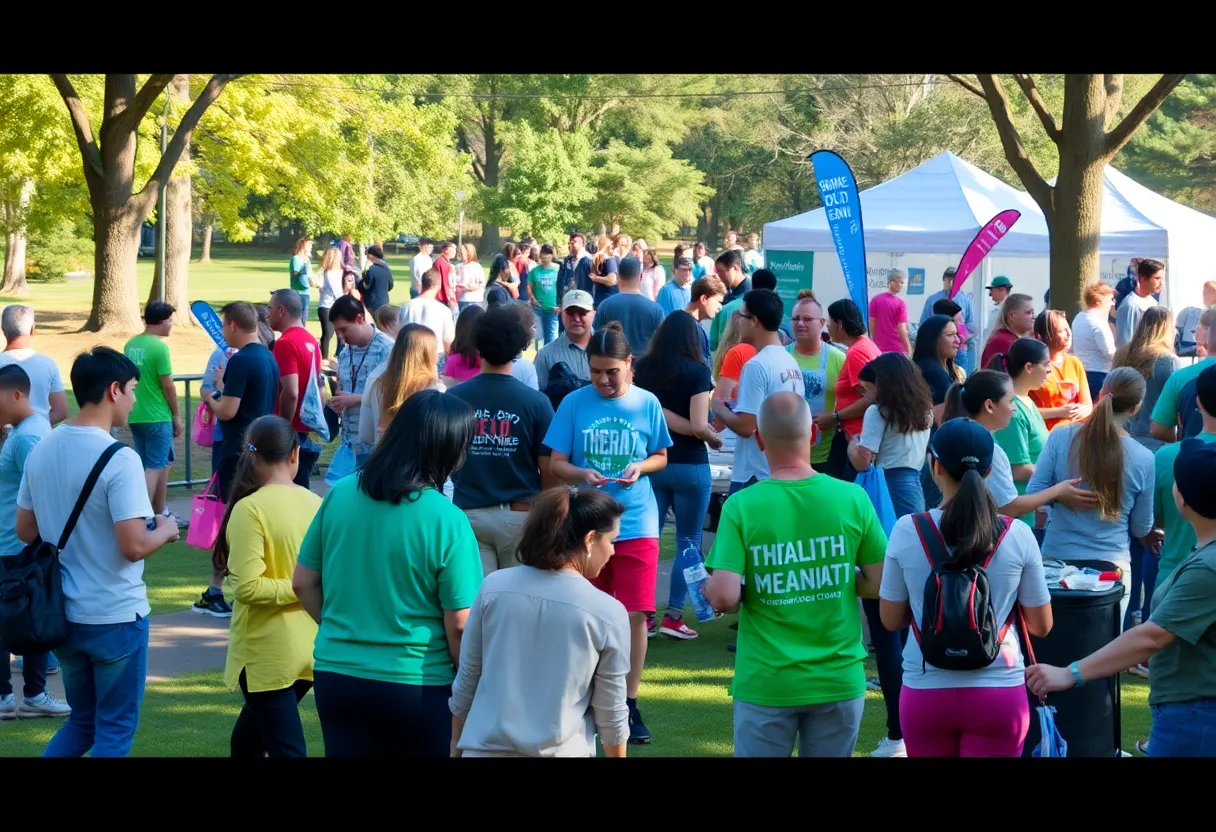
The University of Arizona actively implements various programs and protocols aimed at mitigating alcohol-related harm and promoting responsible decision-making. UA Police (UAPD) and UAEMS conduct outreach events, such as fairs on the UA Mall, where students can experience firsthand how alcohol impairs coordination and depth perception through the use of “beer goggles”. UAPD also increases patrols both on and near campus as part of enhanced end-of-semester safety efforts.
A significant concern among emergency responders is that students sometimes delay seeking medical help for themselves or their peers due to fear of disciplinary action. To counteract this, the University of Arizona strongly advocates for its Good Samaritan Protocol. This protocol, aligned with Arizona’s state-level Good Samaritan Law, protects individuals who call 911 for alcohol-related medical emergencies from university disciplinary sanctions related to alcohol, other drug, and hazing policies, encouraging timely intervention in potentially life-threatening situations. Campus Health also offers the Student Health Alcohol & Drug Education (SHADE) program, which provides classes on estimating standard drinks, calculating blood alcohol concentration, and understanding the impact of alcohol on academic performance and relationships. Other health promotion efforts include “The Buzz” interactive prevention program, “The Red Cup Q&A” education, social norms media campaigns, and specific programming for Greek students.
Broader Wellness Frameworks and Historical Progress
The University of Arizona’s efforts are supported by a broader commitment from the Arizona Board of Regents (ABOR) to prioritize student well-being and mental health across the state’s public universities. ABOR expanded its Student Food and Housing Workgroup to address mental health more comprehensively and has included Arizona in the Student Mental Health and Wellness Learning Community, a collaborative project focused on enhancing student support systems. These state-level initiatives demonstrate a dedication to holistic student development, recognizing that academic success is interconnected with physical and mental health.
Historically, the University of Arizona has seen positive trends in reducing alcohol consumption among its students. Data from the UA Campus Health Service’s Health & Wellness Surveys indicate a 43 percent decrease in the average number of drinks consumed per week by students between 2002 and 2011. Furthermore, alcohol use in the past 30 days has decreased among all students, with a 20 percent decrease among those under 21 since 2005. While consumption trends have generally improved, challenges persist, with nearly 18.8 percent of UA students reporting missing classes due to alcohol consumption within a 30-day period in a 2011 survey. National studies also highlight the significant impact of alcohol misuse, with approximately one in six campus-based ambulance runs nationally associated with alcohol use, and over half of U.S. college students experiencing alcohol-related harms caused by others.
Cultivating Personal Responsibility and Community Impact
The recurring late-semester increase in alcohol-related emergencies at the University of Arizona underscores the continuous importance of promoting personal responsibility and informed decision-making among students. Universities are not just centers of academic learning but also communities that cultivate leadership, discipline, and a strong sense of civic duty. Encouraging students to understand the risks associated with excessive alcohol consumption, to utilize available support systems, and to act as responsible bystanders are fundamental to nurturing a vibrant and safe campus environment.
The collaborative efforts between university departments, student organizations, and local emergency services demonstrate a unified approach to student welfare. By emphasizing the importance of seeking help without fear of reprisal, and by offering comprehensive educational and wellness resources, the University of Arizona exemplifies how higher education institutions can champion academic freedom while instilling the values of self-care and community impact.
The observed trends at the University of Arizona serve as a reminder for all students in Arizona’s higher education system to approach the end of the semester with a focus on well-being and responsible choices. Readers are encouraged to explore the various health and wellness programs offered by their respective institutions and to stay informed about campus safety initiatives that contribute to a supportive and thriving college community.
Summary of Alcohol-Related Incidents at University of Arizona
| Category | 2023 Data | 2024 Data | Trend |
|---|---|---|---|
| Liquor Law Arrests (On- and Off-Campus) | 58 | 116 | Increased by 100% |
| Liquor Law Disciplinary Referrals | 706 | 635 | Decreased by 10% |
Frequently Asked Questions (FAQ)
Q: What trend has been observed regarding alcohol-related emergencies at the University of Arizona?
A: University of Arizona first responders have reported a late-semester rise in alcohol-related emergencies.
Q: What are the primary factors contributing to this late-semester rise in calls?
A: First responders indicate that finals stress, celebrations, and heavy drinking are key contributing factors to the late-semester rise in alcohol-related emergency calls.
Q: What kind of support does the University of Arizona offer for students regarding alcohol use?
A: The University of Arizona provides the Student Health Alcohol & Drug Education (SHADE) program for students in violation of alcohol policies, which teaches about calculating blood alcohol concentration and planning consumption. Campus Health also offers various health promotion initiatives such as “The Buzz,” “The Red Cup Q&A,” and social norms media campaigns, alongside counseling and stress management resources.
Q: Is there any legal protection for students who call for help during an alcohol-related emergency?
A: Yes, Arizona’s Good Samaritan Law protects individuals who call 911 for alcohol-related medical emergencies from legal ramifications, including on the UA campus. The University of Arizona also has its own Good Samaritan Protocol to prevent university disciplinary sanctions for students seeking help.
Q: What has been the long-term trend in alcohol consumption among University of Arizona students?
A: Between 2002 and 2011, the average number of drinks consumed per week by University of Arizona students decreased by 43 percent. Additionally, alcohol use in the past 30 days among all students has decreased, with a 20 percent decrease for those under 21 since 2005.
Q: How is the Arizona Board of Regents involved in student well-being efforts?
A: The Arizona Board of Regents (ABOR) prioritizes student well-being and mental health, having expanded its Student Food and Housing Workgroup to address mental health. Arizona is also a participant in the Student Mental Health and Wellness Learning Community, a collaborative project aimed at enhancing student support.
Deeper Dive: News & Info About This Topic
HERE Resources
Wrong-Way Collision Injures Three Drivers in Phoenix
Truck Fire Causes Major Disruption on Loop 101 Freeway