

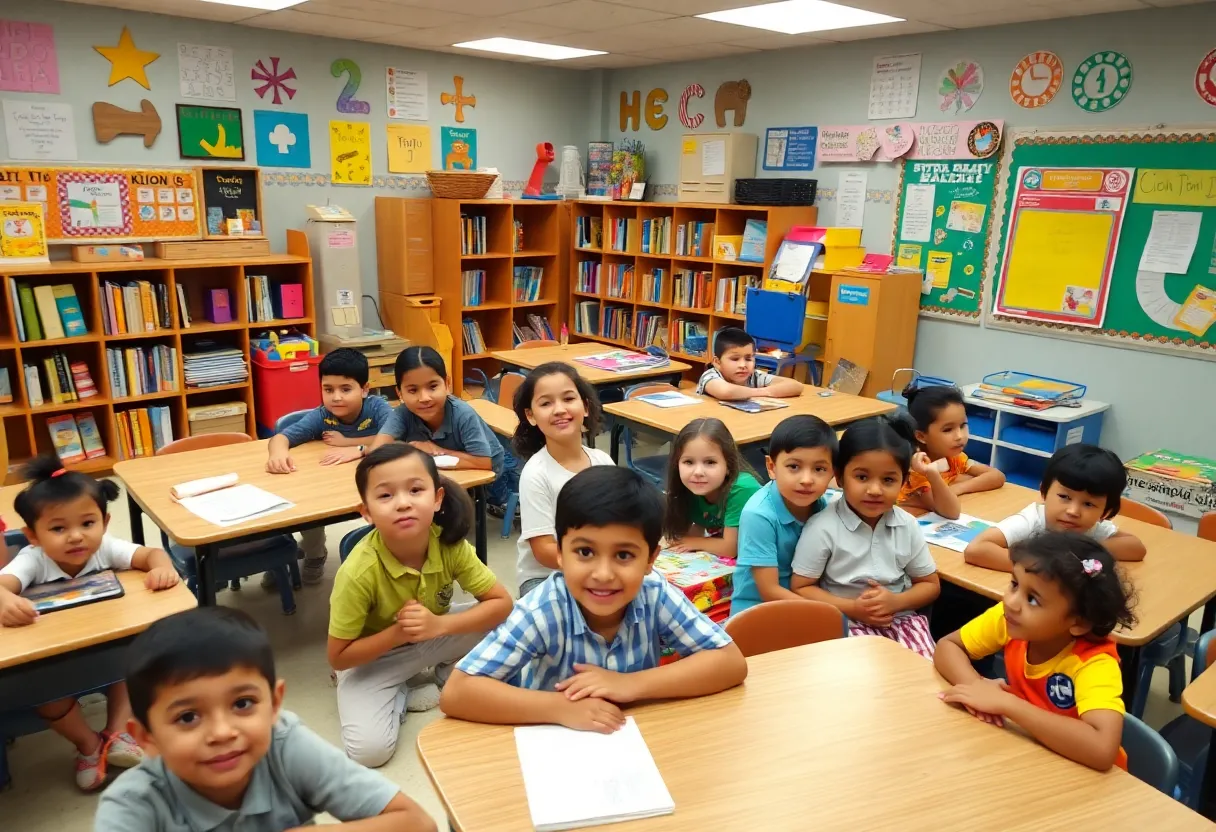
Exploring the Top-Ranked Elementary Schools in Phoenix: A Comprehensive Guide
Overview of Phoenix’s Educational Landscape
Phoenix, Arizona, features a vibrant and diverse array of elementary schools, each designed to meet varied educational needs. The city’s schools are evaluated across multiple metrics, emphasizing academic success, class sizes, extracurricular opportunities, and community involvement. These factors collectively influence rankings and provide a lens through which parents can assess potential schools for their children.
Top-Ranked Elementary Schools in Phoenix
Data-driven evaluations highlight several standout elementary schools in Phoenix that demonstrate excellence in multiple domains:
BASIS Phoenix
BASIS Phoenix is part of a national network of charter schools famed for an academically rigorous curriculum. It consistently achieves high performance metrics, with a combined math proficiency score of 83% and reading proficiency at 87%. Serving grades 5 through 12, it has a student population of 781. The school’s demographic profile indicates approximately 79% minority students, reflecting a diverse student body. The school’s rigorous standards and advanced coursework contribute significantly to its high rankings. ([publicschoolreview.com](https://www.publicschoolreview.com/arizona/phoenix/elementary?utm_source=openai))
Fireside Elementary School
Operating within the Paradise Valley Unified School District, Fireside Elementary offers education from pre-kindergarten through sixth grade. The school excels academically, with proficiency scores of 84% in math and 85% in reading. It maintains a student-teacher ratio of 16:1, which supports personalized instruction and engagement. Minority enrollment accounts for roughly 33%, fostering an inclusive environment that embraces multicultural perspectives. This school’s commitment to academic quality and community engagement makes it a noteworthy contender. ([publicschoolreview.com](https://www.publicschoolreview.com/arizona/phoenix/elementary?utm_source=openai))
Great Hearts Academies – Archway Chandler
This charter institution provides education starting at kindergarten up to 12th grade, emphasizing classical liberal arts and sciences. With a student count of 529, the school works toward maintaining a balanced, rigorous curriculum. Its demographic makeup includes a 55% minority enrollment. Academic achievement is reflected in proficiency scores: 86% in math and 81% in reading, indicative of its strong curriculum. The school’s focus on developing critical thinking skills makes it a prestigious option for families seeking comprehensive education. ([publicschoolreview.com](https://www.publicschoolreview.com/arizona/phoenix/elementary?utm_source=openai))
Freedom Traditional Academy
Part of the Dysart Unified School District, Freedom Traditional Academy serves grades K through 8. It emphasizes a structured, disciplined approach rooted in tradition and academic excellence. Ranked #8 among Arizona’s elementary schools, it demonstrates high performance across key metrics, including standardized test scores and community involvement. Its structured environment appeals to families valuing discipline alongside strong academic outcomes. ([dysart.org](https://dysart.org/cms/uploads/files/25/2023%20Achiever_Web.pdf?utm_source=openai))
Neely Traditional Academy
Located in Gilbert, Arizona, and part of Gilbert Public Schools, Neely Traditional Academy has a longstanding history of academic achievement since its founding in 1981. Transitioning to a traditional academy in 1999, it serves grades PreK-6. In 2024, it ranked as the 4th top elementary school in Arizona. It maintains a balanced curriculum with an emphasis on core academics, character education, and discipline. Its heritage of academic excellence and community involvement makes it highly desirable among local families. ([en.wikipedia.org](https://en.wikipedia.org/wiki/Neely_Traditional_Academy?utm_source=openai))
Factors Influencing School Rankings
School performance evaluations are shaped by several key factors:
- Academic Performance: Standardized test results in subjects like math and reading are primary indicators of school quality.
- Student-Teacher Ratio: Lower ratios often facilitate more individualized attention, enhancing learning outcomes.
- Extracurricular Activities: Availability of arts, sports, clubs, and enrichment programs supports holistic student development.
- Community and Parental Engagement: Active involvement boosts school environment, resources, and support for students.
Considerations for Parents and Guardians
When selecting an elementary school in Phoenix, it’s vital to evaluate multiple facets:
- Curriculum Alignment: Ensure the school’s academic programs match the child’s academic needs, interests, and learning style.
- School Environment: Visit campuses to observe classroom dynamics, safety measures, and overall atmosphere. A positive, inclusive culture fosters better student experiences.
- Location and Logistics: Consider proximity to home or work, transportation options, and commute times. Convenience can influence daily routines and student punctuality.
- Community Feedback: Speak with current parents, students, and staff to gather insights into the school’s strengths, challenges, and overall reputation.
Emerging Trends and Best Practices
Many top schools are increasingly integrating technology, personalized learning, and social-emotional development into their curricula. Schools focusing on diversity and inclusion are expanding extracurricular options to foster community cohesion. Arts and STEM programs are becoming more prevalent, directly supporting a well-rounded education. Furthermore, schools are emphasizing family and community partnerships, recognizing their role in student success.
Steps for Parents to Make Informed Decisions
– Research thoroughly: Review performance data, school websites, and educational philosophies.
– Visit schools: Attend open houses or schedule tours to experience the environment firsthand.
– Assess fit: Match school culture, curriculum, and values with your child’s individual needs.
– Engage with the community: Connect with current families and educators for authentic feedback.
– Review logistics: Confirm transportation options, before- and after-school programs, and schedules align with family routines.
– Stay informed: Monitor ongoing school performance and community involvement to ensure continued excellence.
Key Takeaways
Phoenix’s elementary schools offer a broad spectrum of choices. Schools like BASIS Phoenix, Fireside Elementary, and Great Hearts Academies lead in academic excellence. Traditional academies like Neely and Freedom emphasize disciplined, rigorous learning environments. When choosing, focus on a school’s academic metrics, environment, and community fit. Balancing these factors ensures a supportive, enriching educational experience tailored to each child’s needs.
Frequently Asked Questions
What are the criteria for ranking top elementary schools in Phoenix?
The rankings consider standardized test scores in math and reading, student-teacher ratios, extracurricular offerings, community involvement, and overall academic achievement.
How important is school location when choosing an elementary school?
Location influences commute time, transportation options, and convenience. Proximity can impact daily routines and accessibility, making it a significant consideration for families.
What role does extracurricular activity availability play in school rankings?
Extracurricular programs enhance student engagement, support diverse interests, and foster a well-rounded education—important aspects of school quality.
How can parents assess a school’s environment during visits?
Parents should observe classroom interactions, safety protocols, student behavior, teacher engagement, and overall atmosphere to gauge if the school fosters a positive learning environment.
Are traditional academies in Phoenix better than charter schools?
Both types offer high-quality education; the choice depends on your child’s needs, the school’s curriculum, environment, and community fit. Each has distinct benefits aligned with different educational philosophies.
Feature Comparison Chart of Top Phoenix Elementary Schools
| School Name | Type | Grades Served | Proficiency Scores (Math/Reading) | Student-Teacher Ratio | Minority Enrollment |
|---|---|---|---|---|---|
| BASIS Phoenix | Charter | 5-12 | 83% / 87% | Approximately 18:1 | 79% |
| Fireside Elementary | Public K-6 | PreK-6 | 84% / 85% | 16:1 | 33% |
| Great Hearts – Archway Chandler | Charter K-12 | K-12 | 86% / 81% | Varies, with a focus on personalized instruction | 55% |
| Freedom Traditional Academy | Public K-8 | K-8 | High Performance | Varies | Data not specified |
| Neely Traditional Academy | Public PreK-6 | PreK-6 | High (Ranked #4) | Focus on discipline and core academics | Data not specified |